Painter’s Story
general
Main responsibilities In Painter’s Story included:
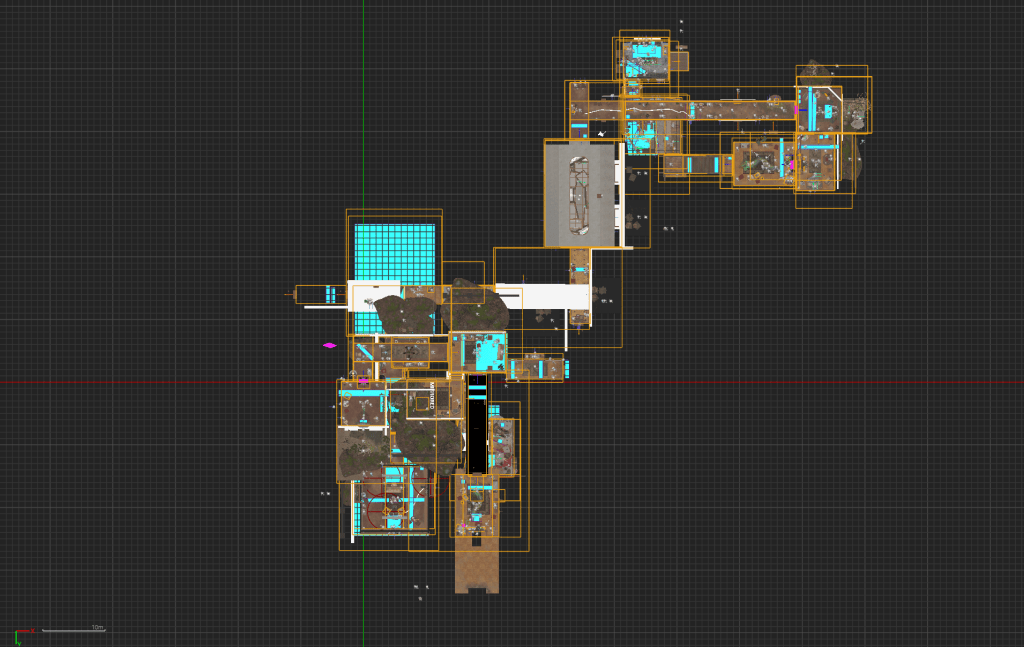
- creating baseline levels based on rooms reused from the original game
- creating blockouts for new rooms
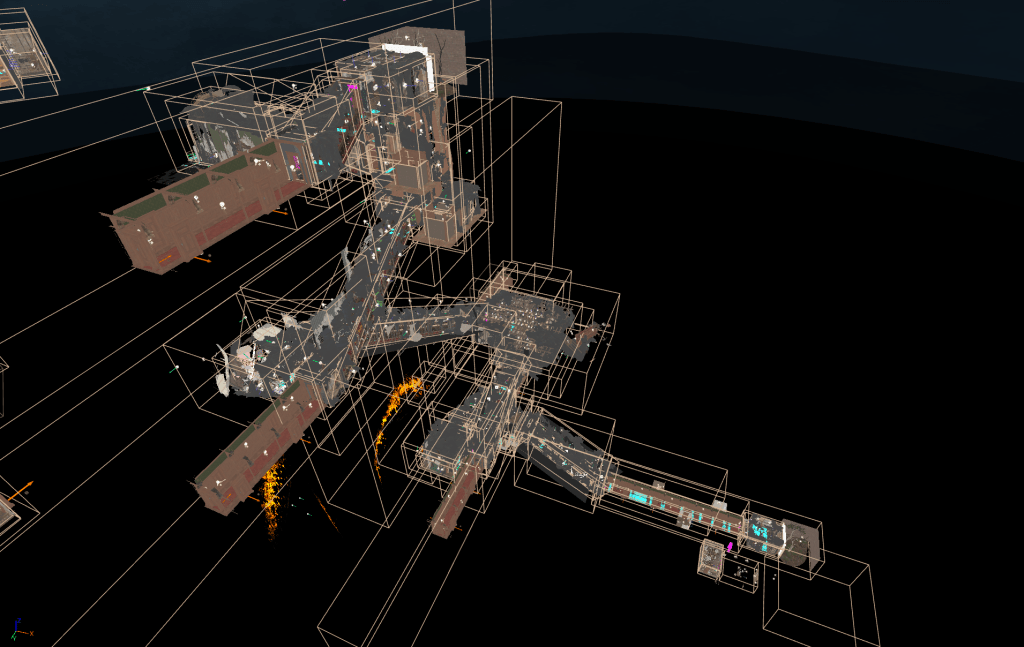
- technical level setup — streaming, teleports, division into sequences
- creating pacing through room arrangement and event setup according to the adopted intensity curve (two intensity peaks across the level)
- scripting level logic
- scripting horror events
- creating puzzles
- setting up choices and variables that affect the ending
- environmental storytelling
- bug fixing
Chapter 5
One of my first tasks on Layers of Fear was preparing the Chapter 5 baseline — establishing a new level flow based on reused rooms arranged in a new way, preparing the technical setup for streaming, and an initial setup of events and puzzles (click‑based events).
A large part of the work involved using reused rooms from LoF 2016 and changing the flow according to the agreed intensity curve — for each chapter we listed and designed events, assigned them a scariness scale, and then placed them on a timeline, trying to obtain the appropriate intensity curve with two peaks.
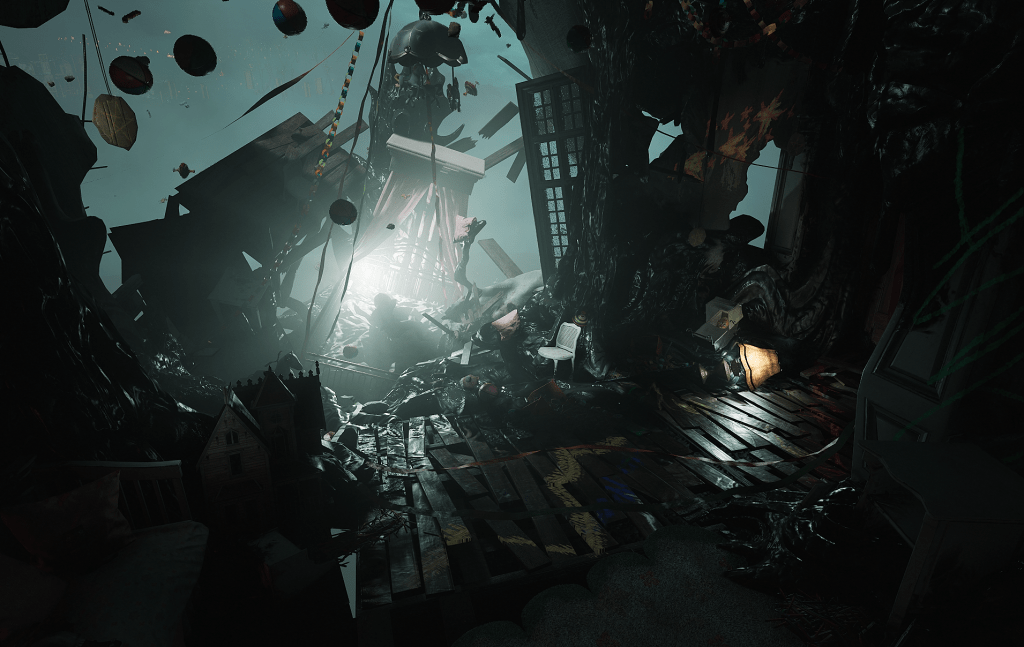
For Chapter 5 I was also responsible for iterating the final sequence — the psychedelic office section.
The implementation of events and puzzles was handled by Maciej Dąbrowski.
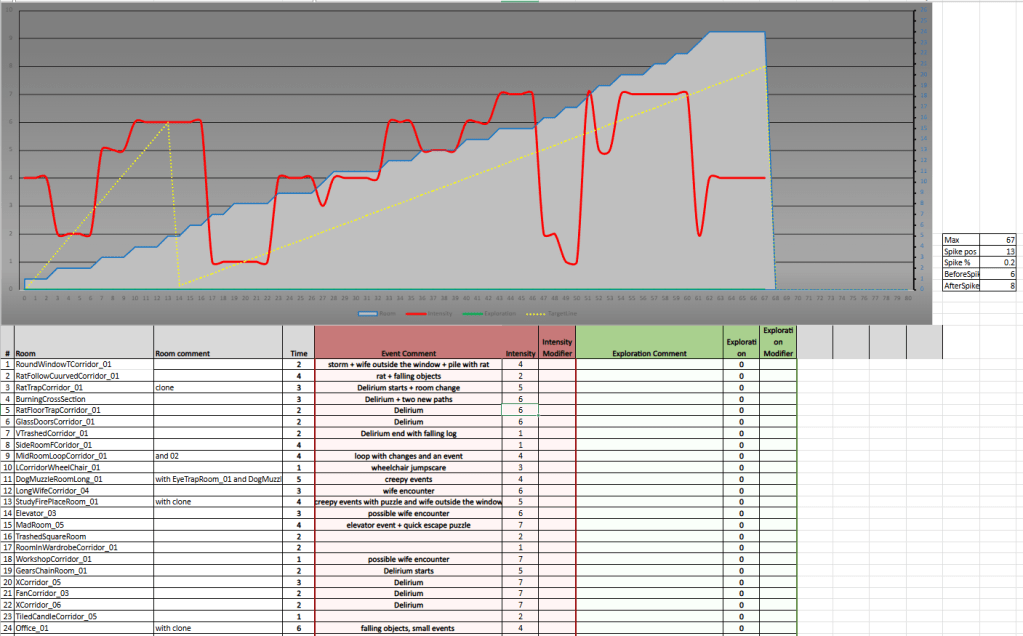
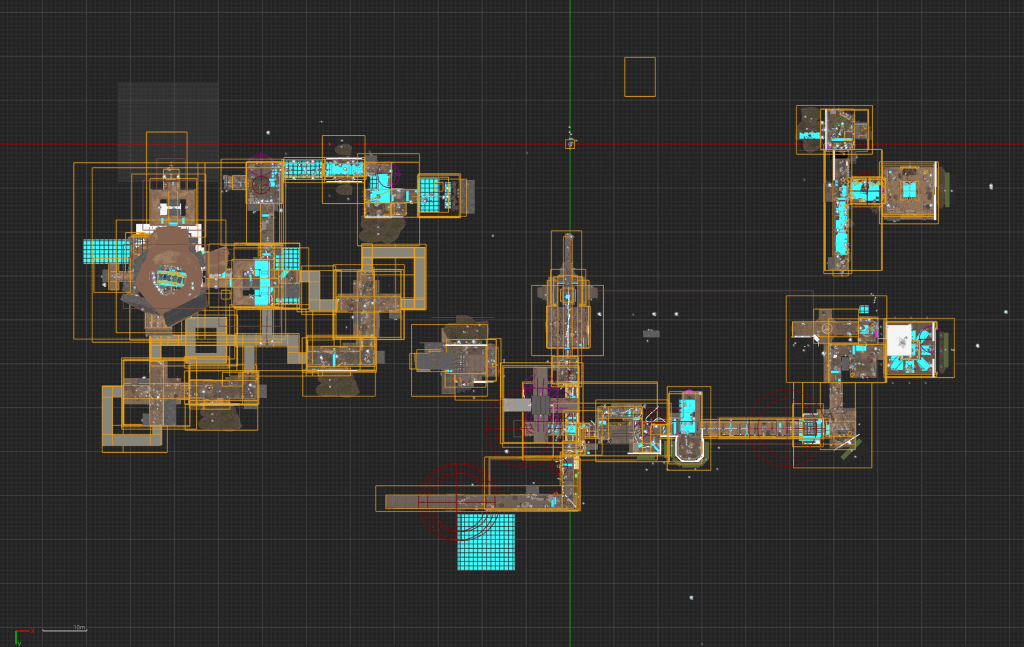
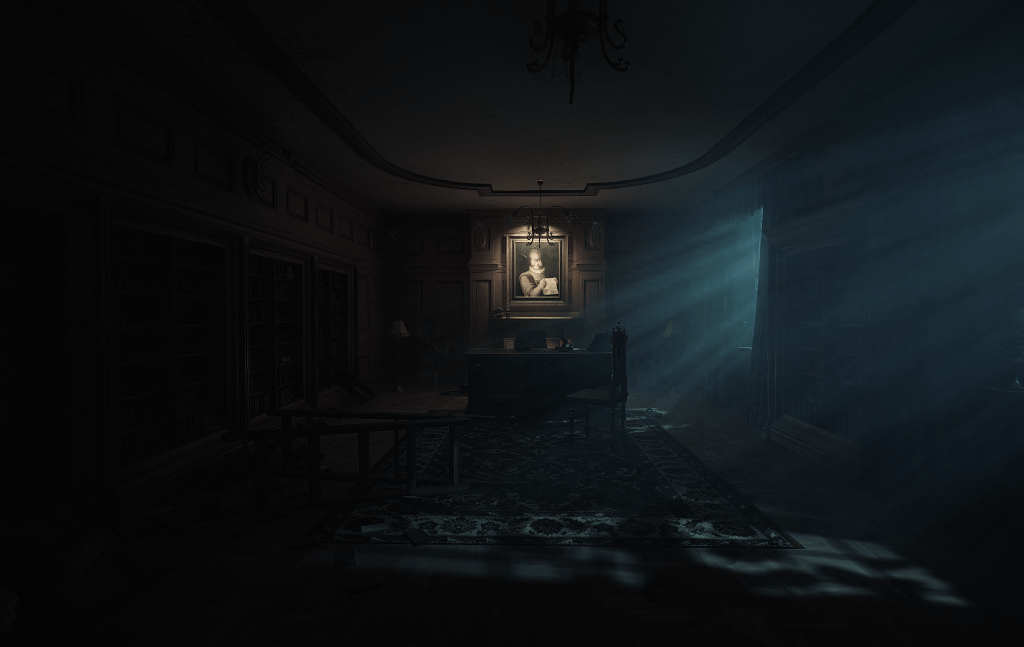
Chapter 5 final sequence
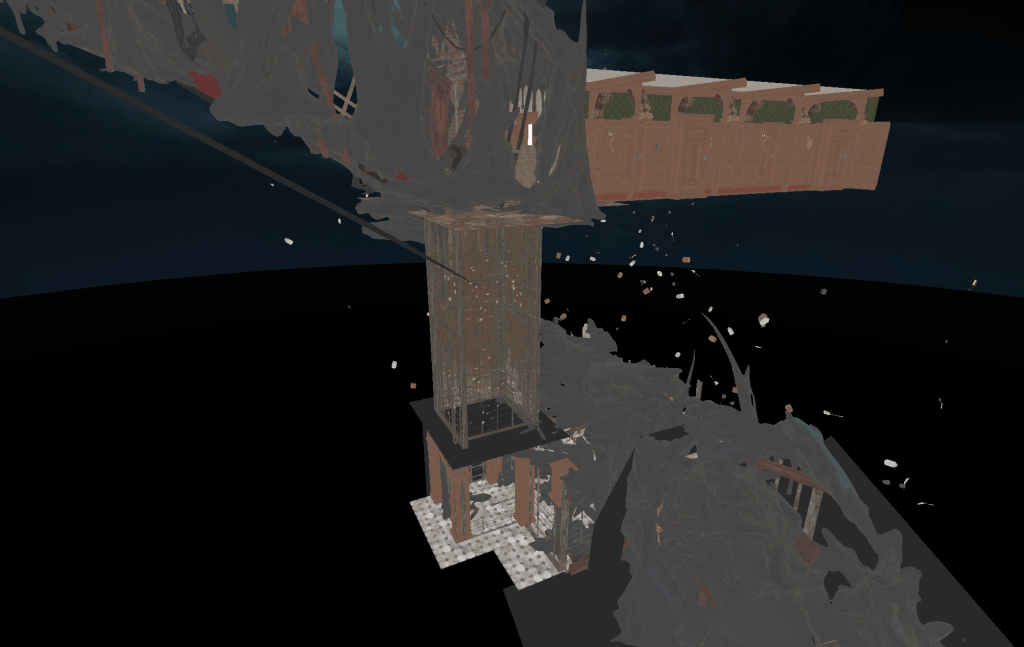
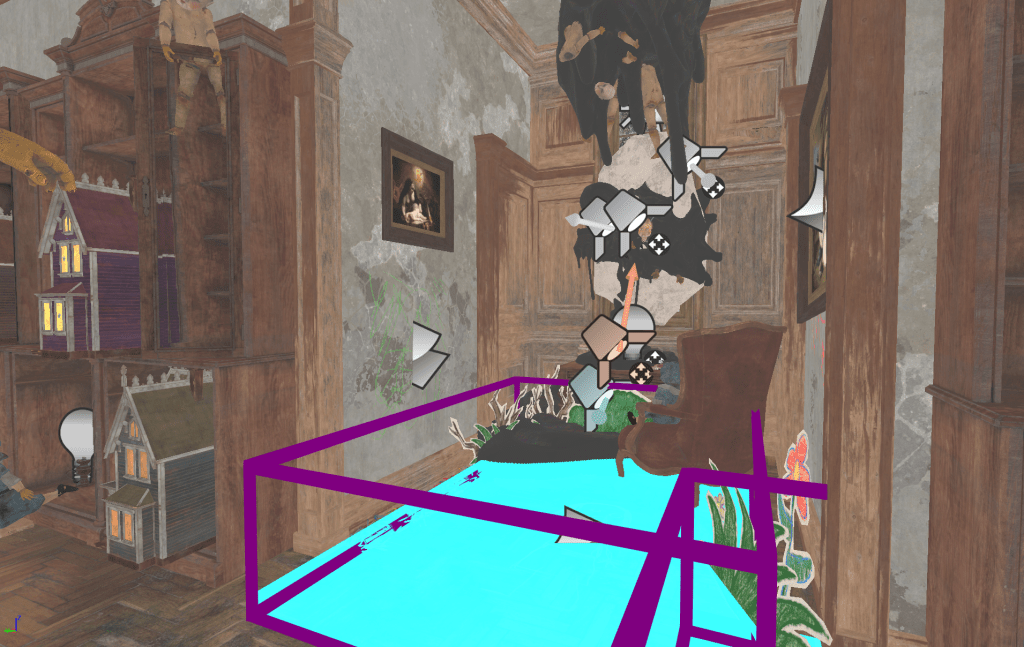
We wanted to iterate on the final sequence in Chapter 5 – make it more threatening and even more psychedelic to hit the peak in the Intensity Curve. We also wanted to add a bit more complexity and interactivity.
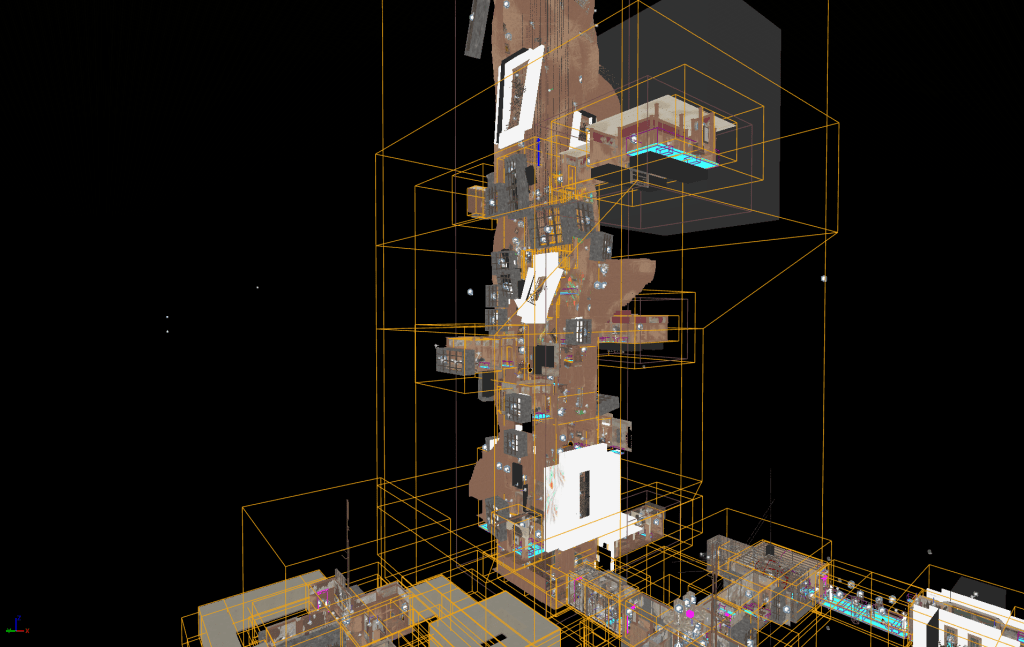
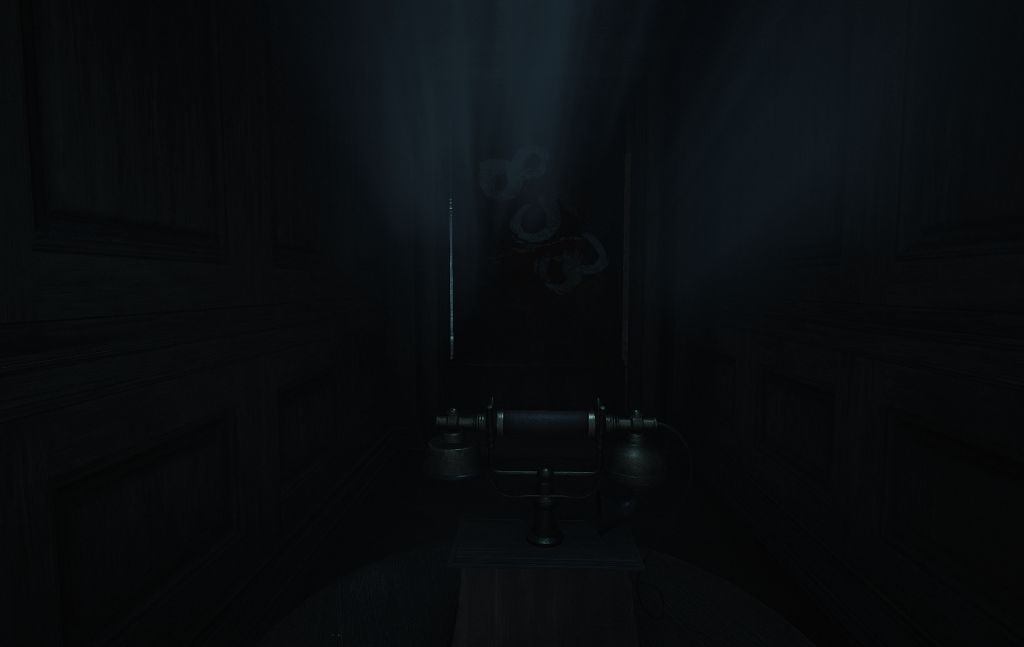
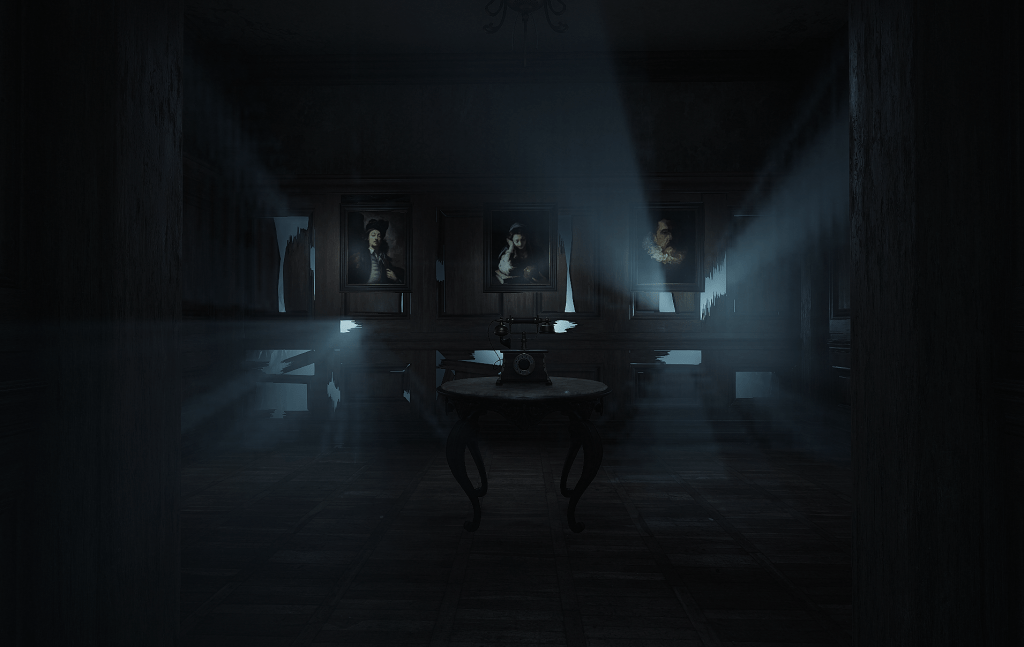
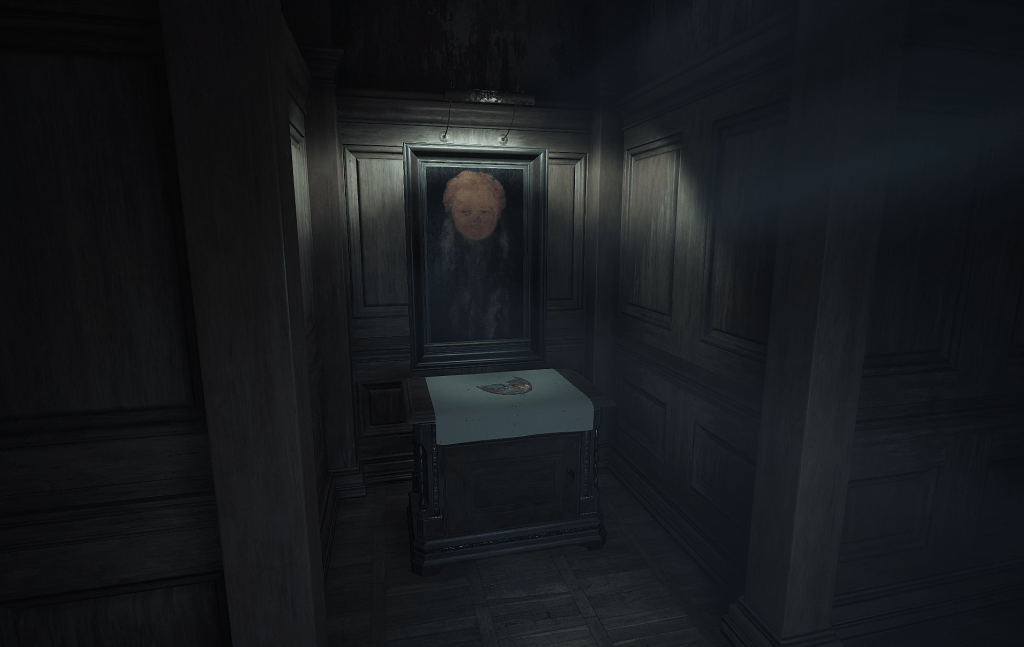
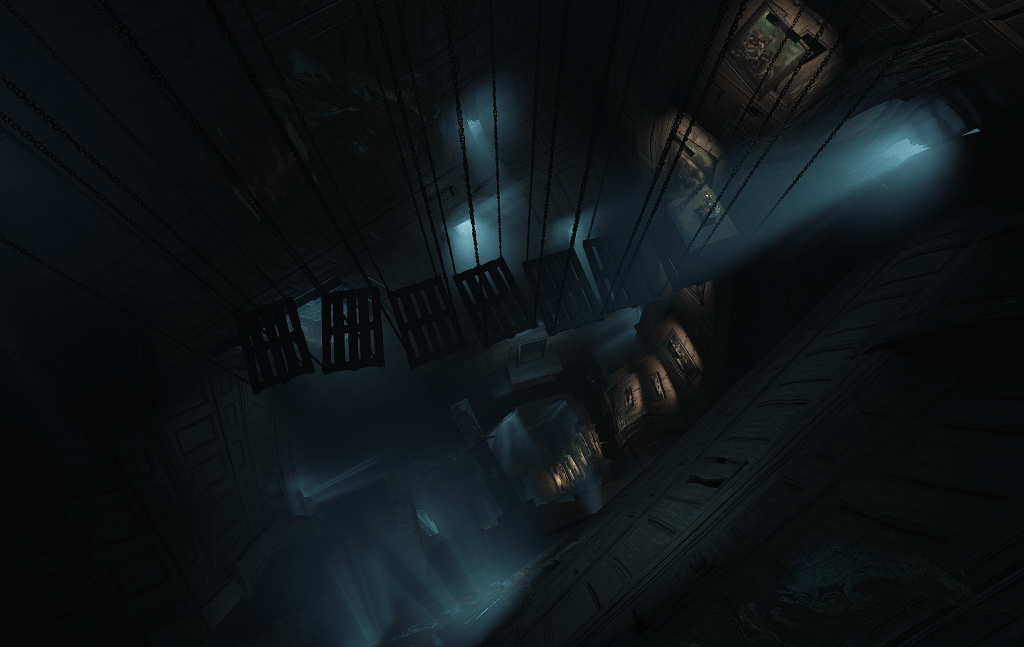
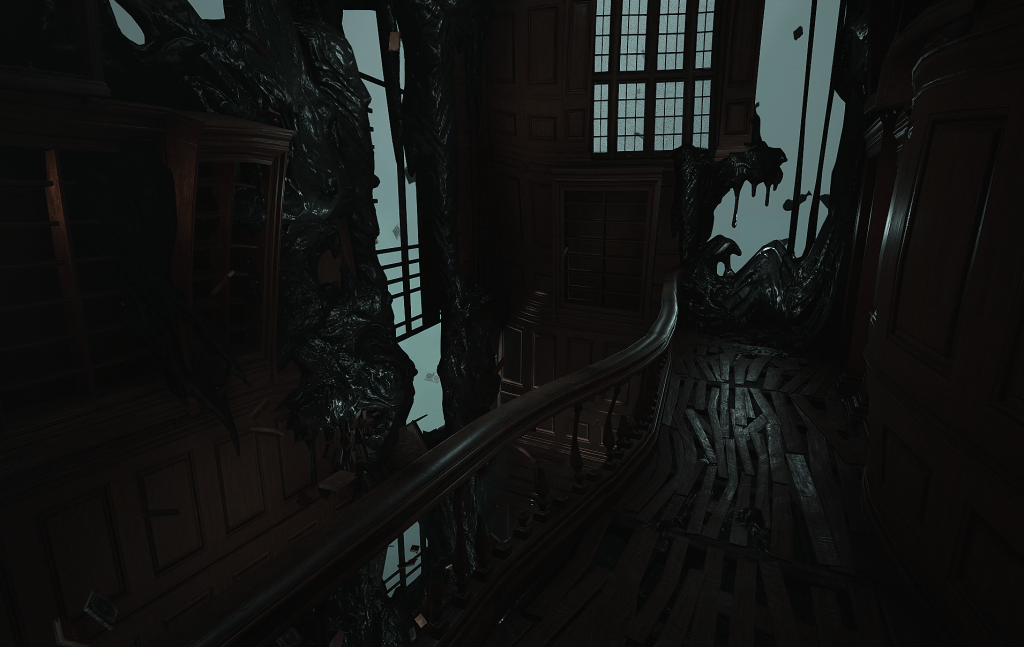
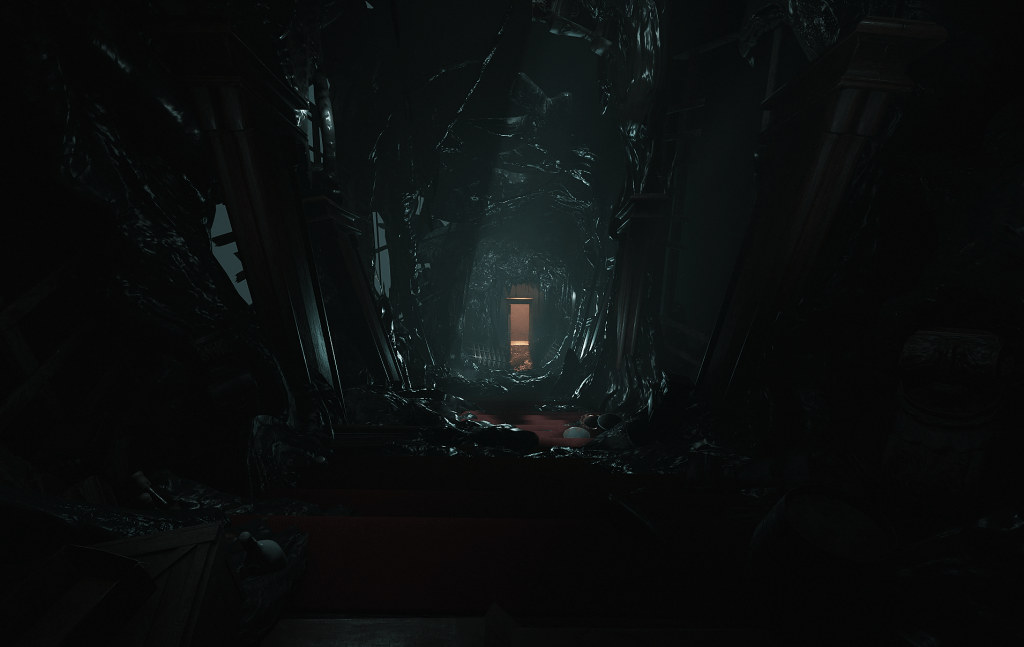
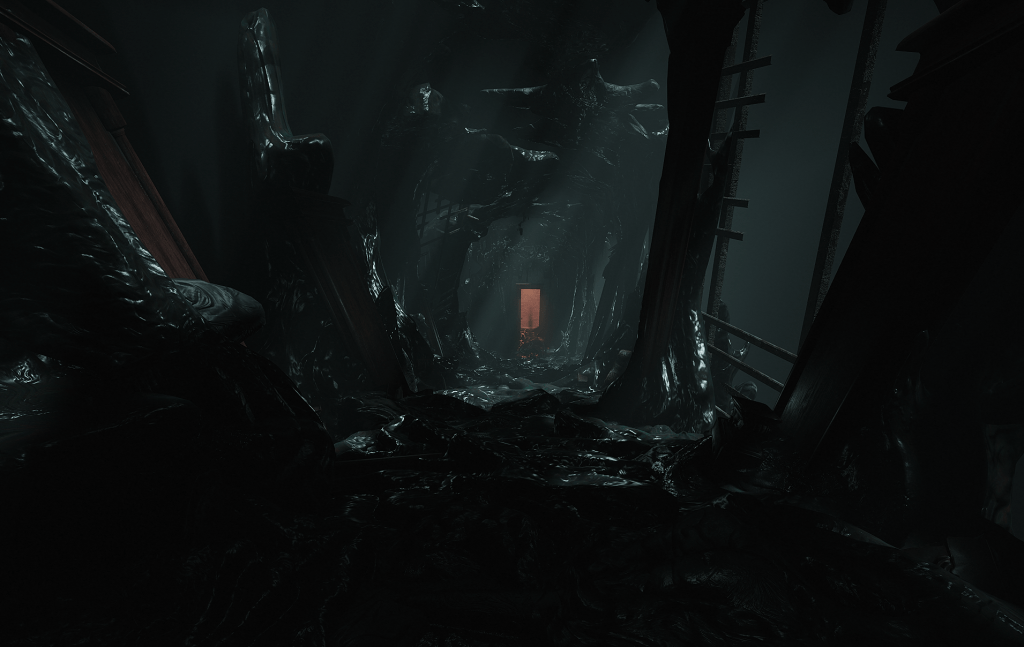
The opening mirrors the original: we open a cabinet, dial the phone number that appears on the painting, and the ceiling opens to reveal the room’s twisting, upward‑spiraling structure
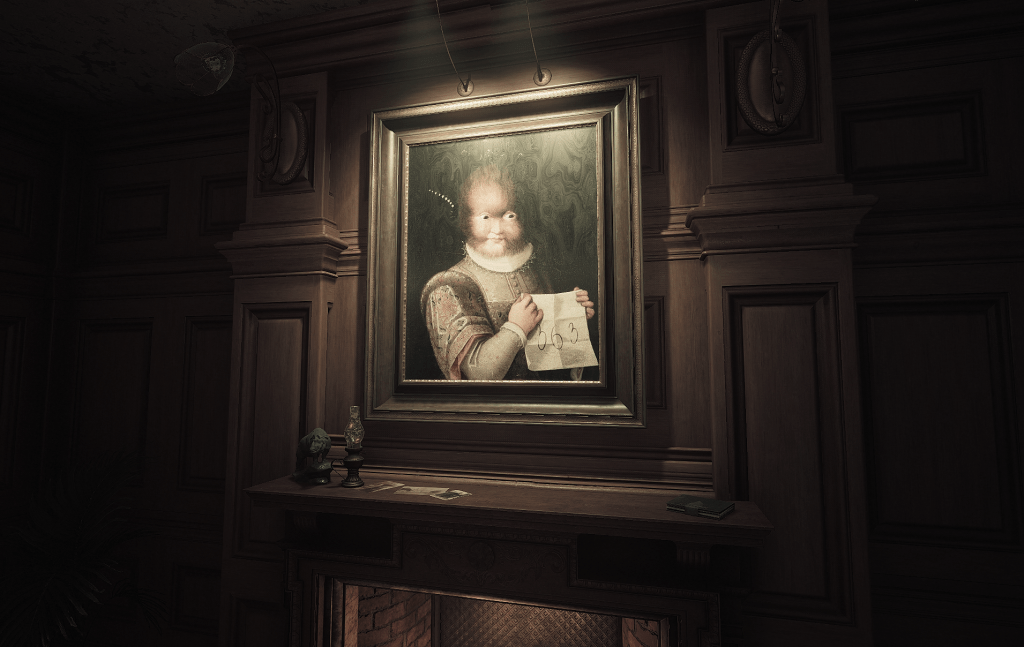
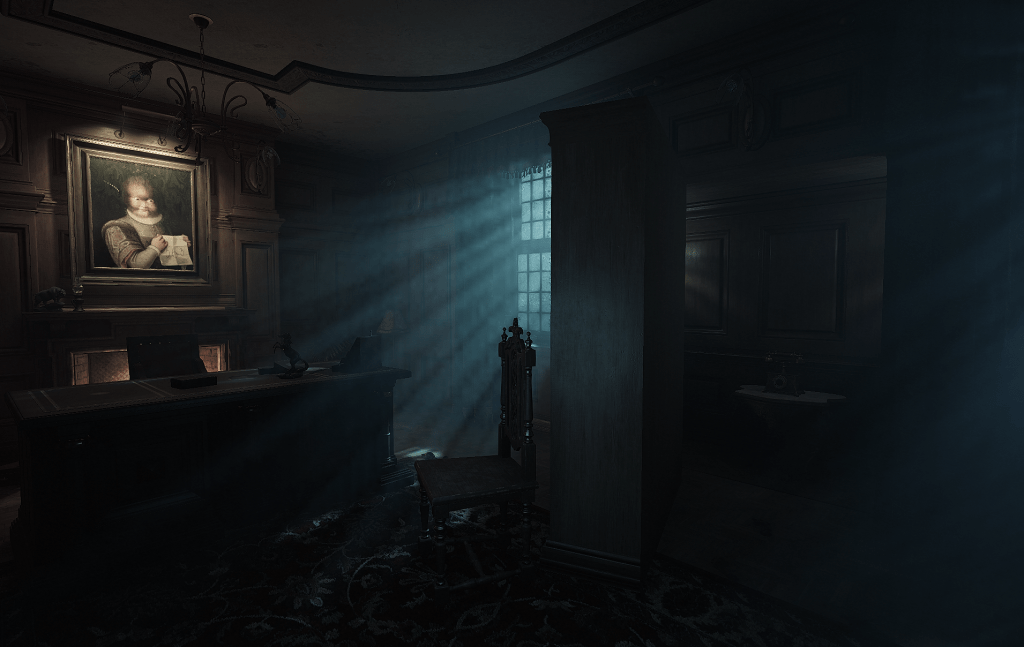
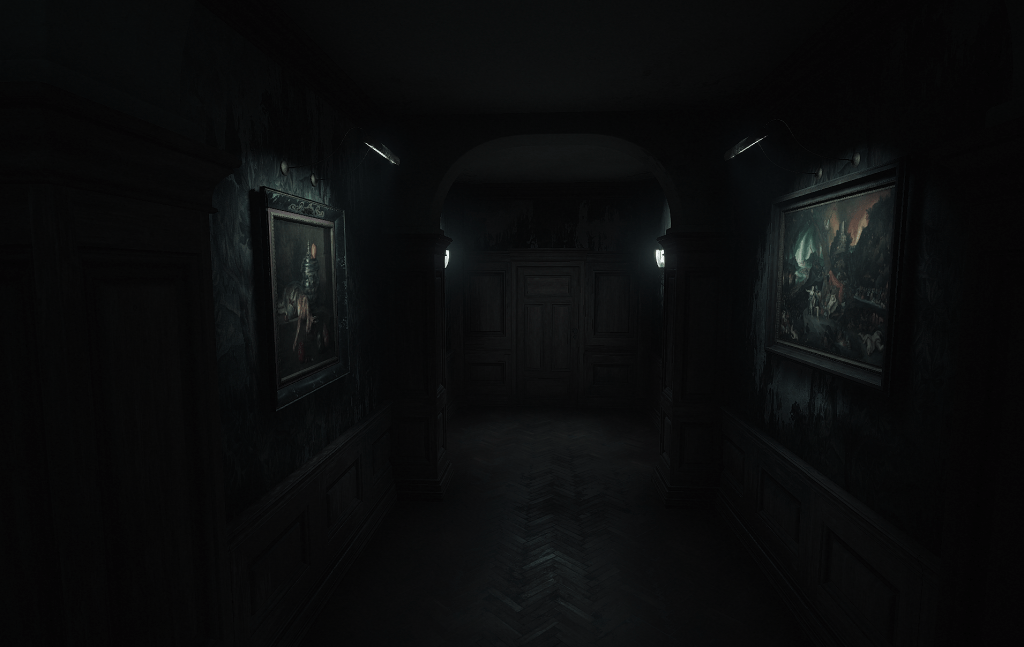
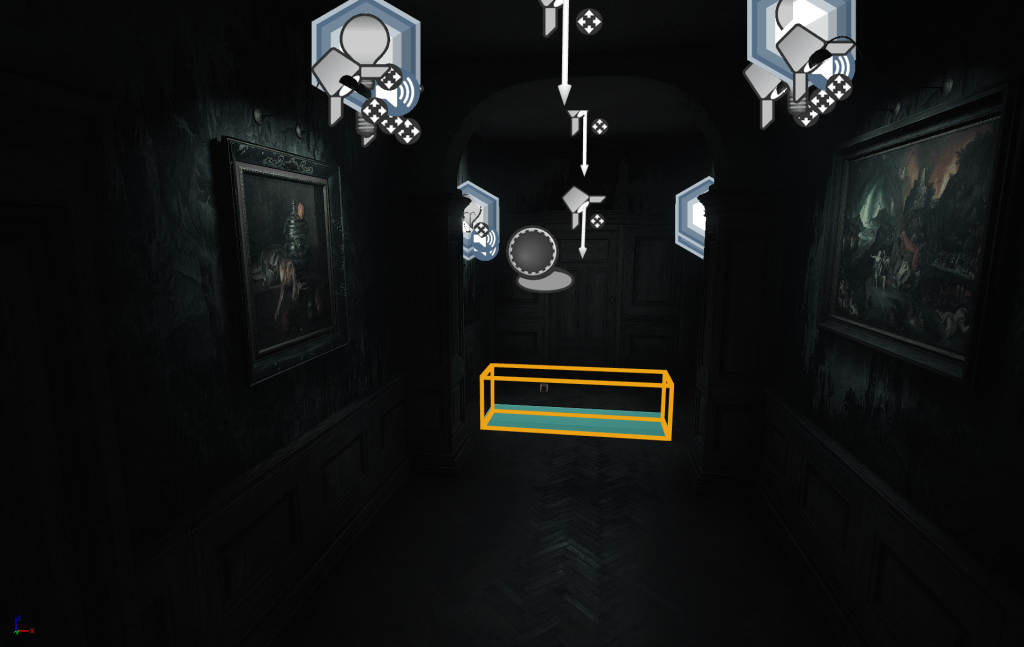
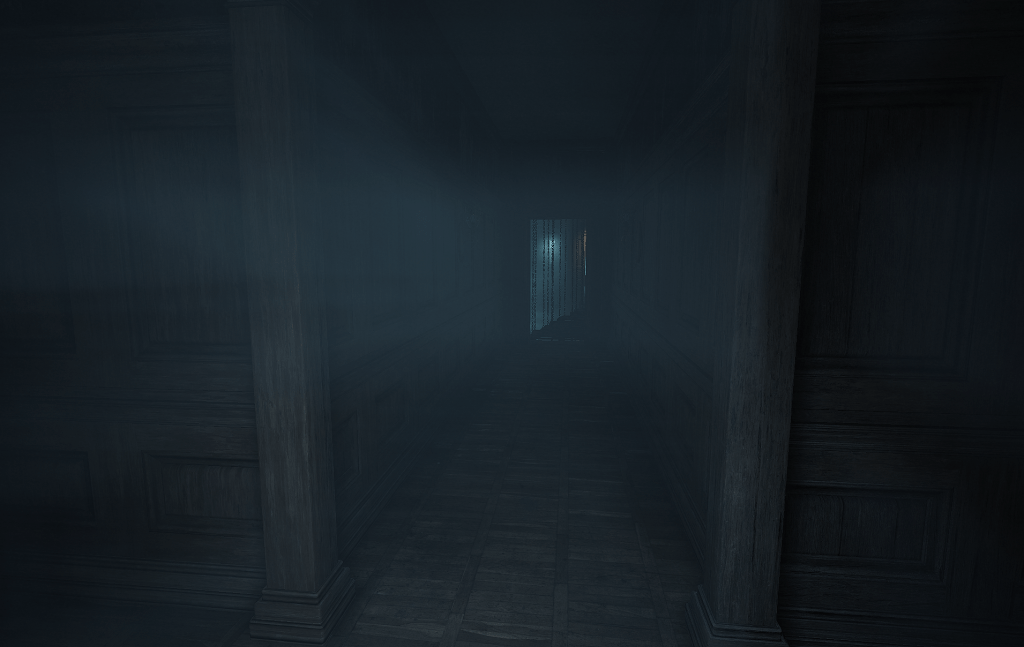
We added an initial entry floor: you find yourself just above the office, then move onto an external staircase where you’re teleported several segments higher.
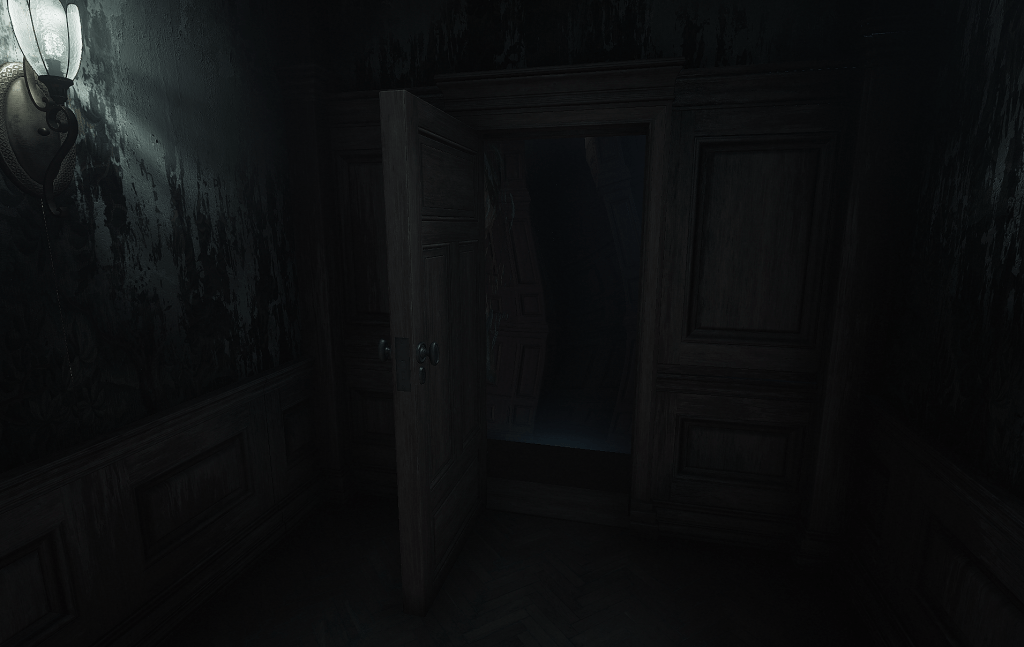
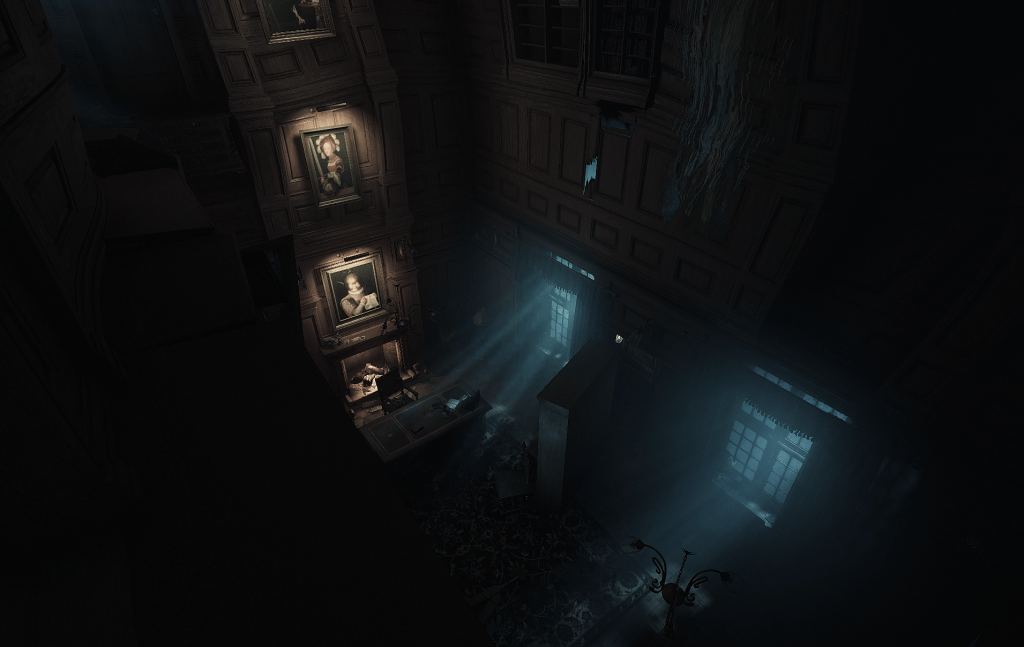
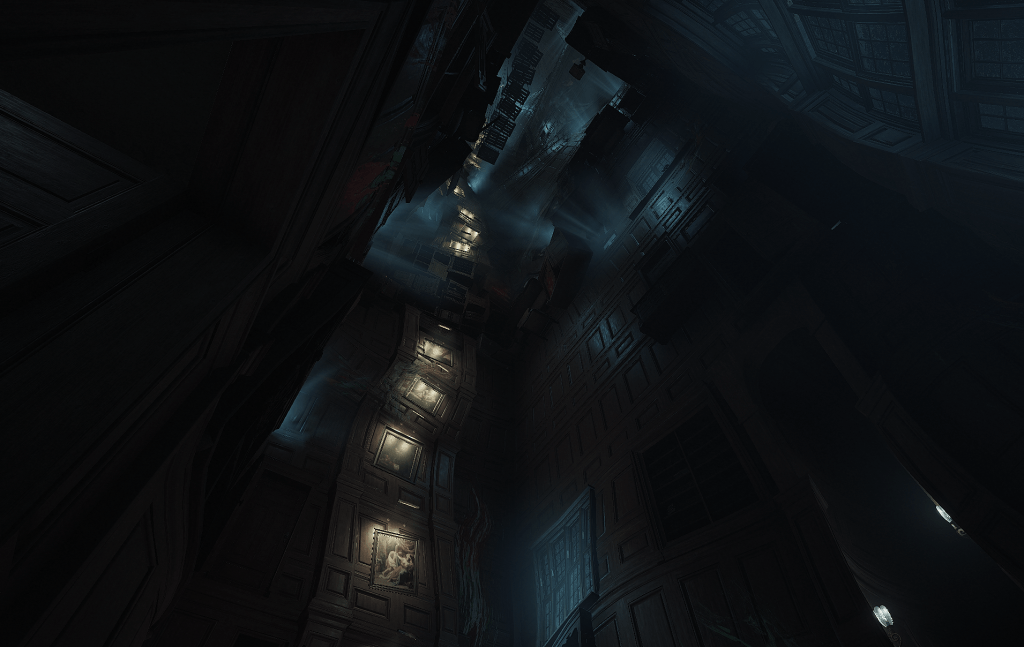
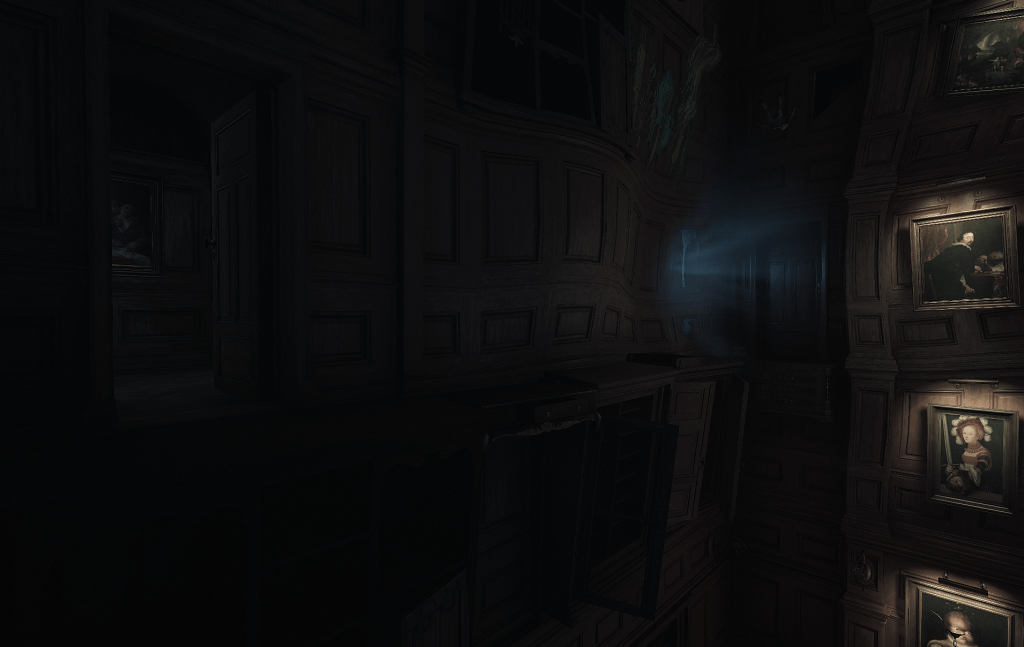
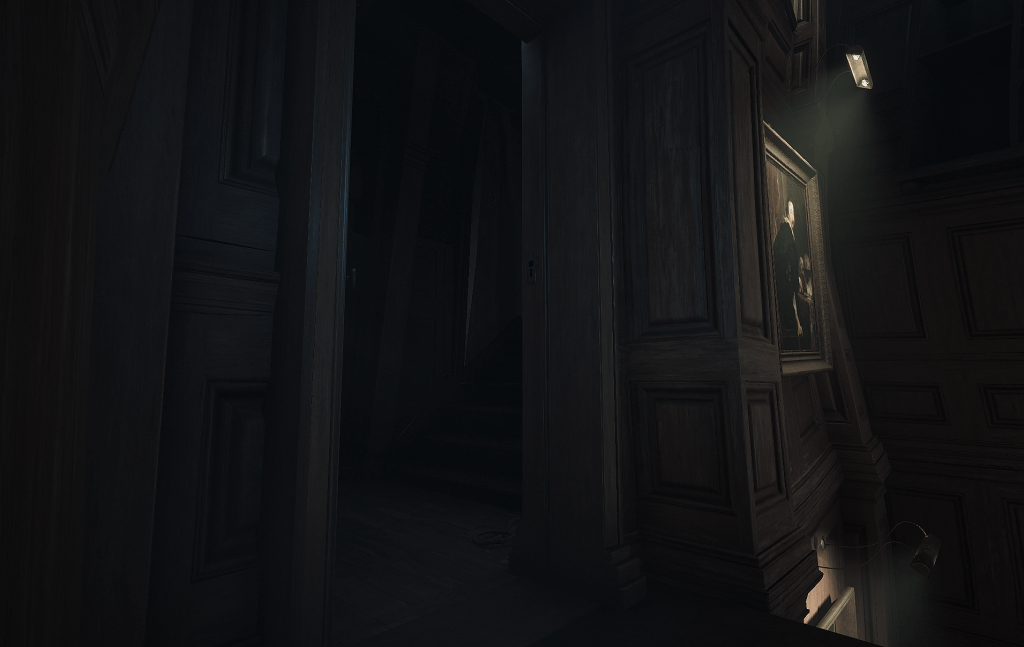
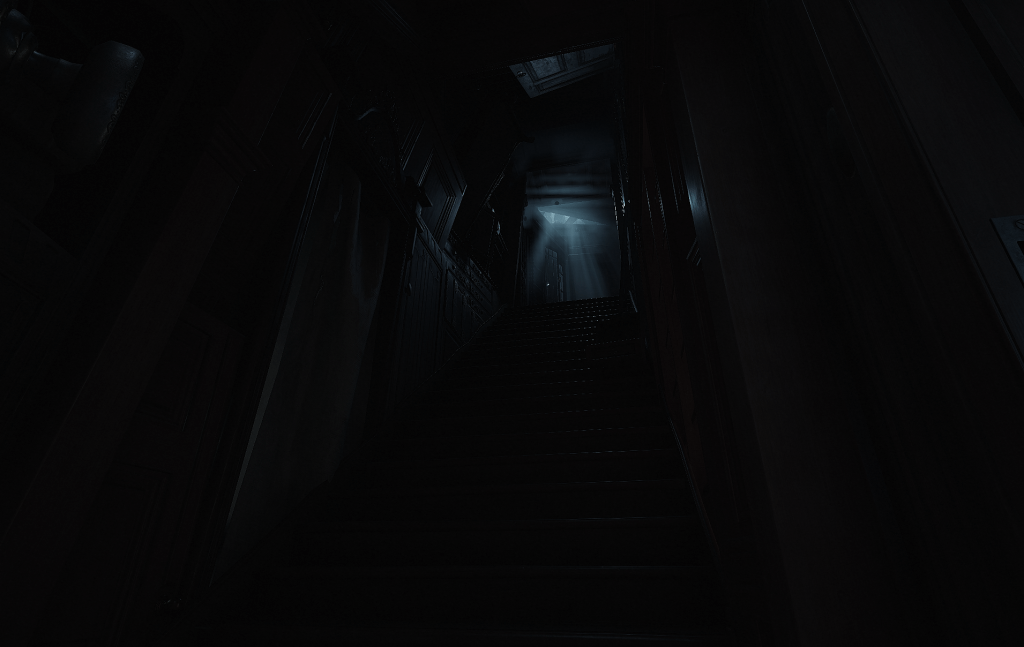
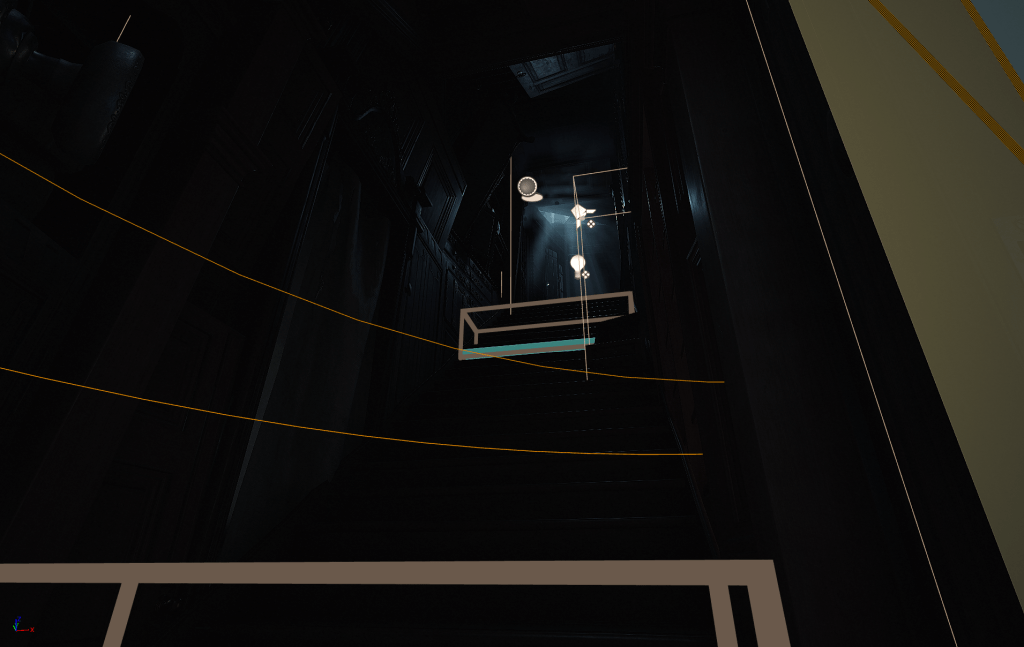
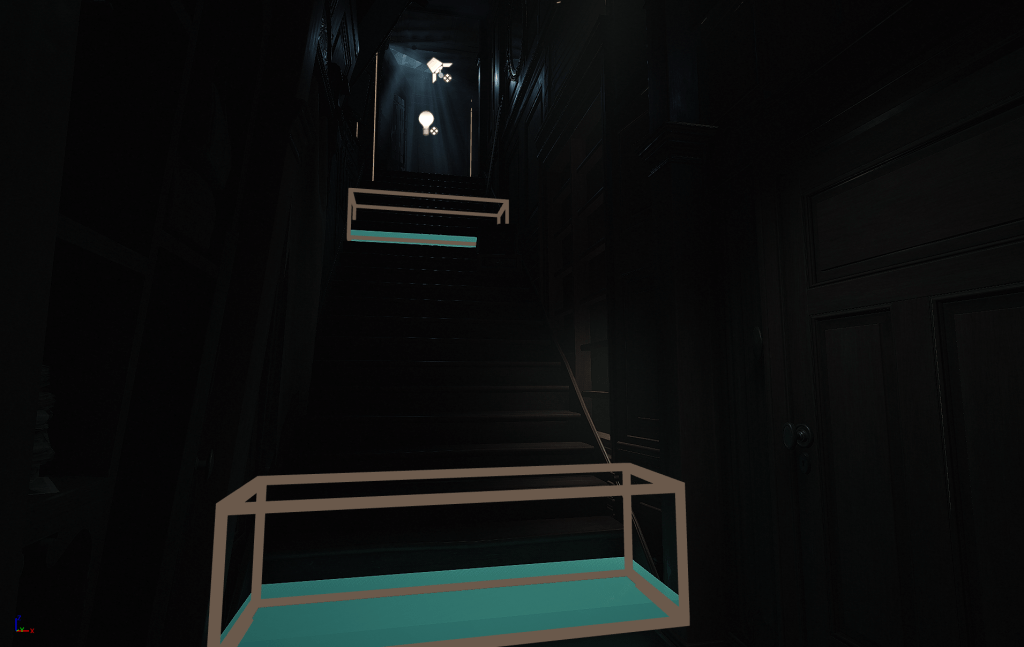
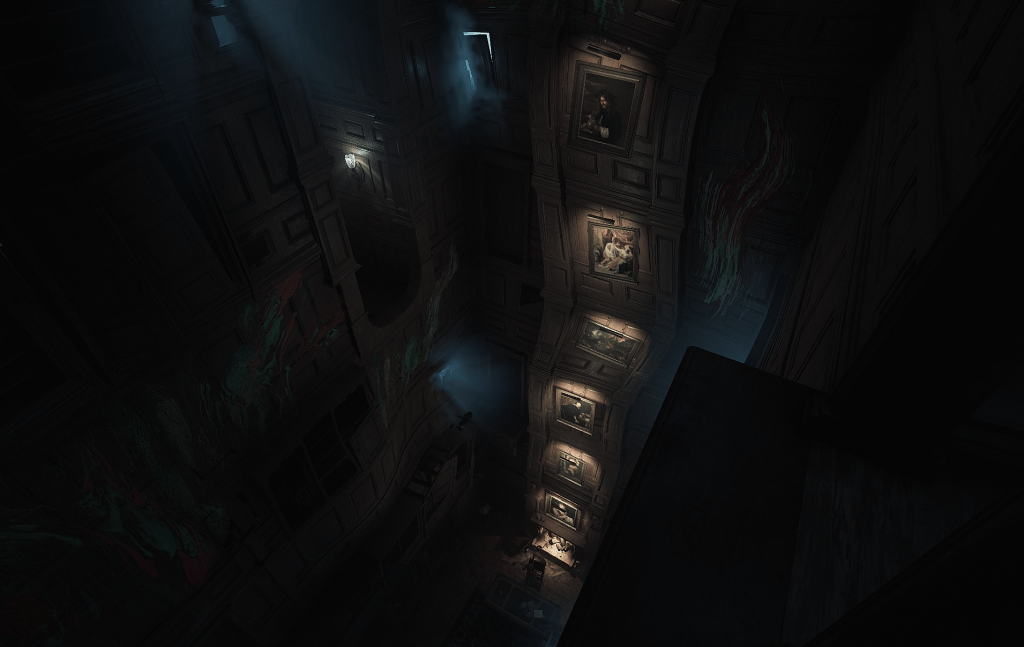
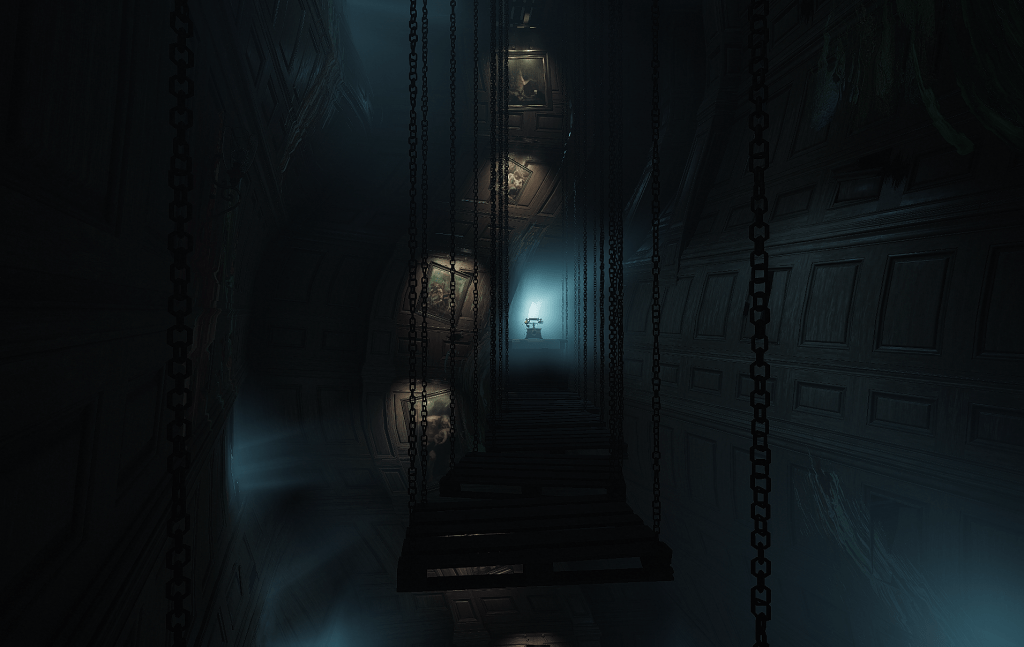
Next, a sequence borrowed from the original: interact with the phone; when you turn back, you witness a falling cabinet with a phone code on its back. After entering it, you’re teleported behind the cabinet and observe the event from the other side.
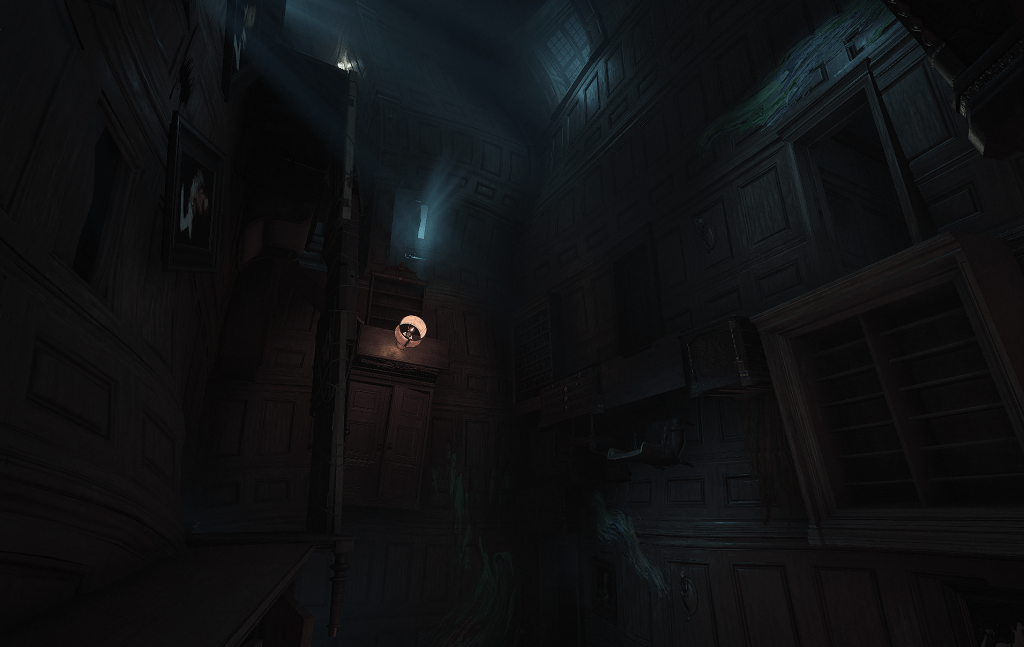
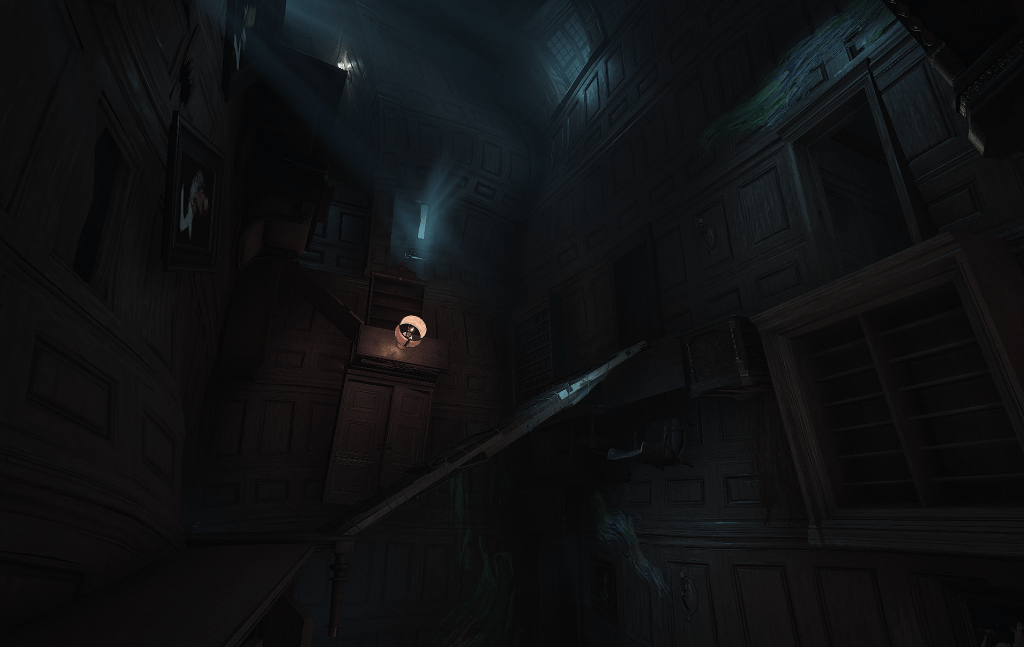
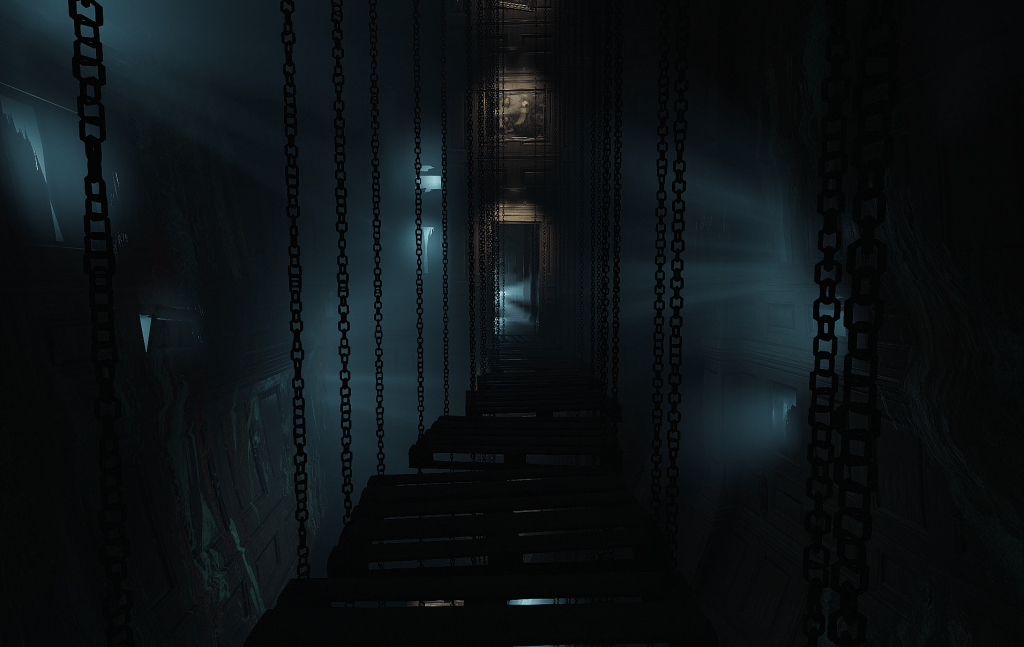
We continue with an interactive element using a lamp and pull‑out drawers forming steps to higher segments. Then another interactive element: a wooden plank you have to drop to cross to the other side. This was meant to heighten the sense of danger by forcing players to traverse a vast chasm directly.
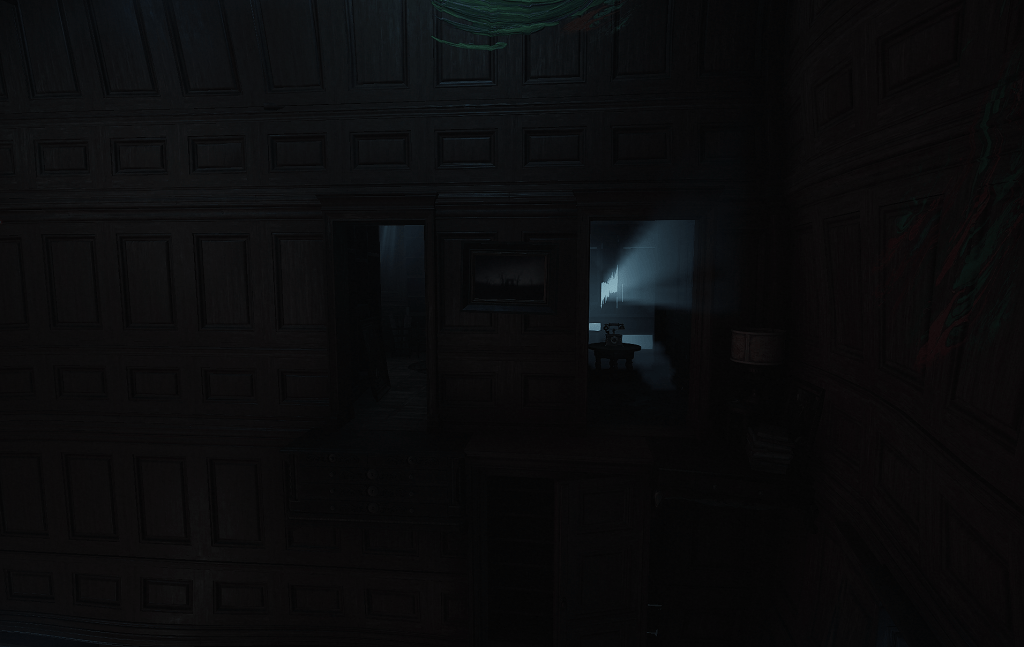
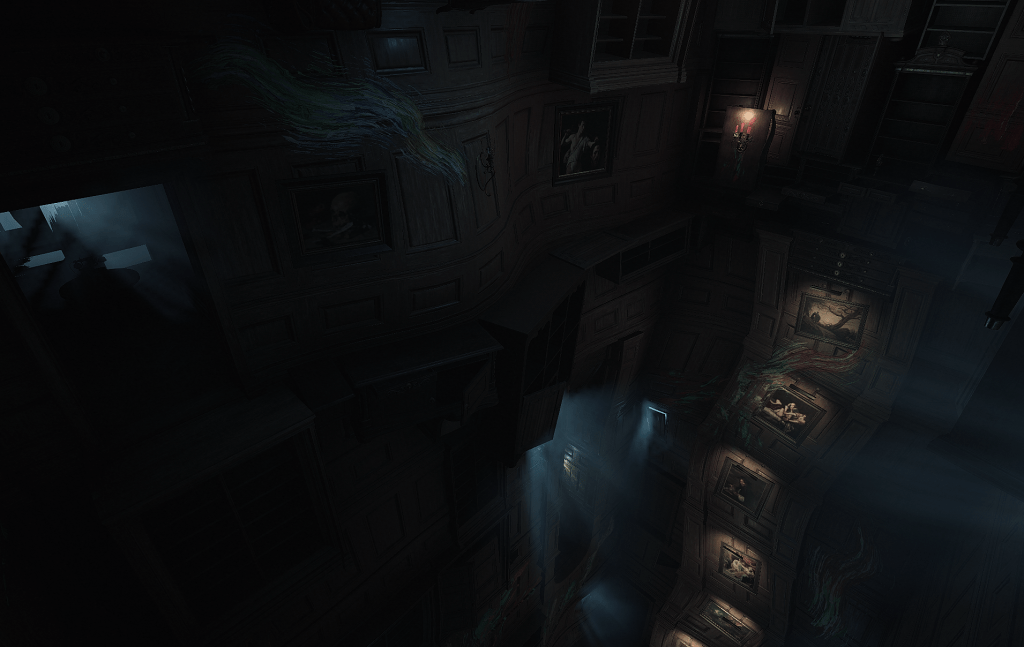
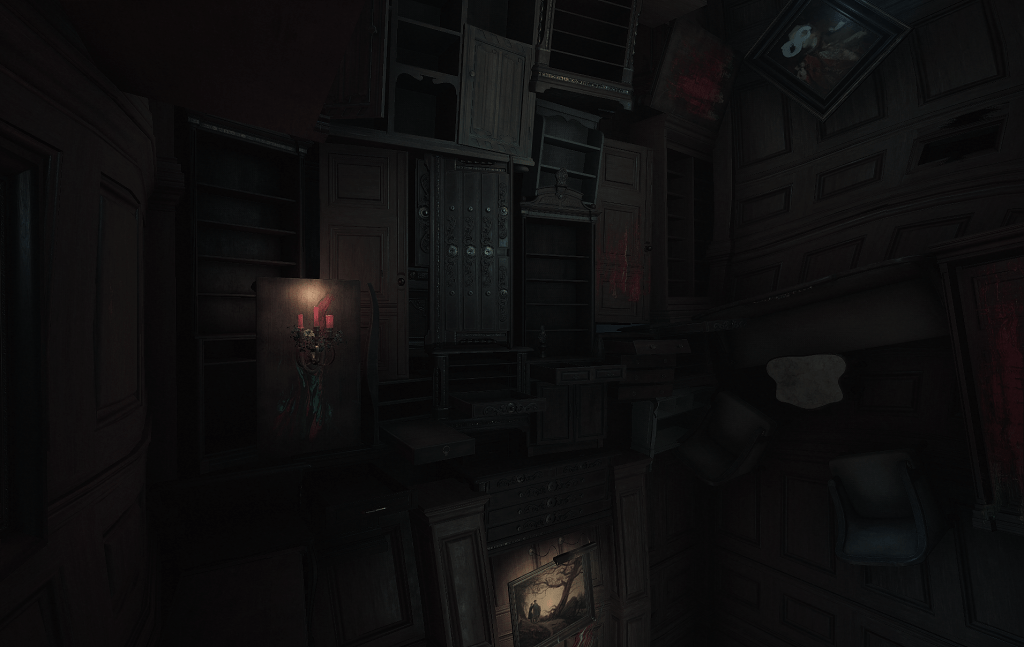
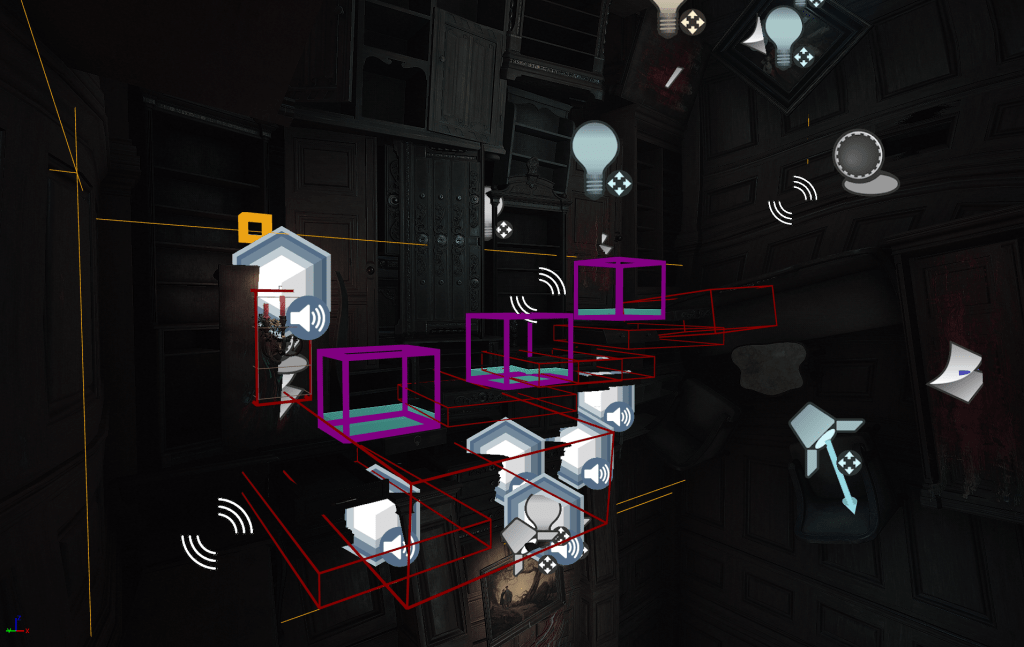
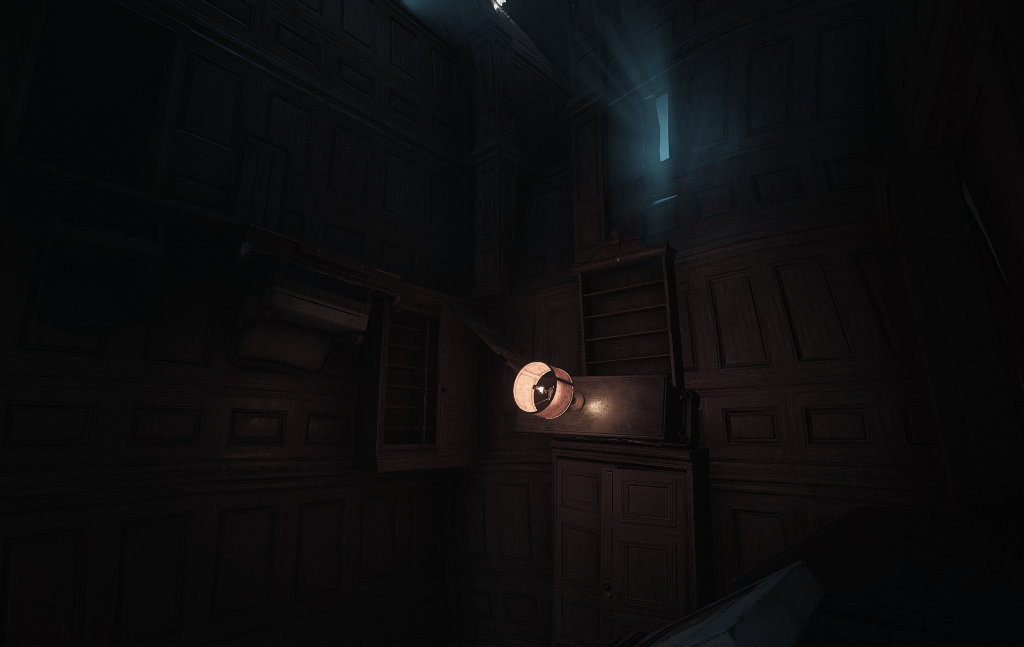
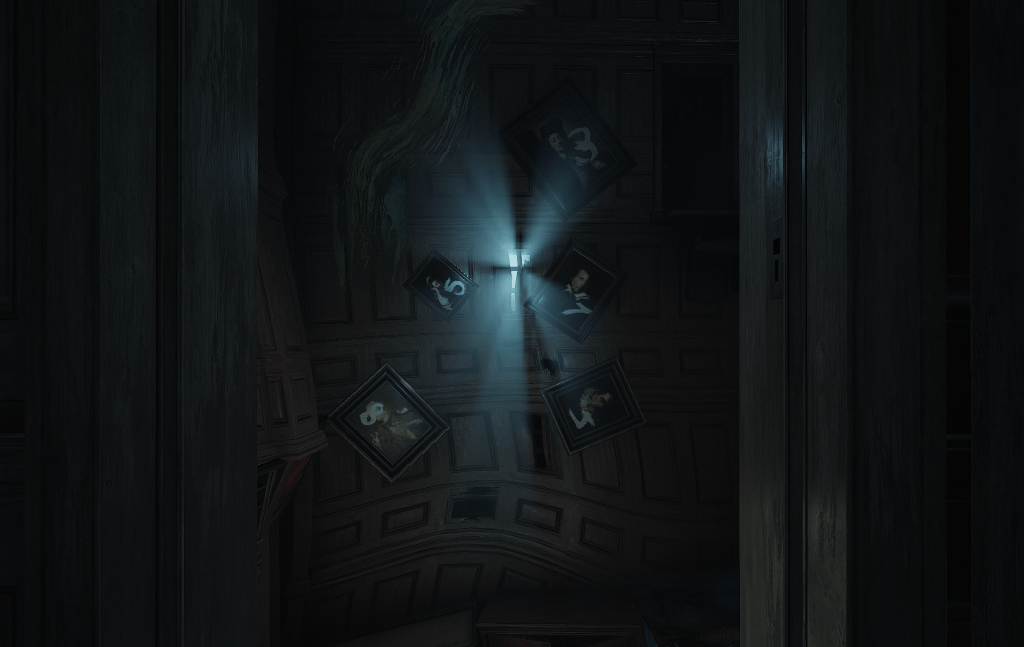
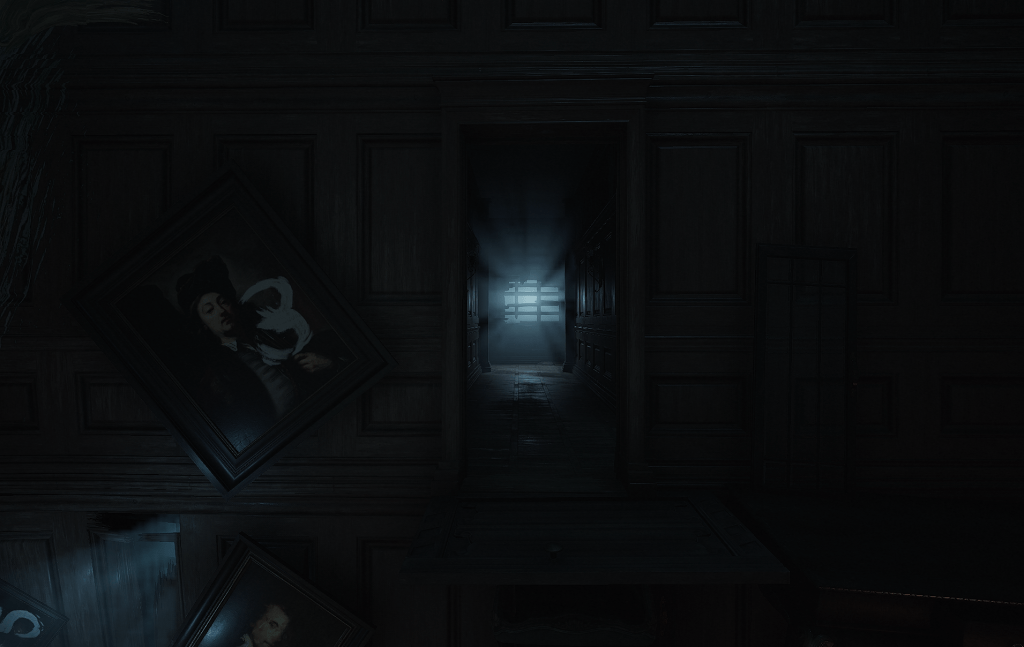
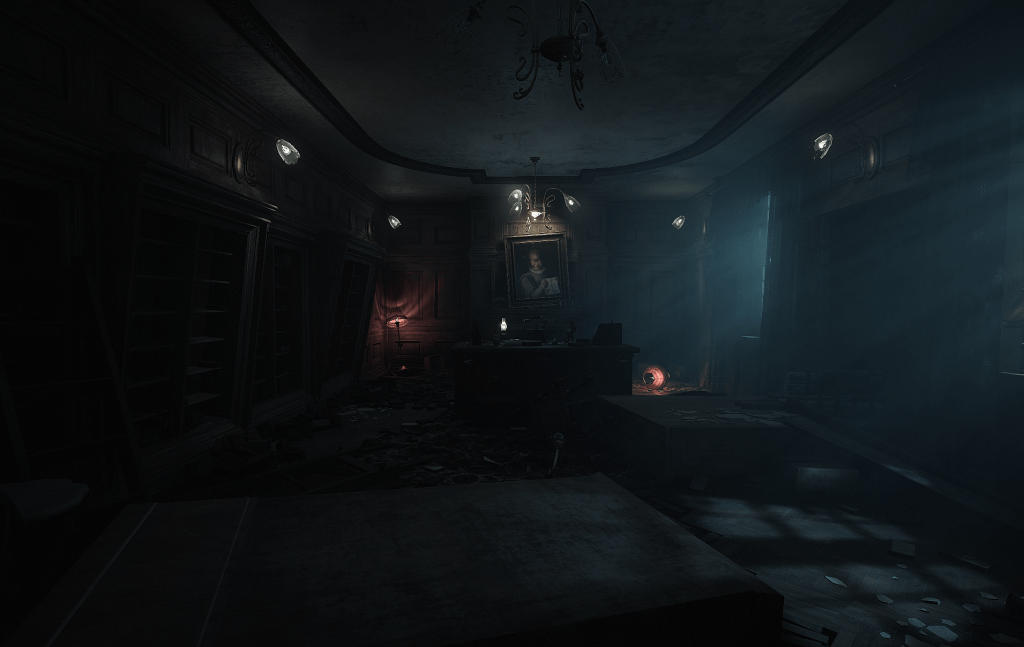
Then a simple puzzle: the room contains three paintings. When you turn around, you see numbered paintings, including the ones present in the room. The player must select the paintings that match the room and enter their numbers in left‑to‑right order, which unlocks the passage to a higher segment.
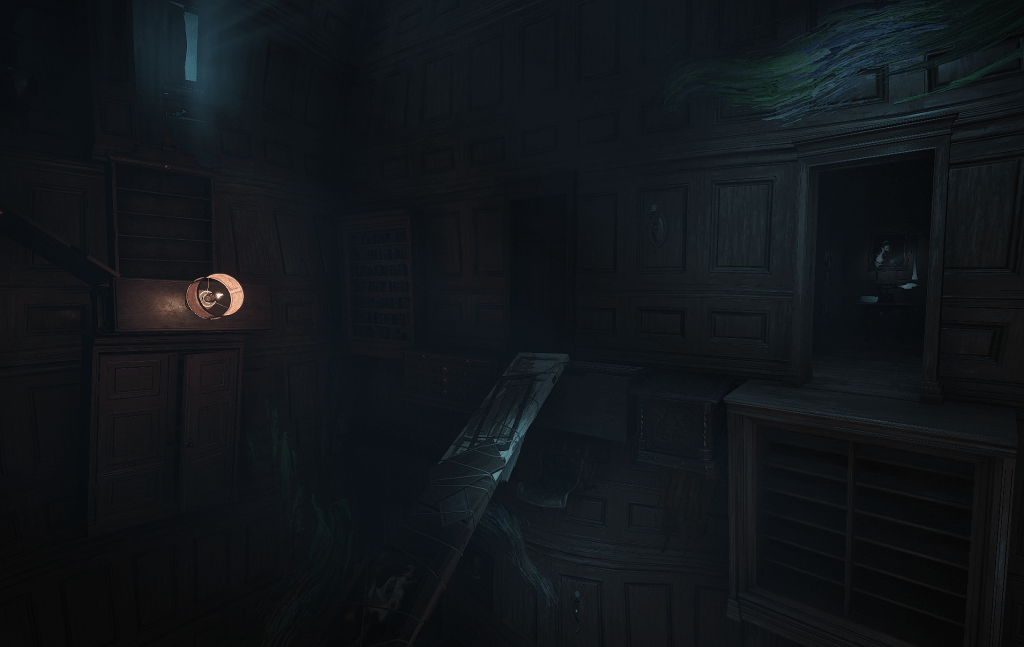
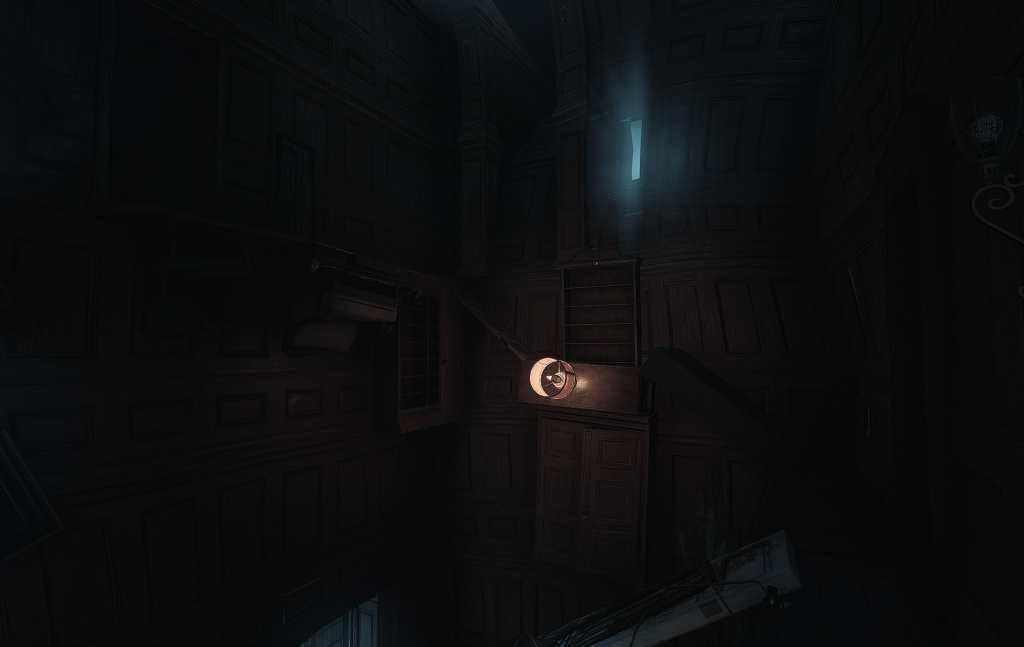
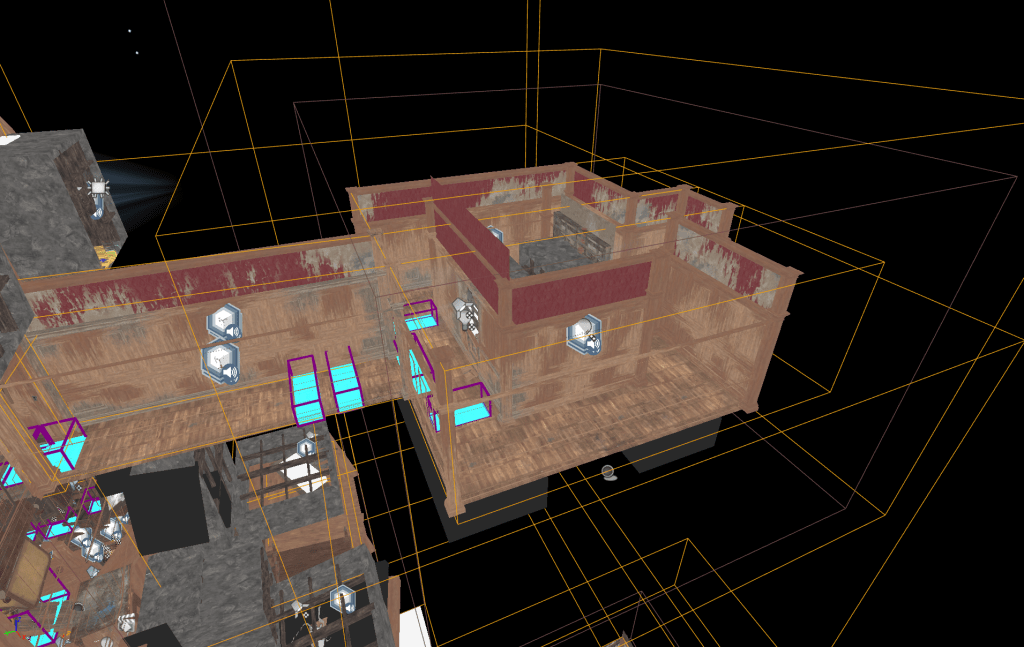
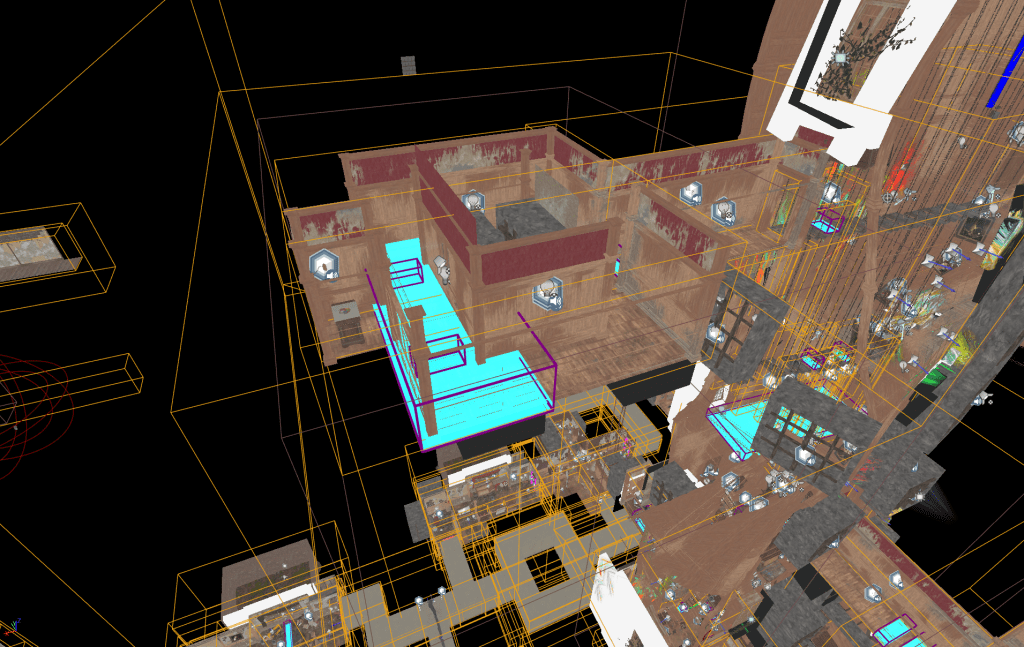
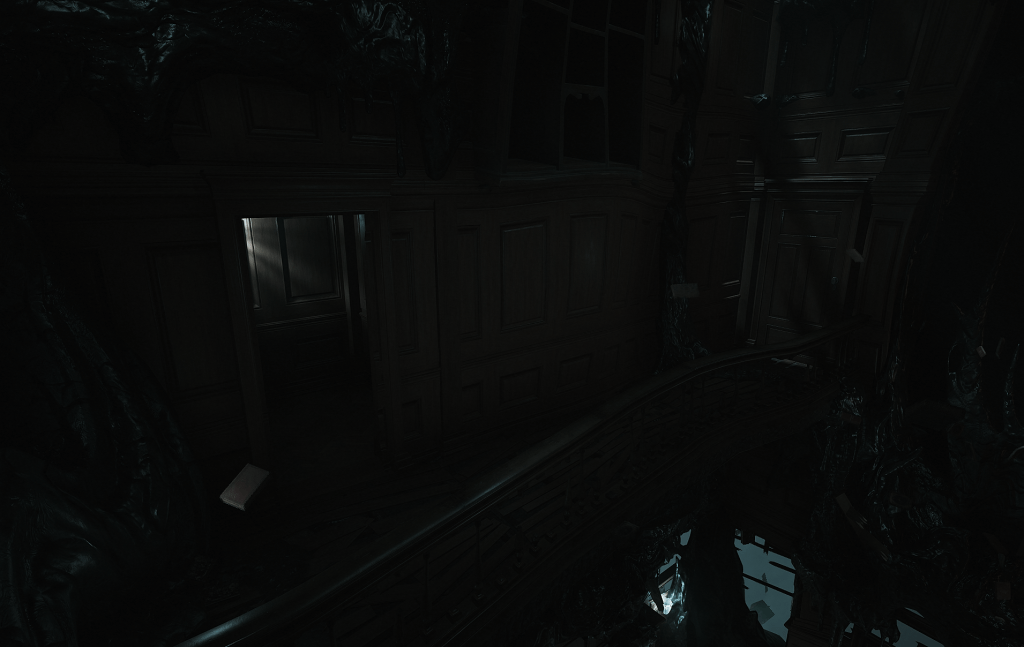
The next sequence takes place in a separate room: a loop that lifts the player several segments higher, leading into the collapsing walkways set piece known from the original.
Chapter 1
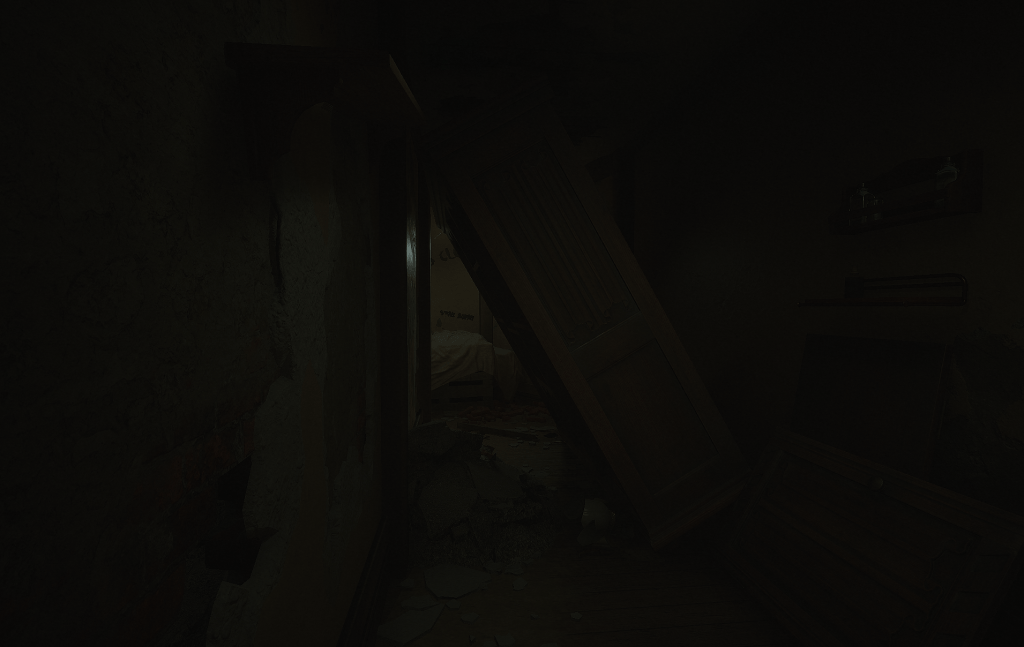
This was another chapter I took responsibility for in terms of baseline and technical setup. It was one of the chapters we produced practically last. Its first iteration had a slightly different structure, somewhat reminiscent of Resident Evil — the player encountered locked rooms and had to find the appropriate key to open them. The structure was still linear but took a different form.
The level received a lot of positive feedback, but a significant note appeared — the level diverged strongly from the rest of the game’s levels, and therefore required re‑iteration and restructuring so that it would resemble the other chapters in form while preserving the already designed events and puzzles, some of which were partially reused from the original game.
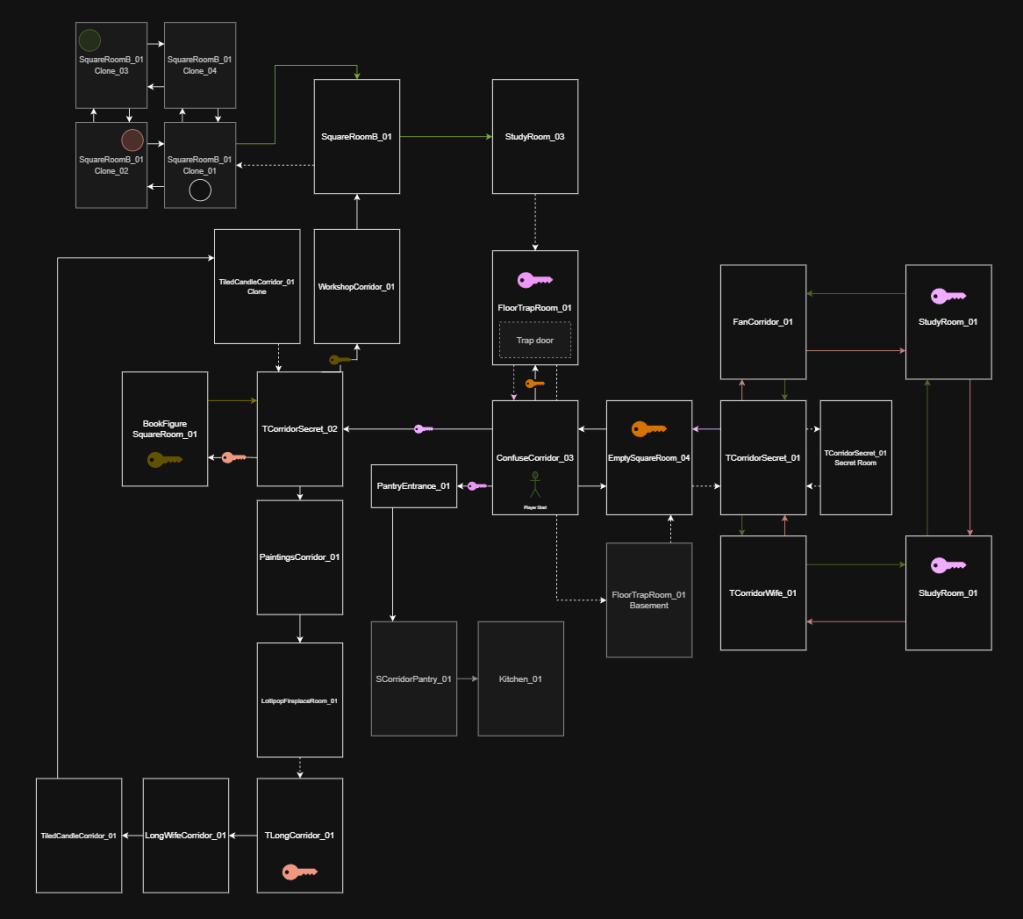
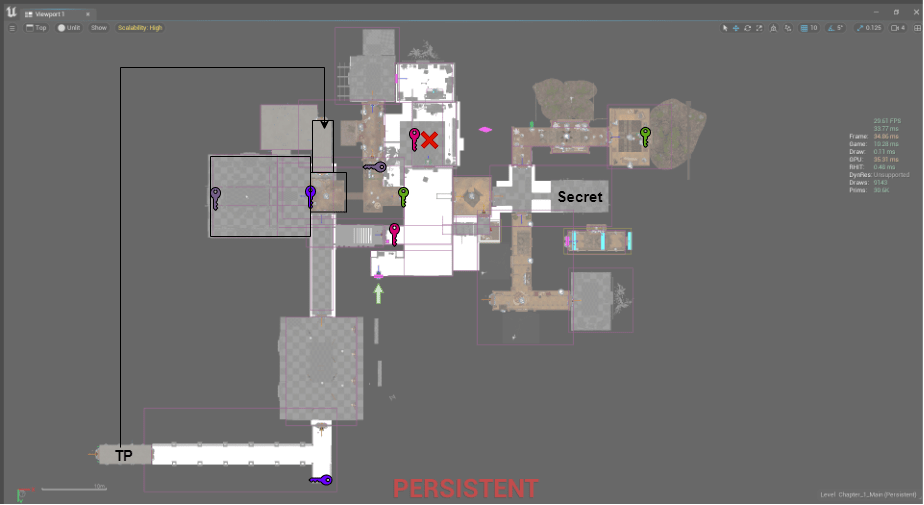
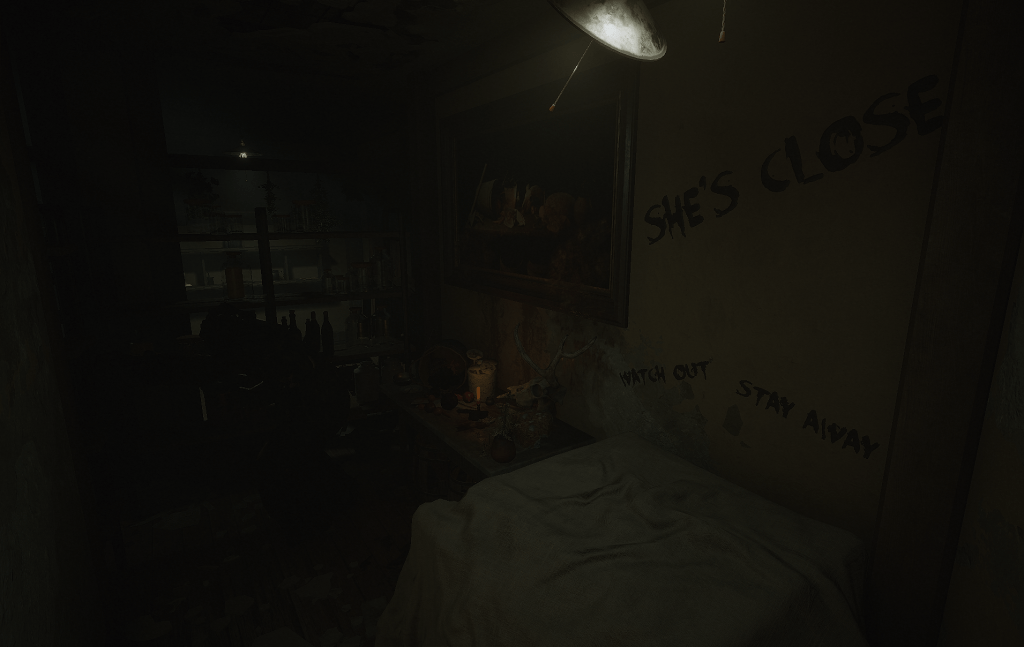
This sequence comes from the original, but it’s worth noting because we built an interesting loop here. Additionally, to increase interactivity, we added a basement segment where a path is unlocked by interacting with a wooden plank, with environment shifts synced to the camera work. After leaving the basement, players enter an empty room with a narrative beat. One door is locked; the other leads to a puzzle room.

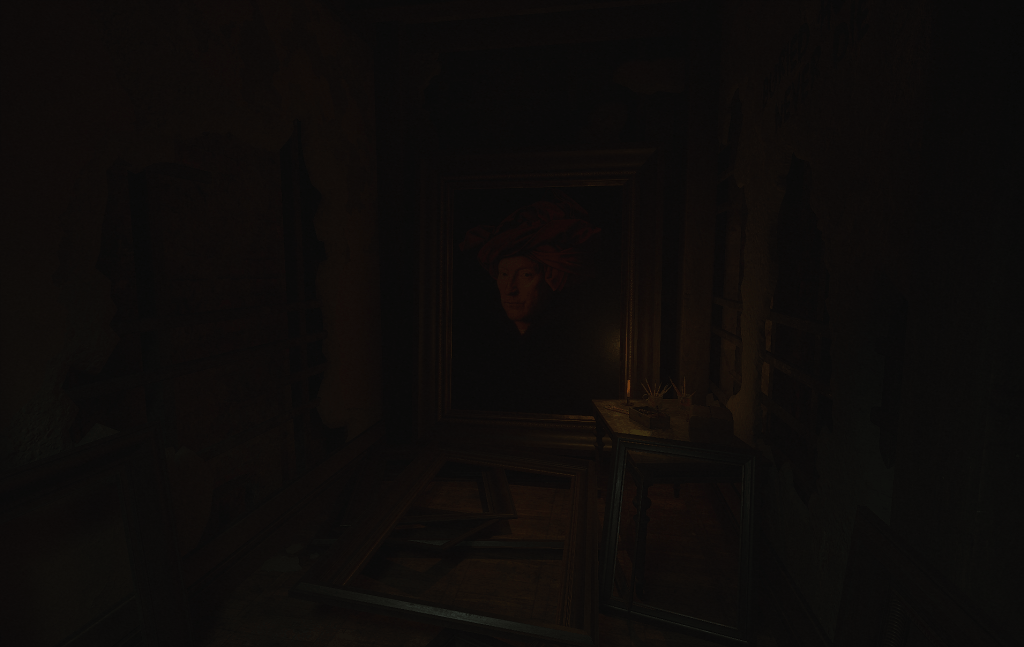
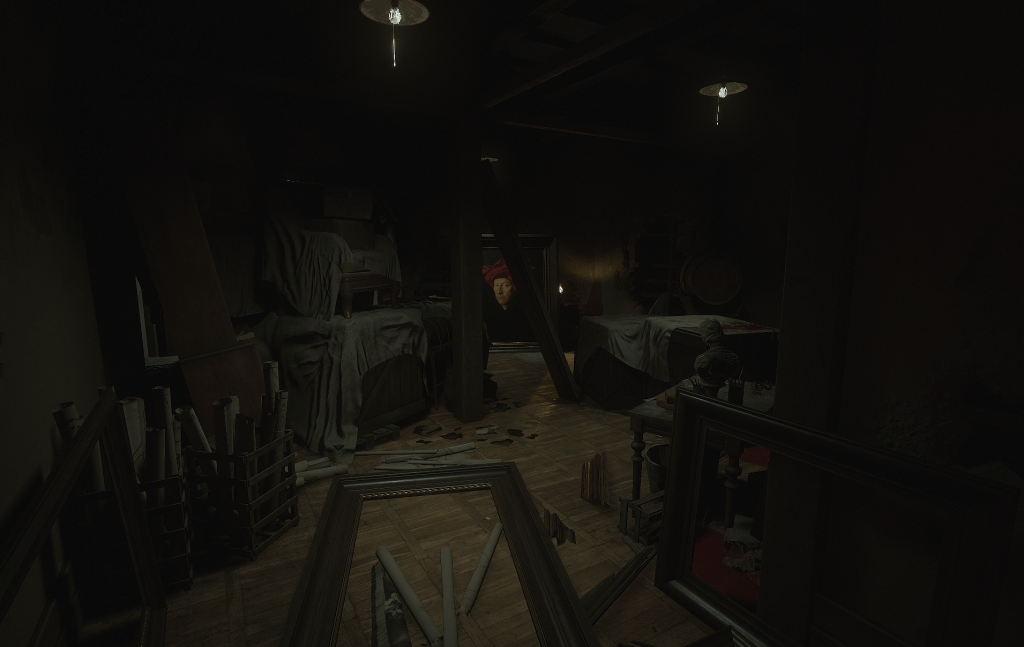
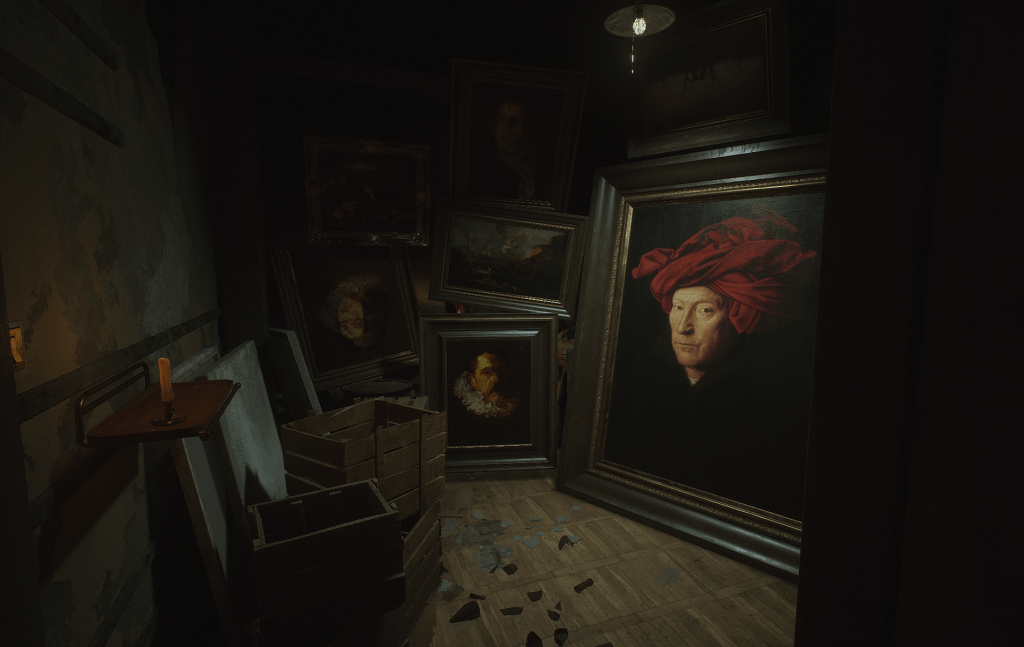
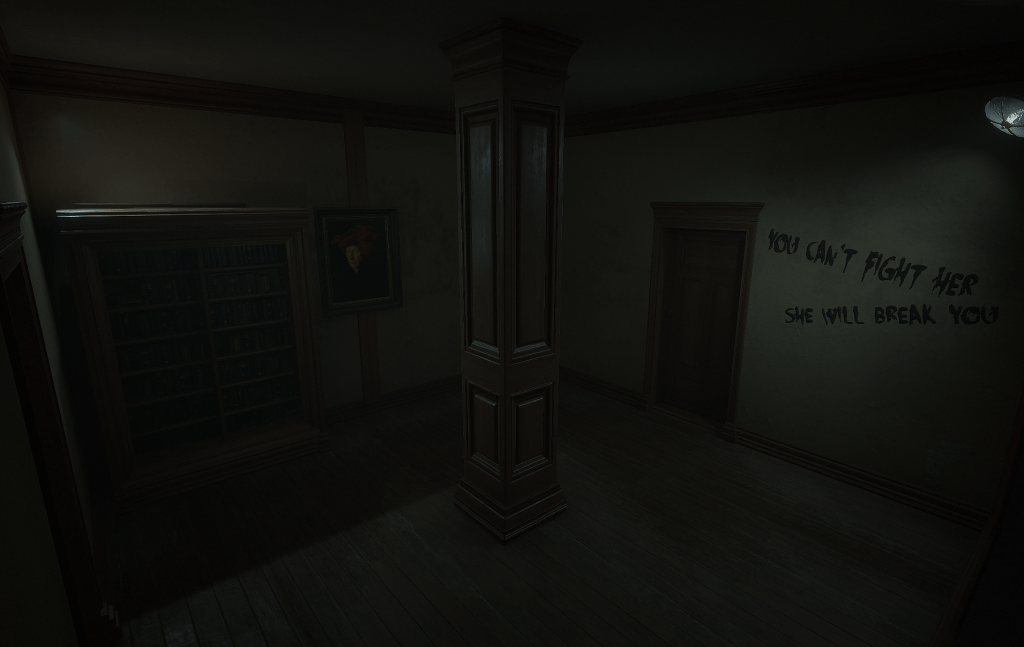
We lightly modified this room: players need to find a code for a lockbox. The code is on the paintings, but you have to light the candles next to them to reveal it. The code is clearly visible from the lockbox’s position so that when players turn around, they can spot it immediately.
We also relocated the well-known book jump scare to a different spot to surprise fans of the original.
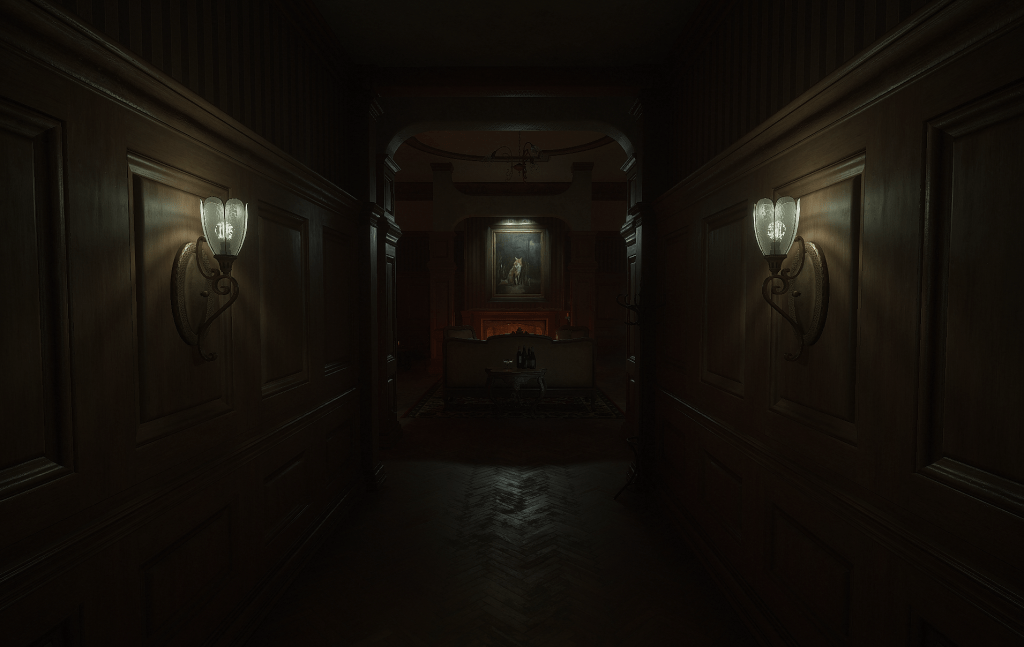
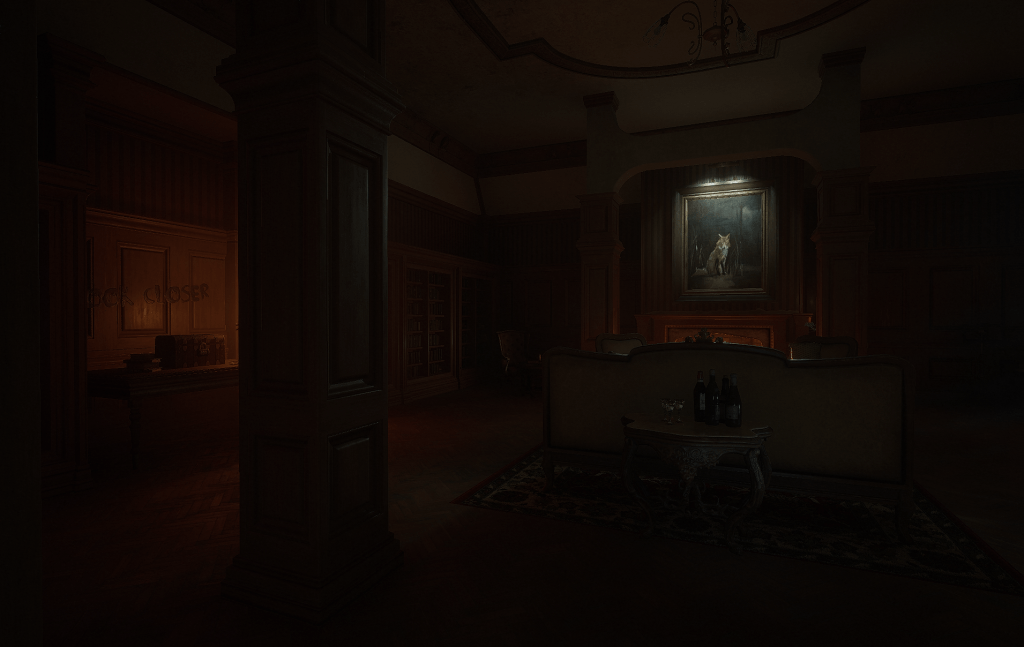
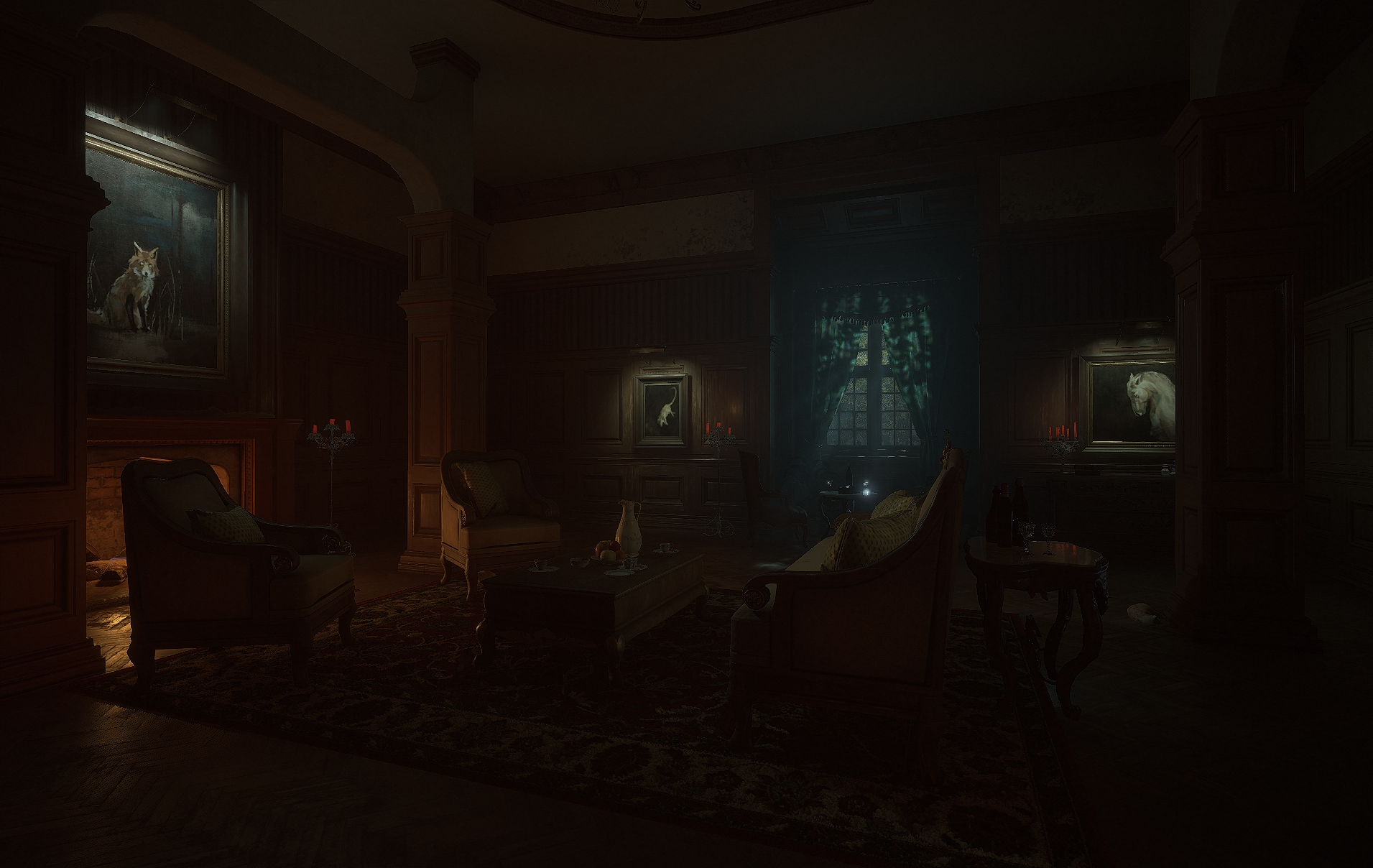
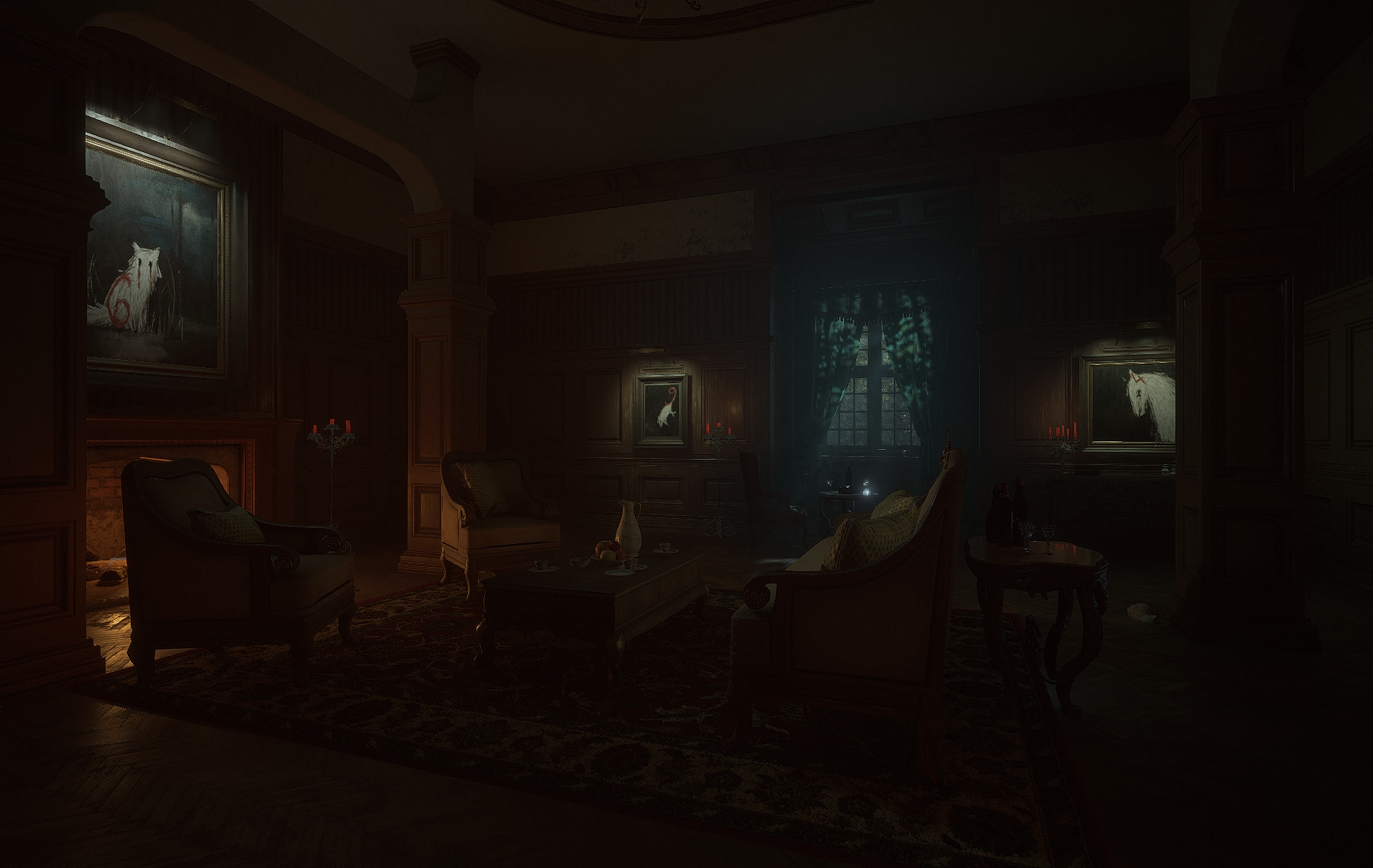
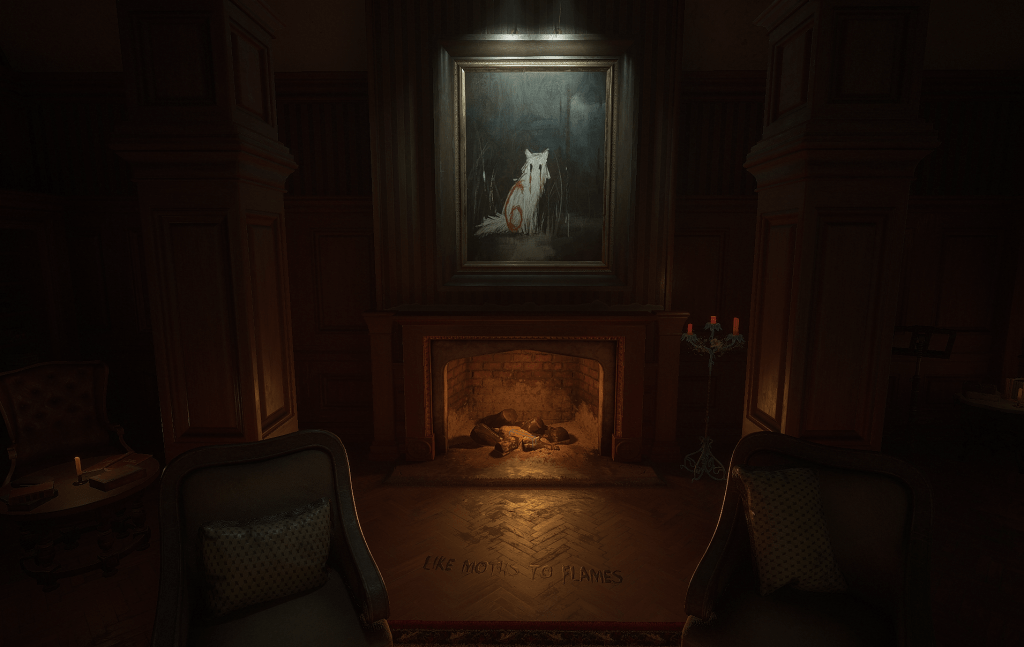
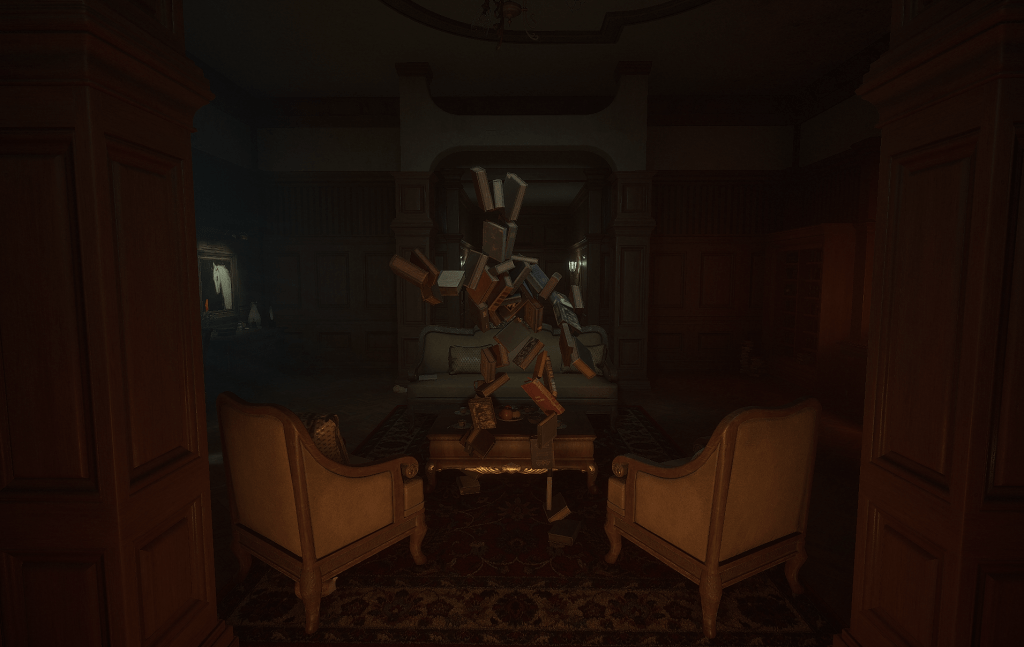
The first choice room sets the stage for subsequent decisions in the game—a choice between green (family, wife) and red (painter, egoism). Players hang a painting on the corresponding side, which unlocks the path in that direction. It’s a classic left–right split. Choices are always marked with a scales icon before entering the room.
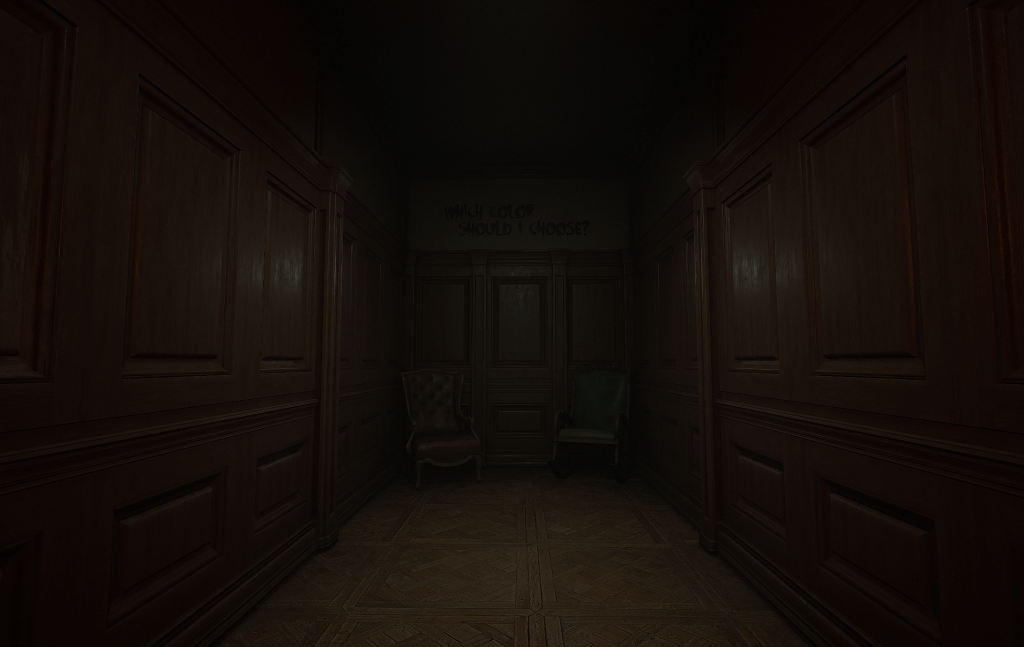
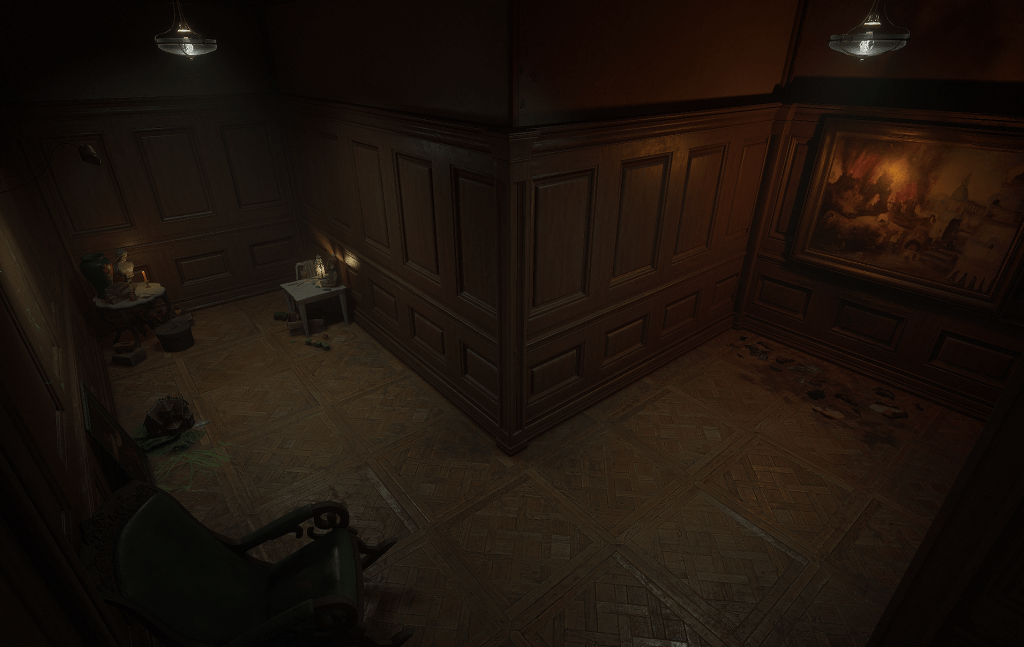
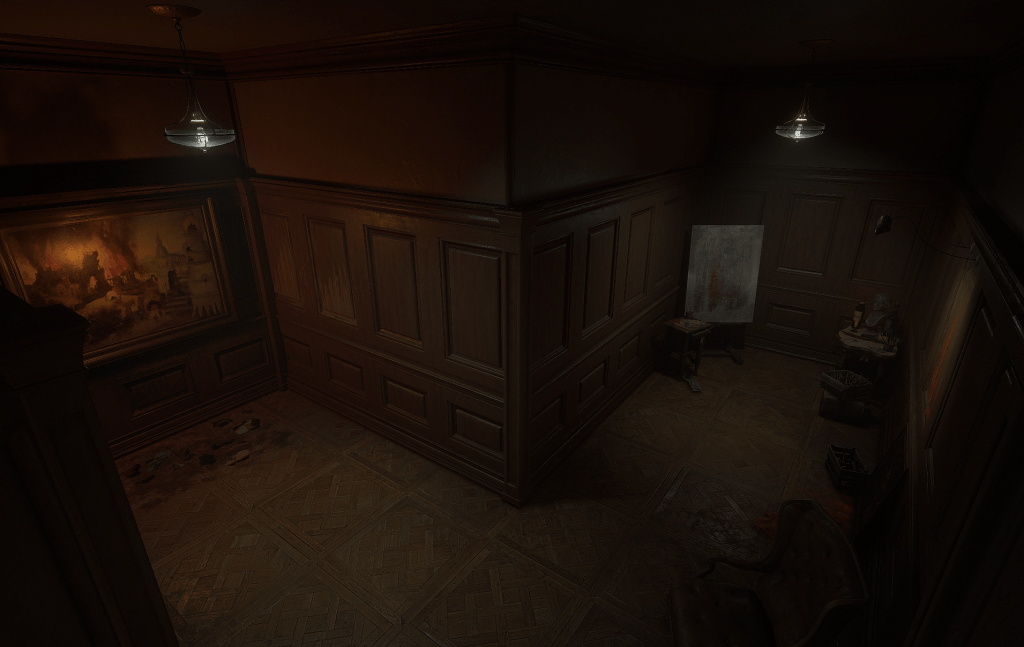
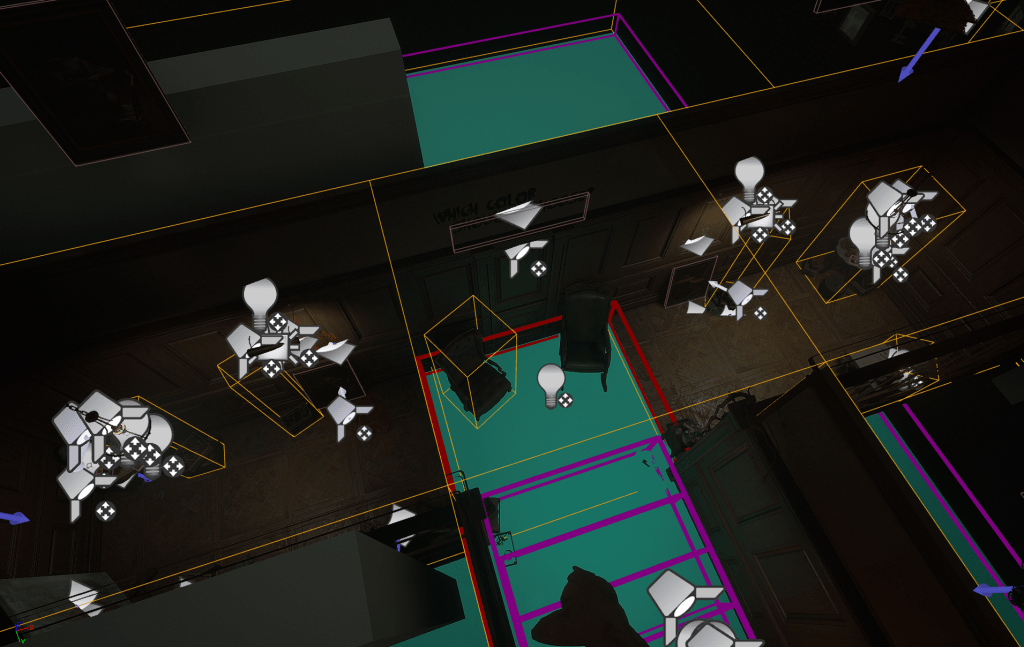
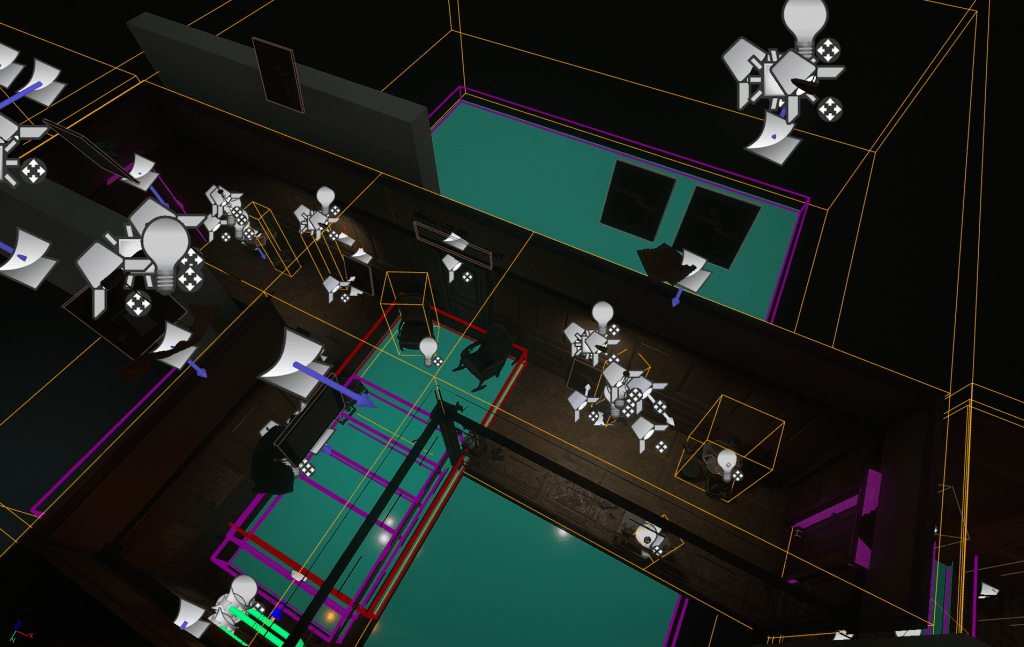
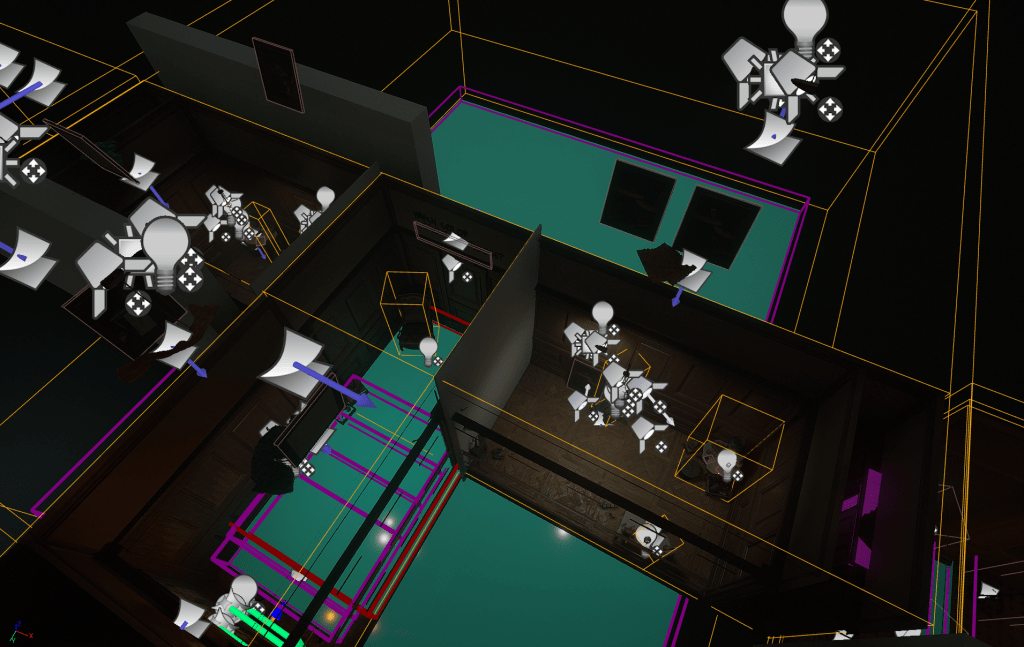
An example of a room swap after interacting with an object – a classic Layers technique illustrating the protagonists’ descent into madness.
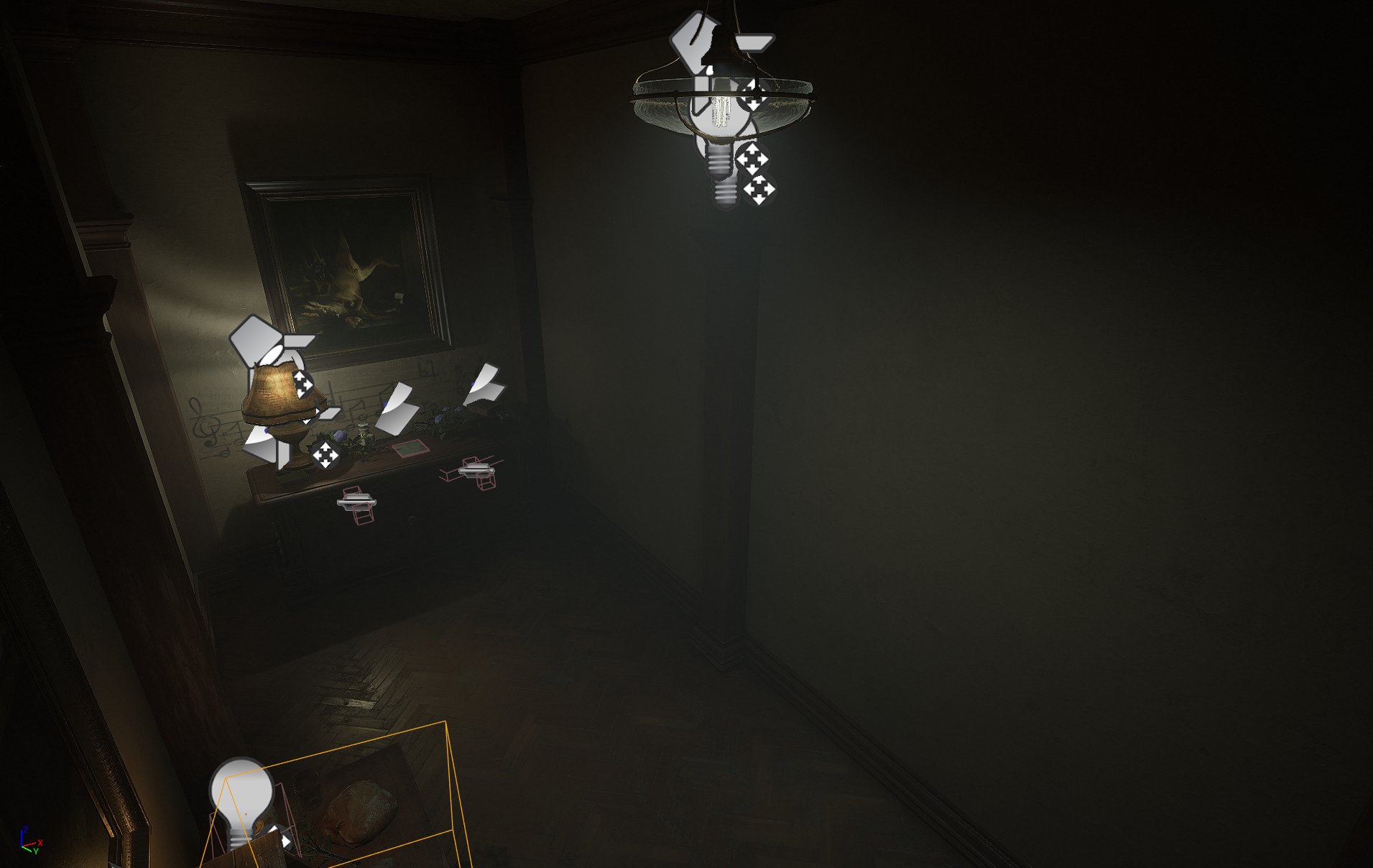
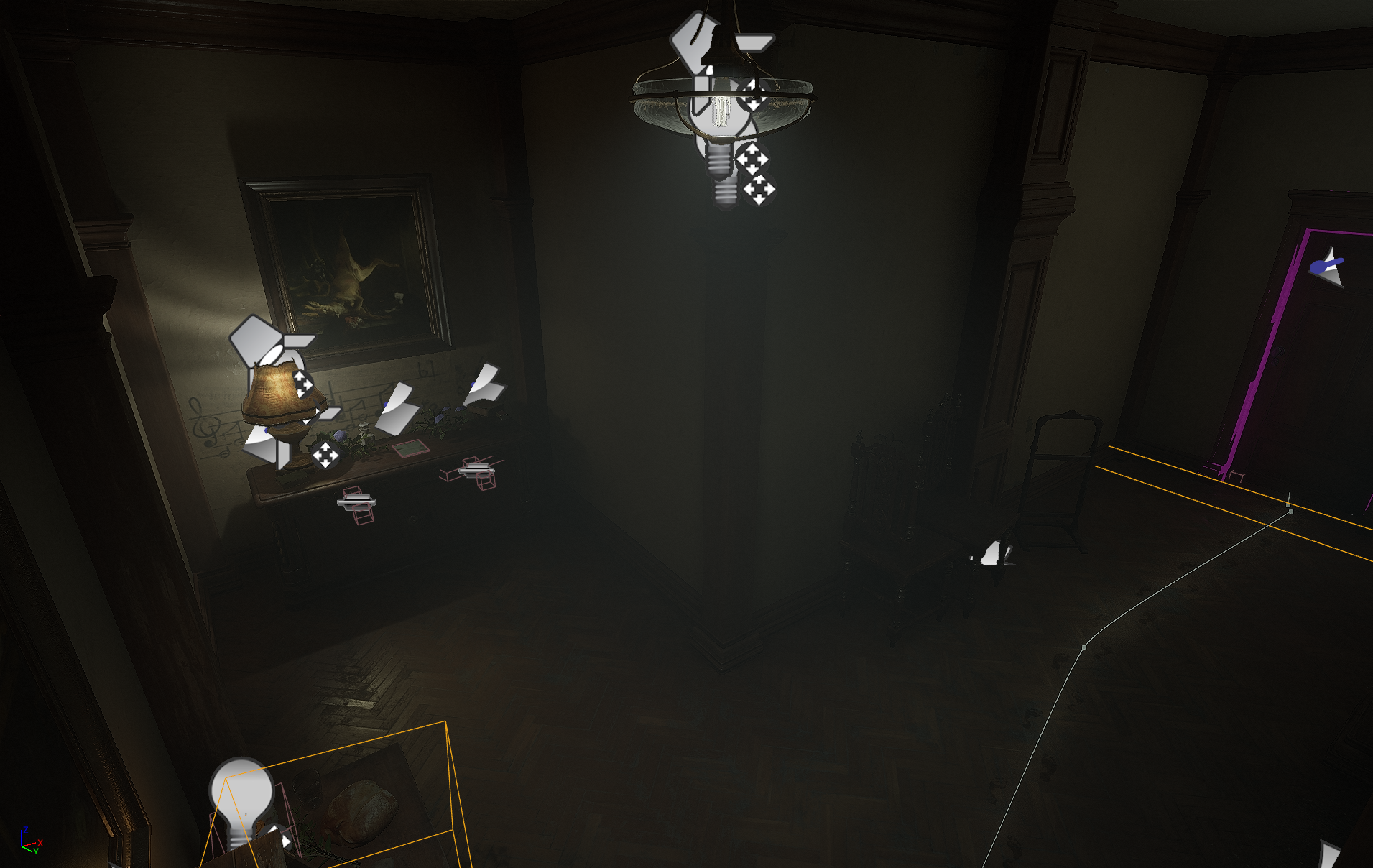
Here’s the aforementioned loop in the deer-head room. Interacting with the light switch reveals a fireplace that can be used—players go through the fireplace and end up in the room where they fell at the very beginning of the chapter.
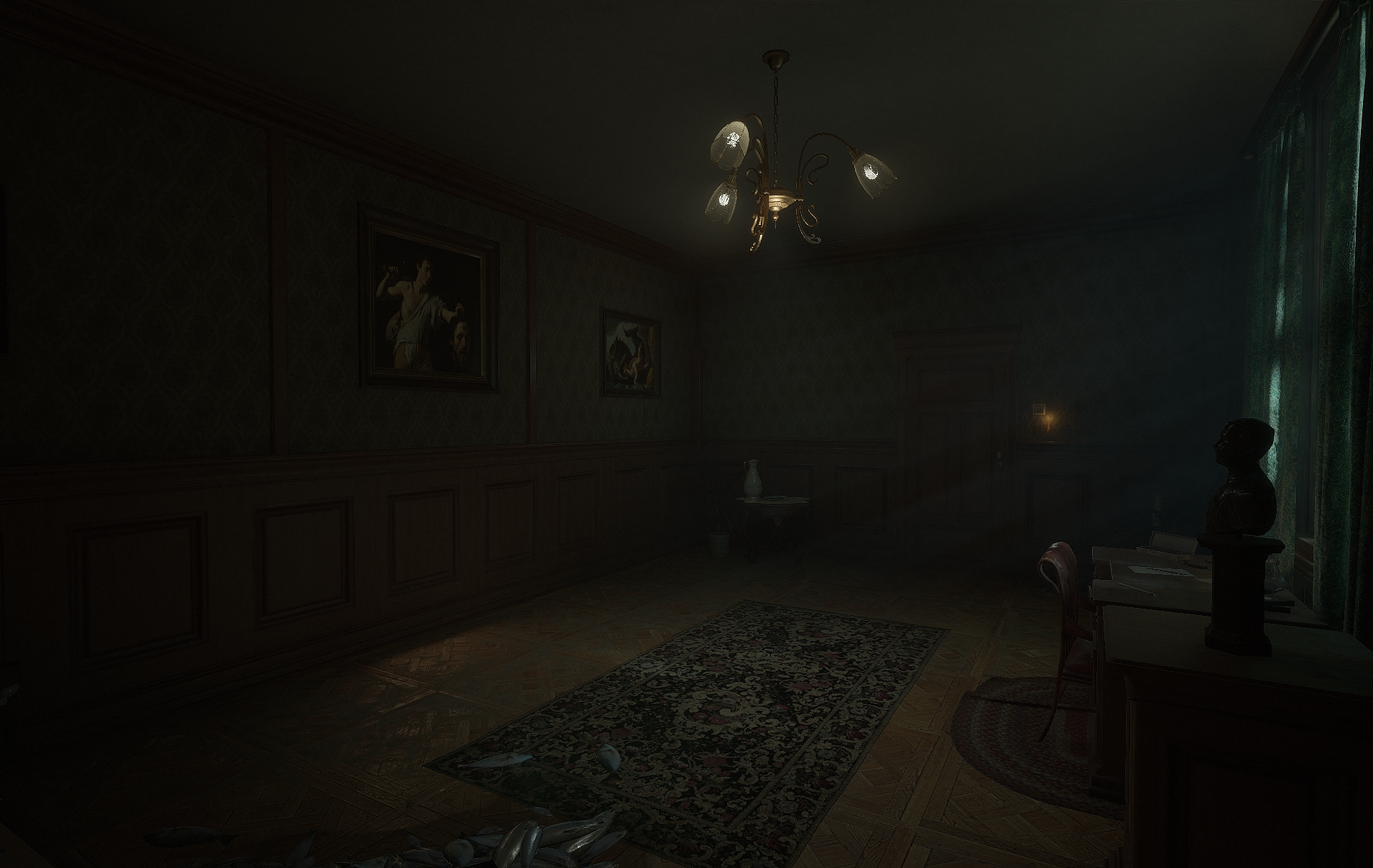
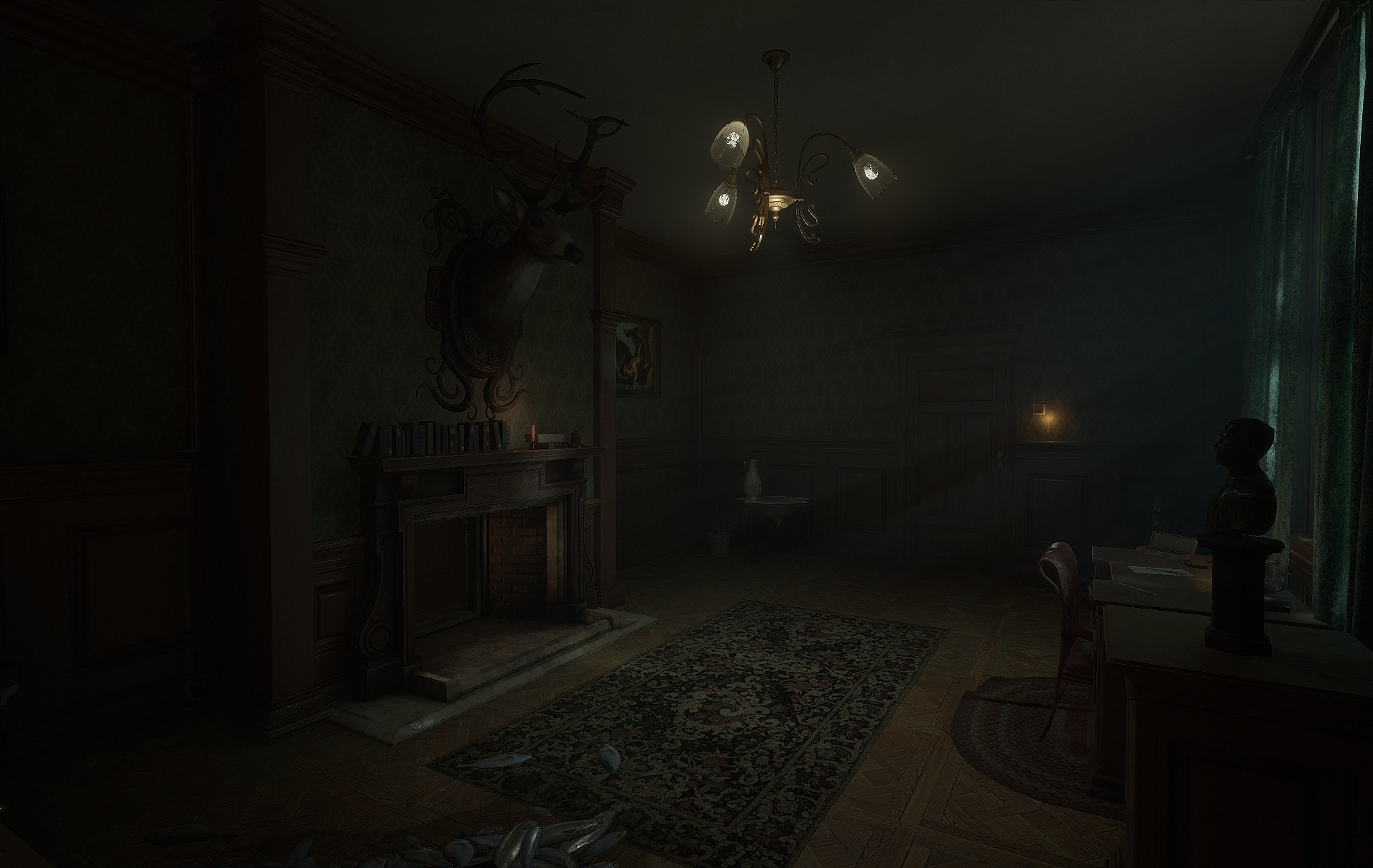
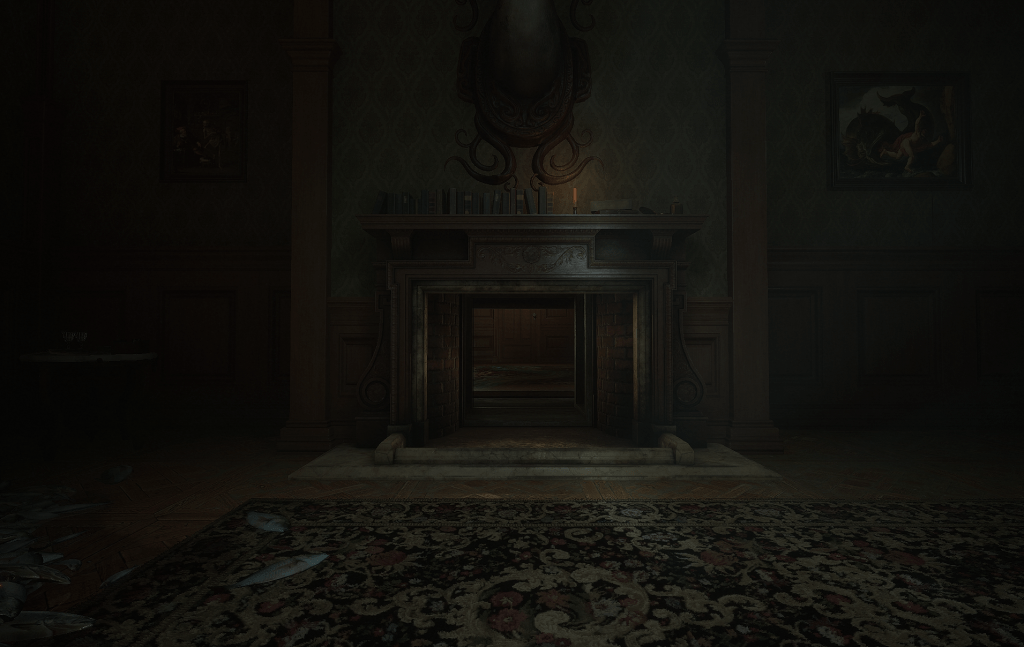
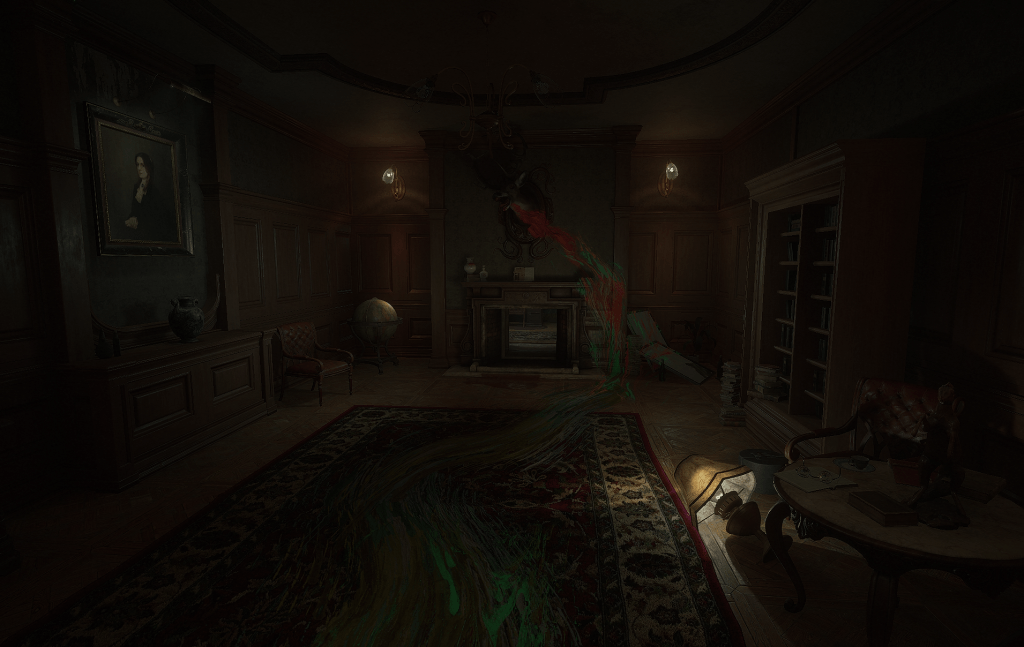
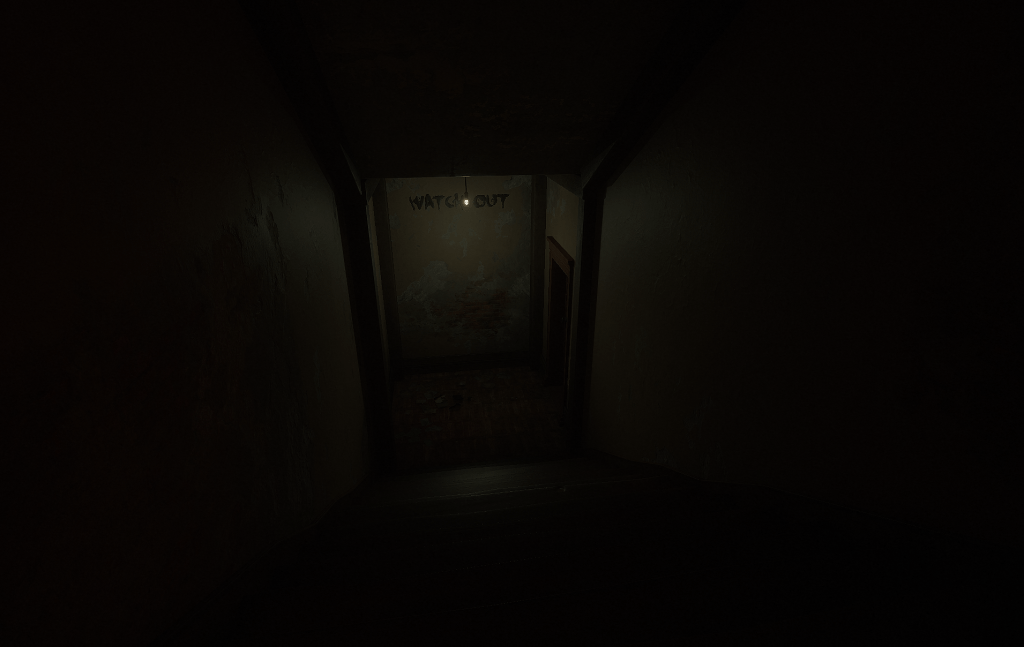
The ending features two interactions and squeezing through tight spaces, staged to show the first encounter with the wife in her twisted form and to introduce the horror angle that will escalate as the story progresses.
Chapter 6
Here, similarly to Ch1 and Ch5, I was responsible for the baseline and the technical setup. In addition, I was responsible for iterating the sequence with the Rat Queen painting so it would be more engaging for the player, and for the chapter ending, where we moved away from the checkers sequence known from the original — it was incomprehensible to most players — and went for a kind of memory lane: a stairwell that touches on all the key rooms from the individual chapters. Descending represented the protagonist’s descent into madness. I also proposed the format of the final combat level with the wife character, taking place in a twisted version of the Main Hub.
Rat Queen painting sequence
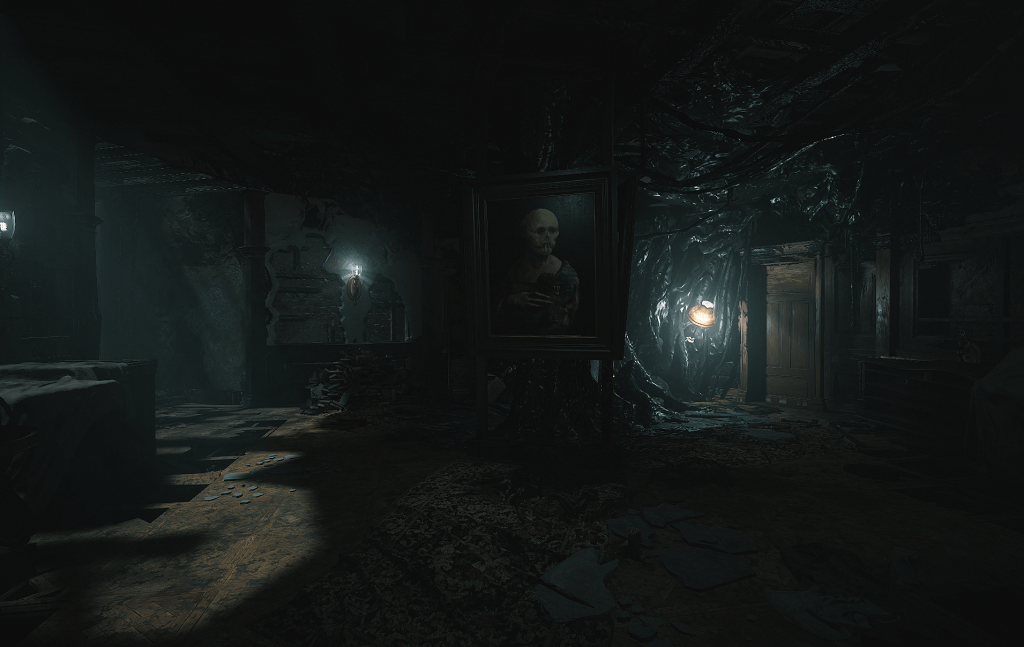
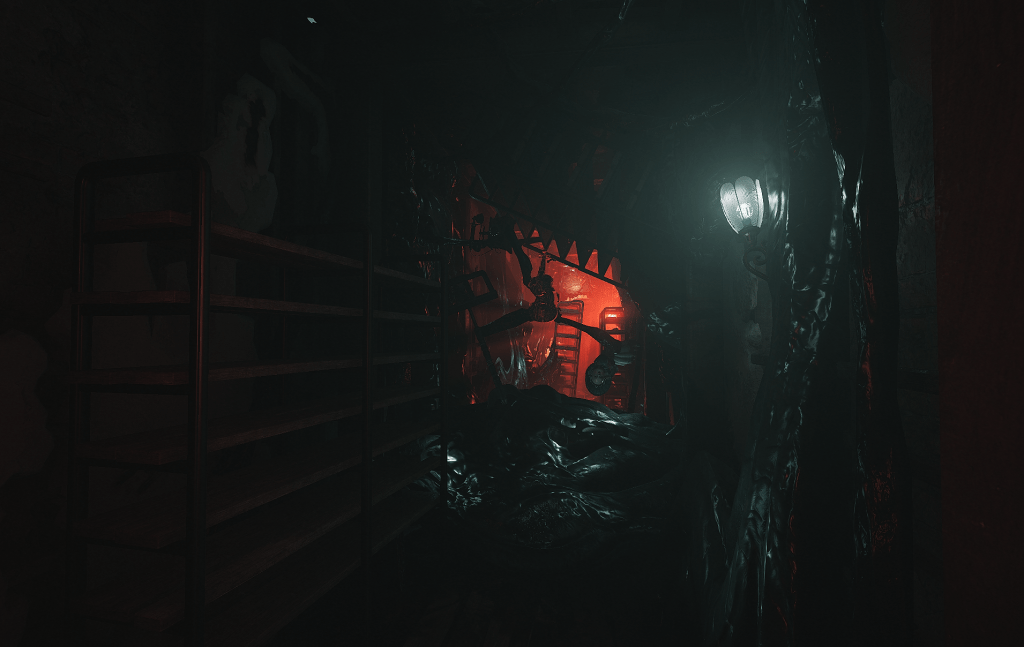
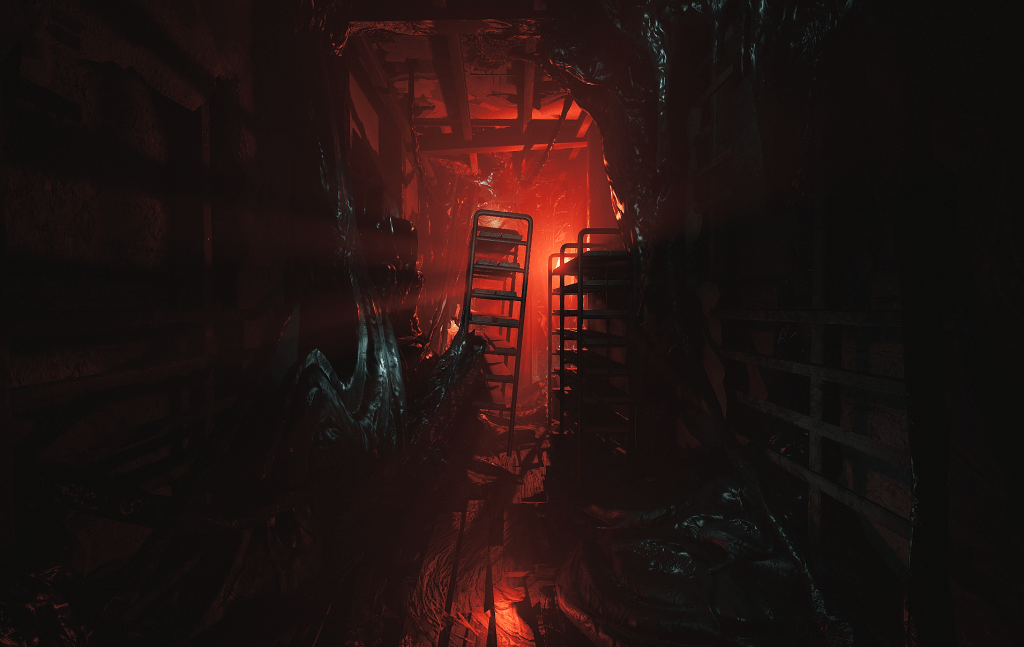
The original sequence was too long, and the encounter with the wife as an enemy felt unsatisfying – players chose either to approach her or retreat back to the room (escape her). We reworked the encounter’s format: the sequence begins similarly – paintings start shaking, fall off the structure, and we see rats running toward the exit. Those rats are fleeing from the Wife, triggering a short combat where the player must escape, destroying Light Sensitive Objects along the way to clear a path. At the end, the player has to squeeze between shelves to evade the Wife, which ends the combat sequence.

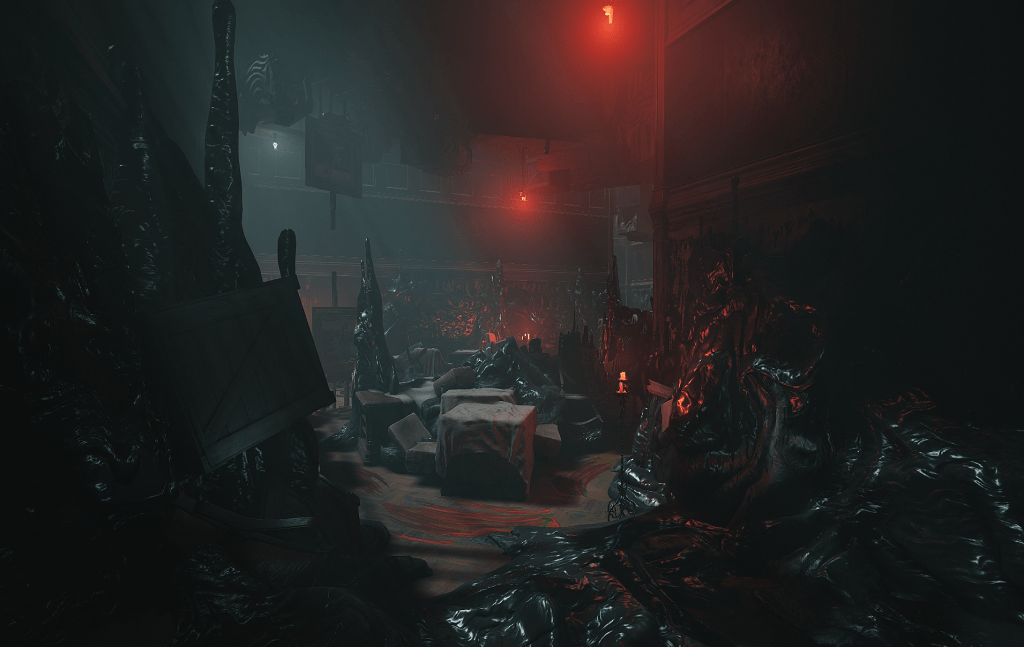
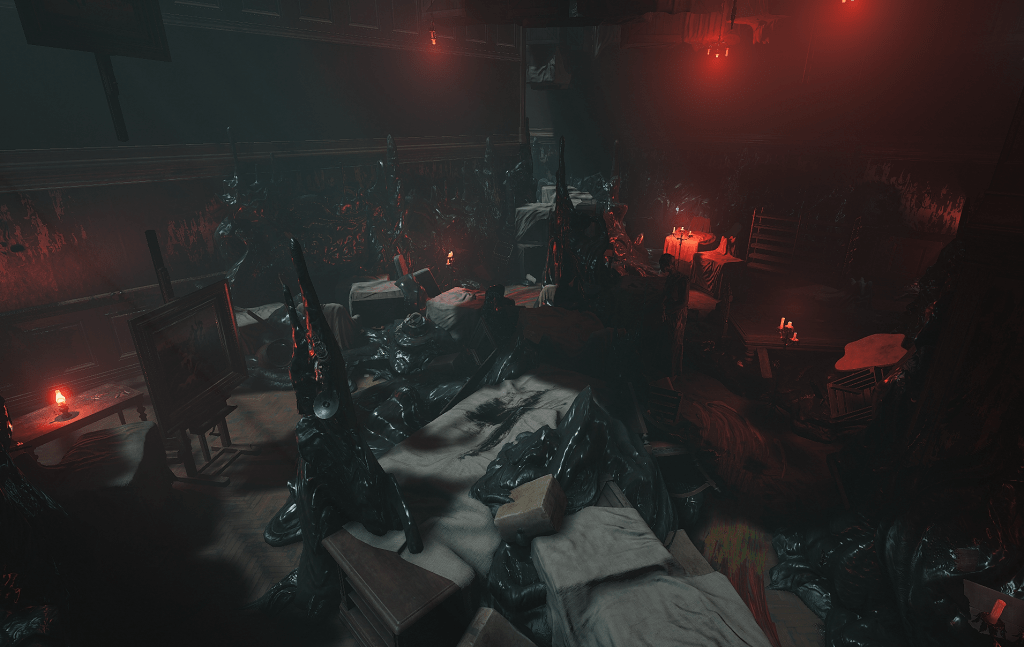
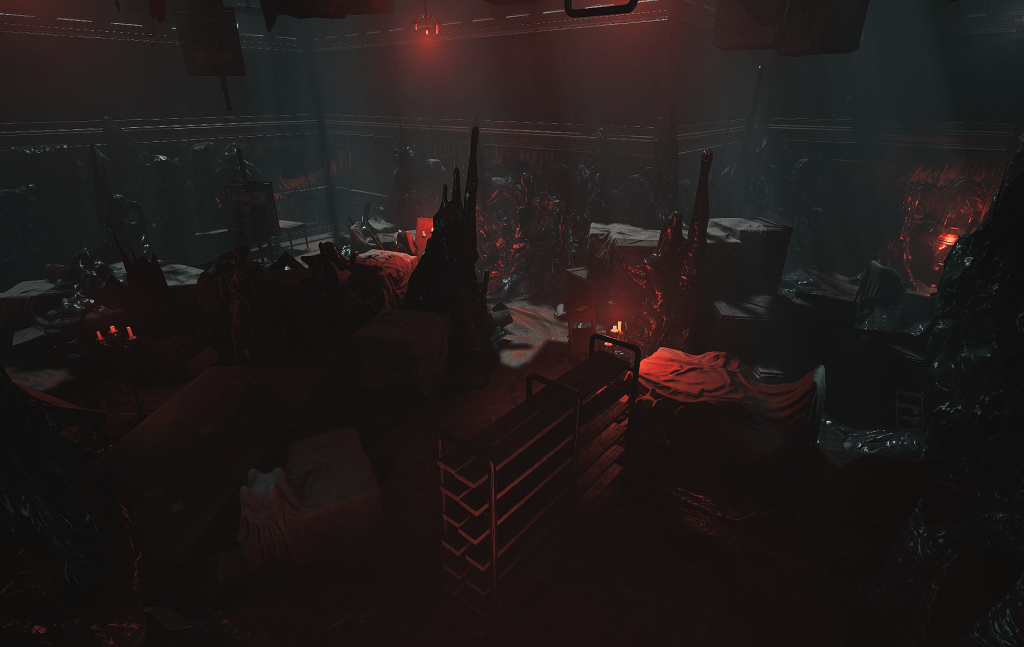
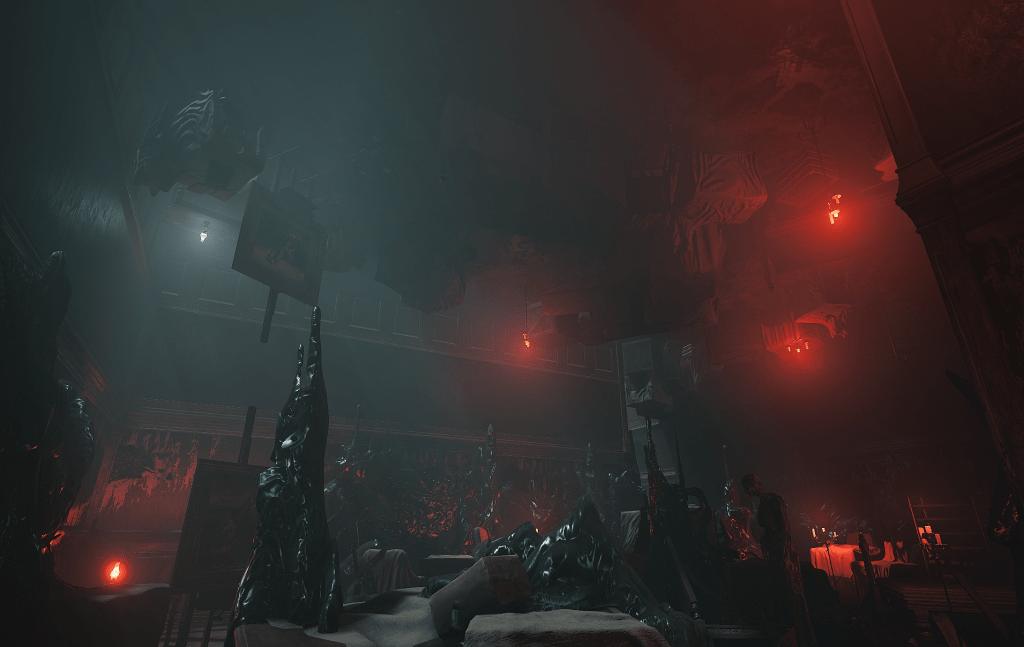
Labyrinth Room
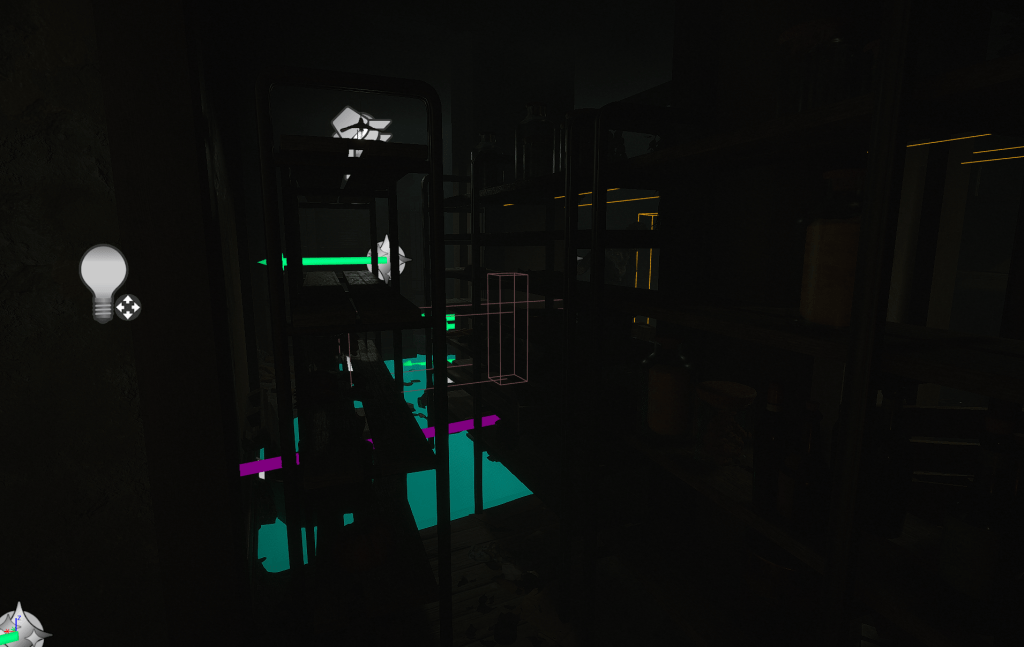
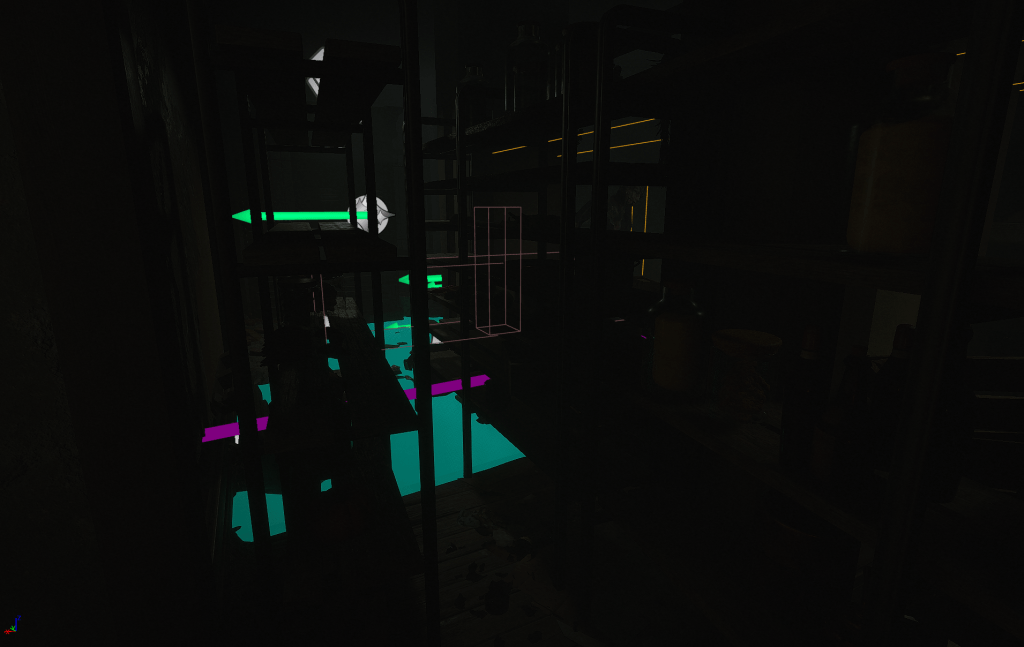
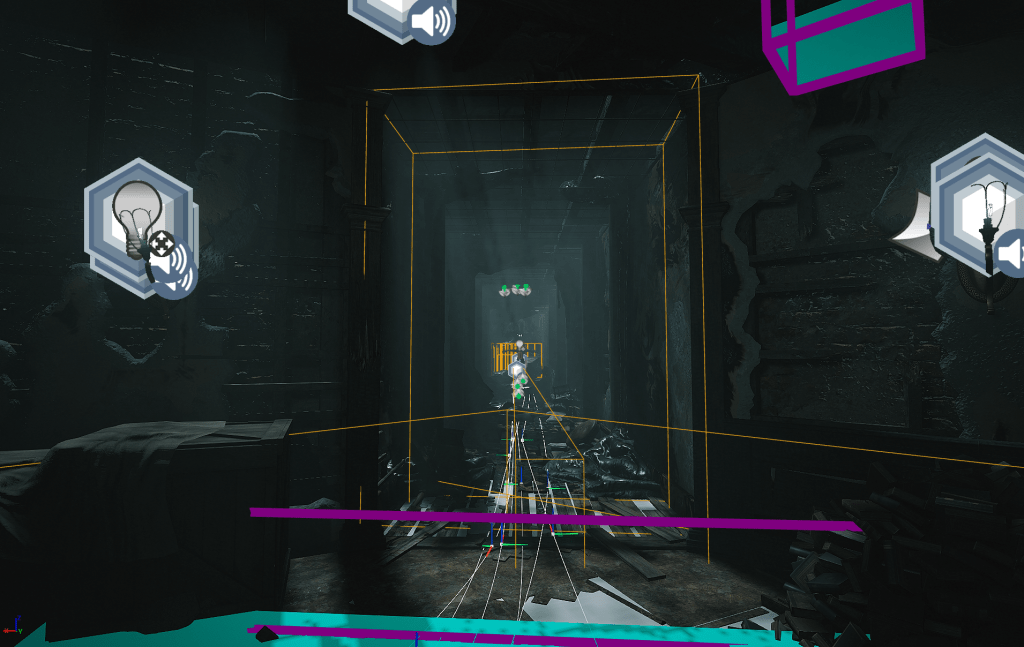
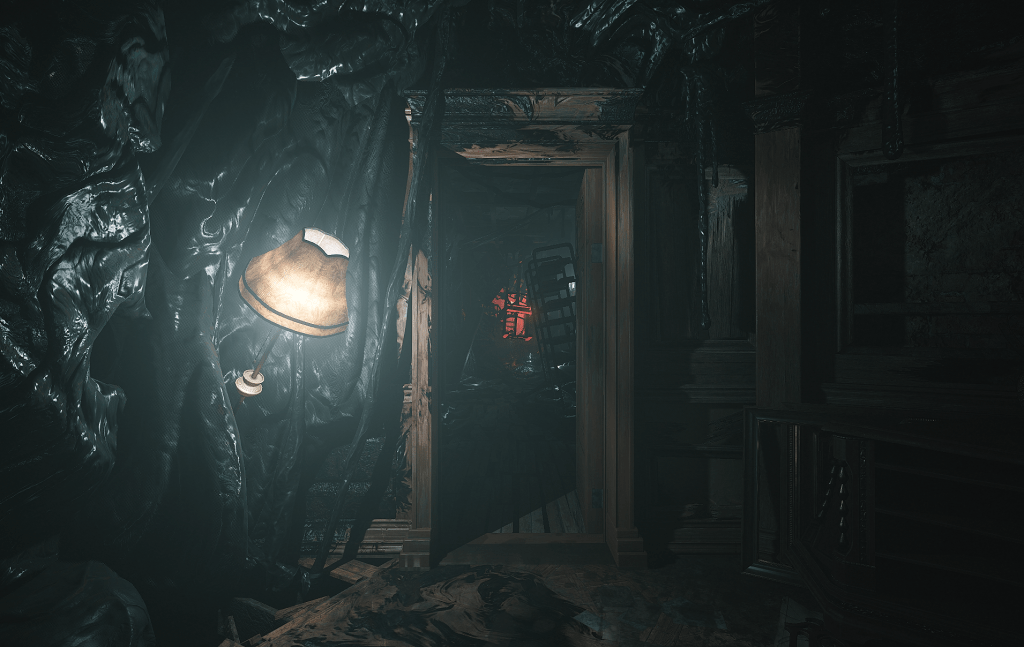
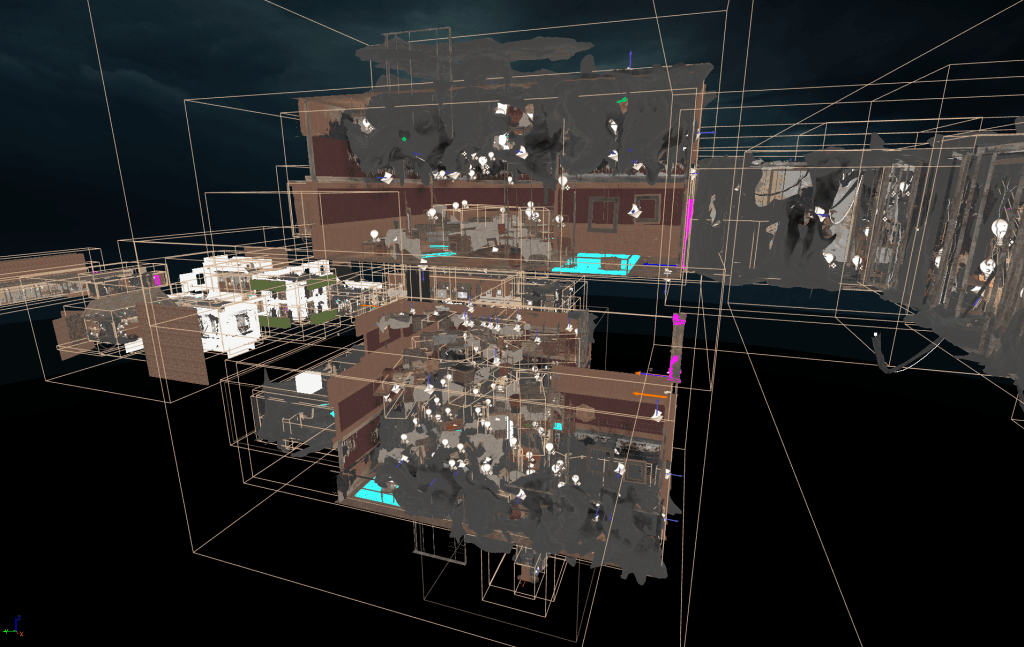
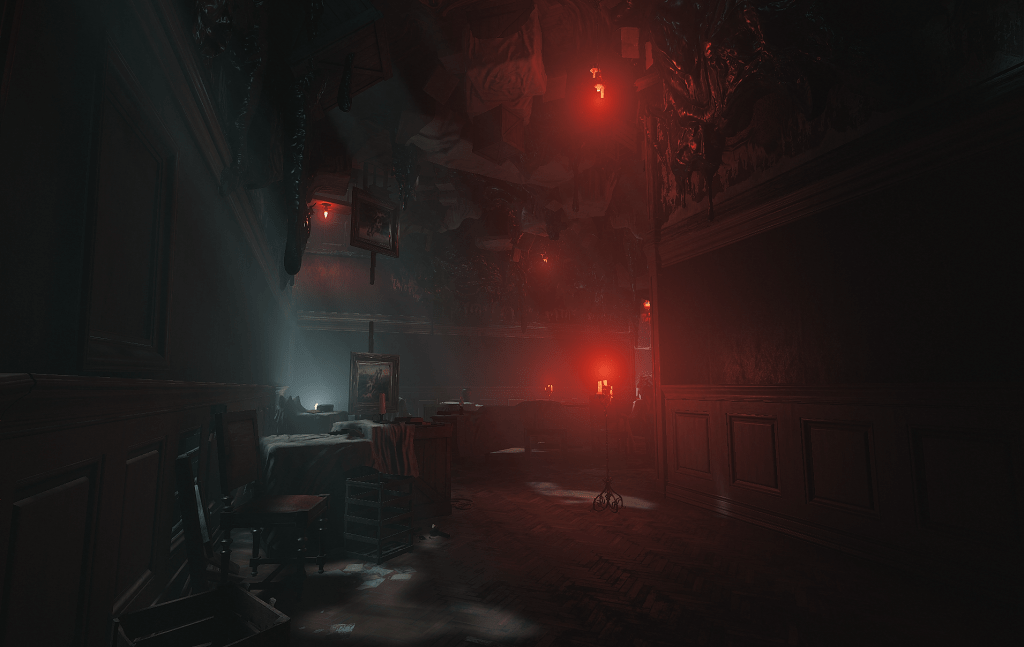
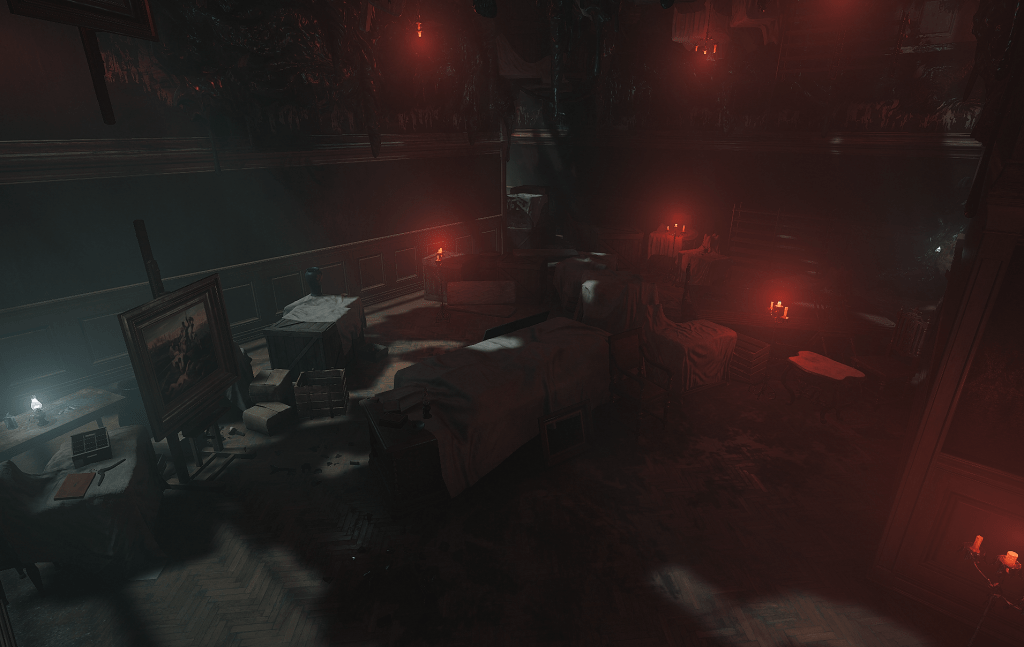
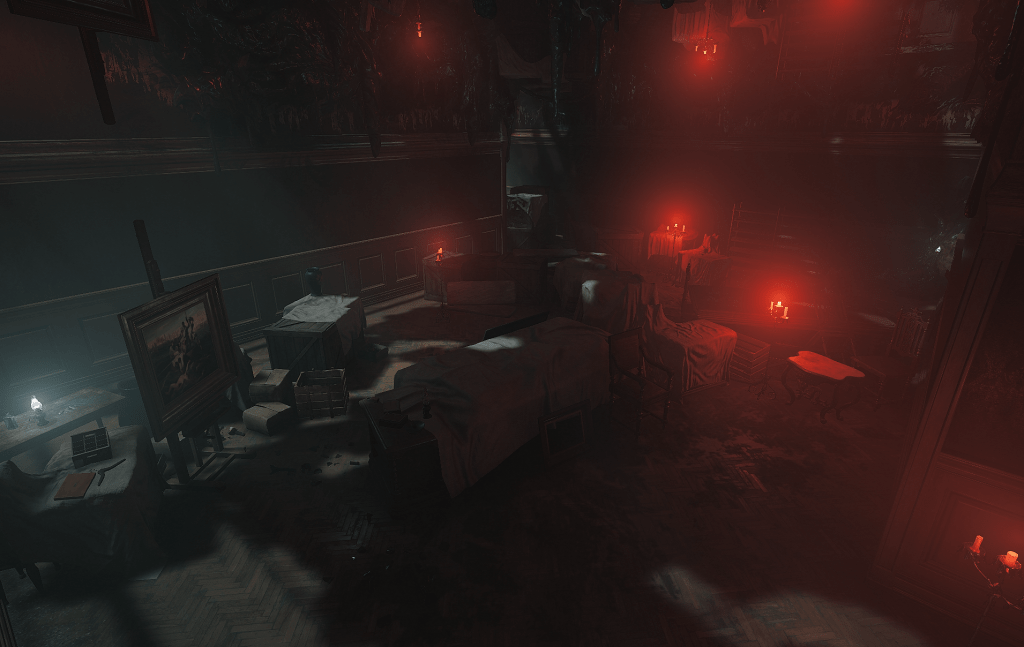
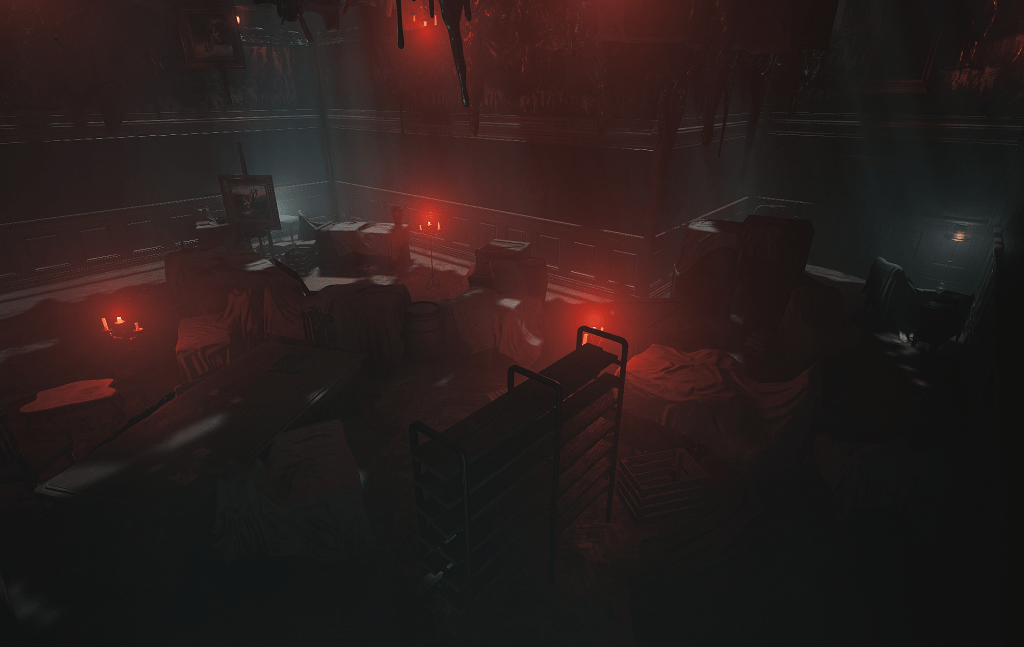
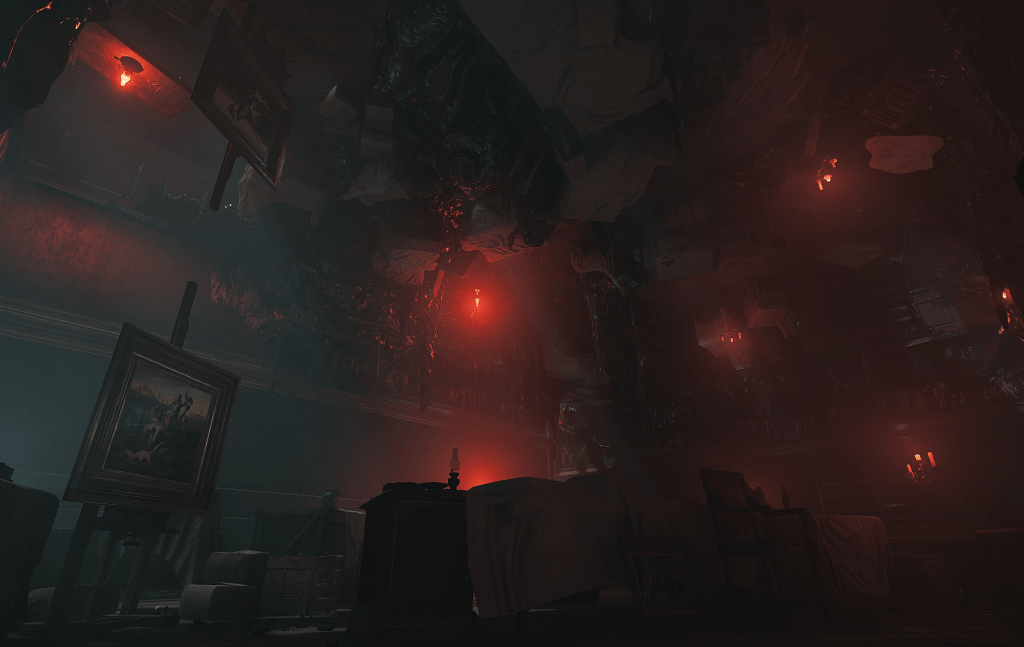
This is a new room in the game – the core idea was to guide players to the exit by “switching” between the lower and upper (more destroyed) versions of the room. Using Light Sensitive Objects transports players to the alternative version of the space.
Chapter 6 Final sequence
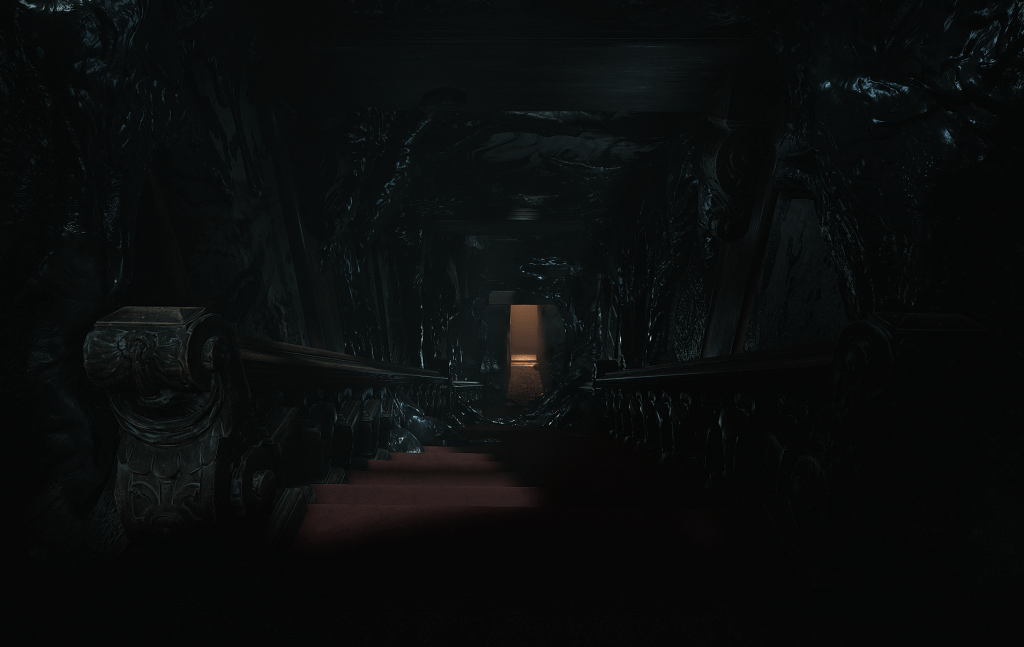
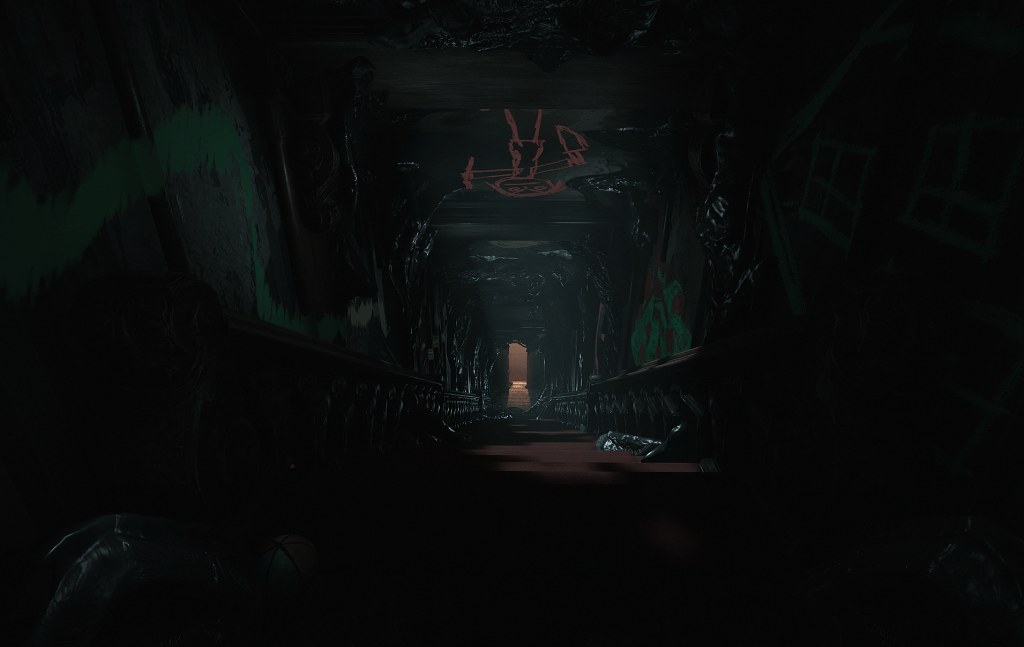
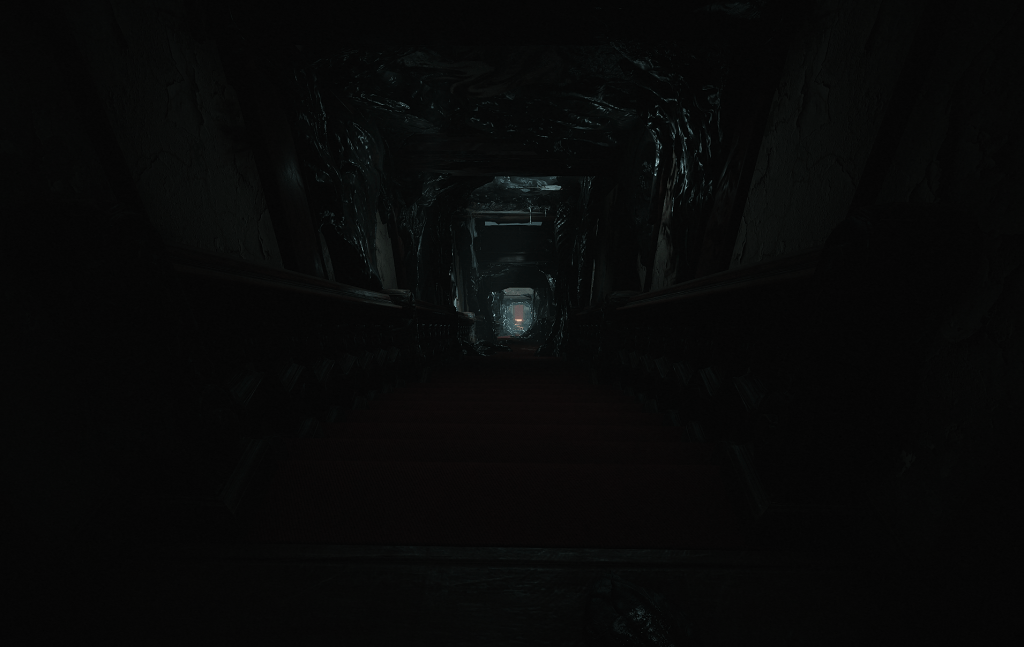
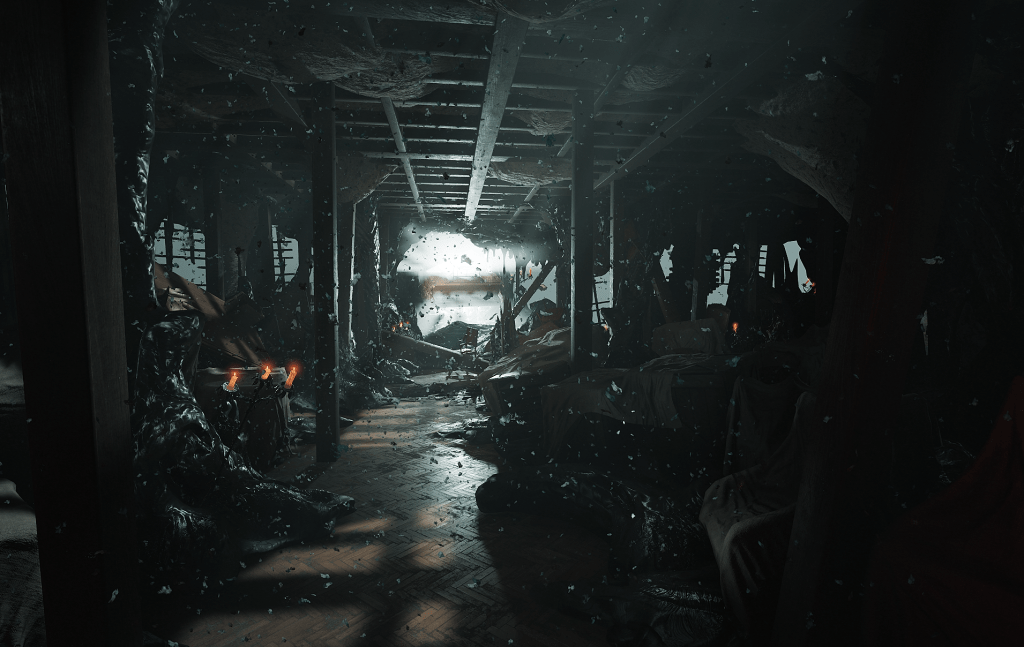
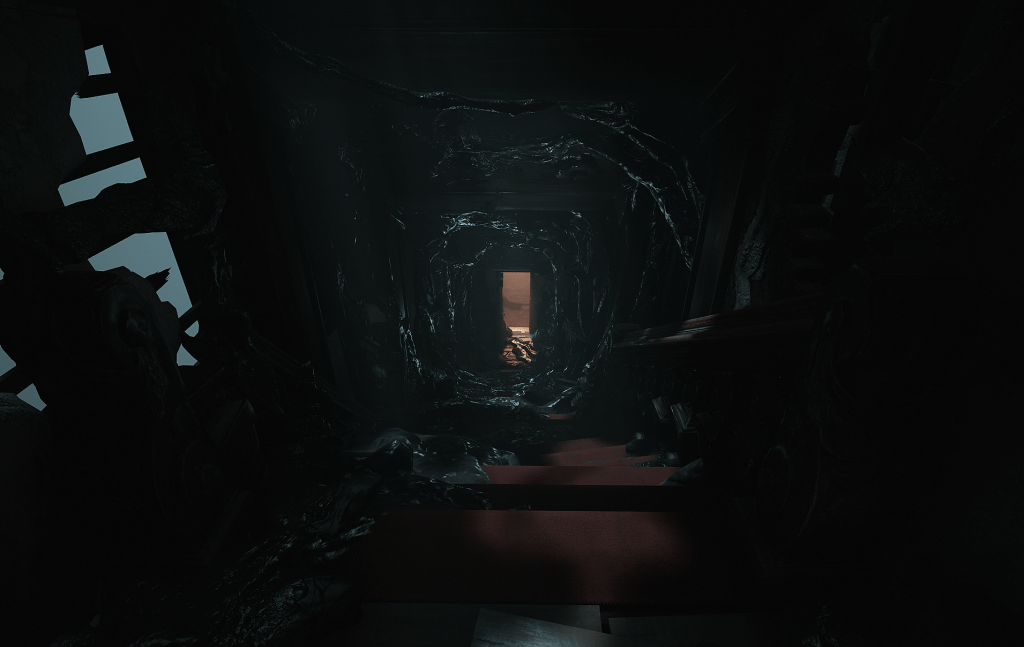
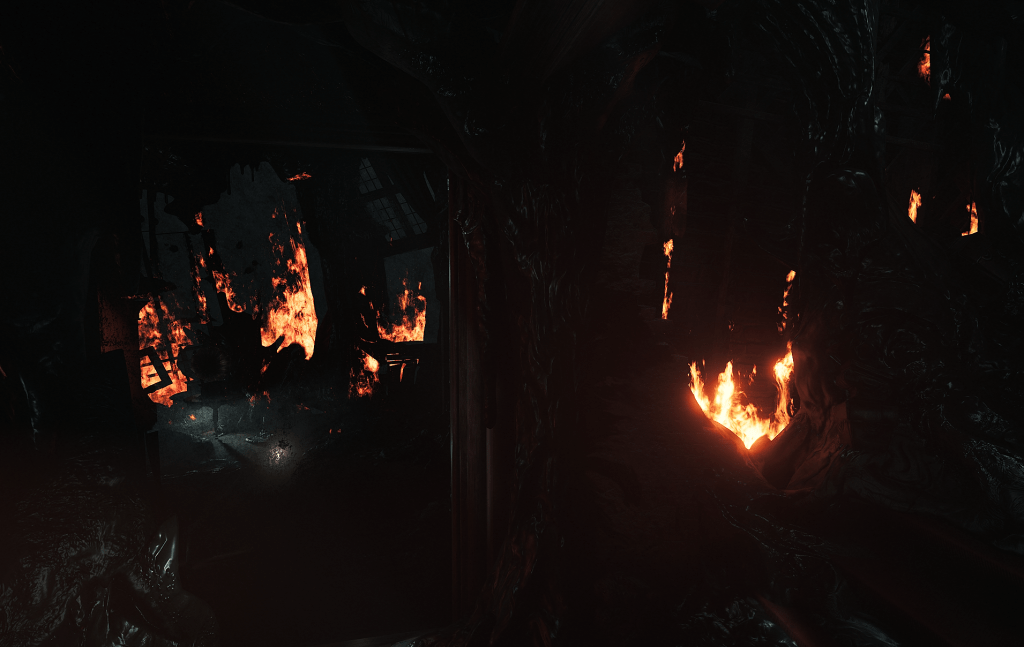
We simplified the final sequence into a kind of memory lane – players descend while VO (voice-over) reflects the choices made throughout the game. They revisit key rooms from previous chapters in reverse order, from the end back to the beginning. The downward movement is symbolic, suggesting the protagonist’s complete descent into madness.
CHAPTER 3
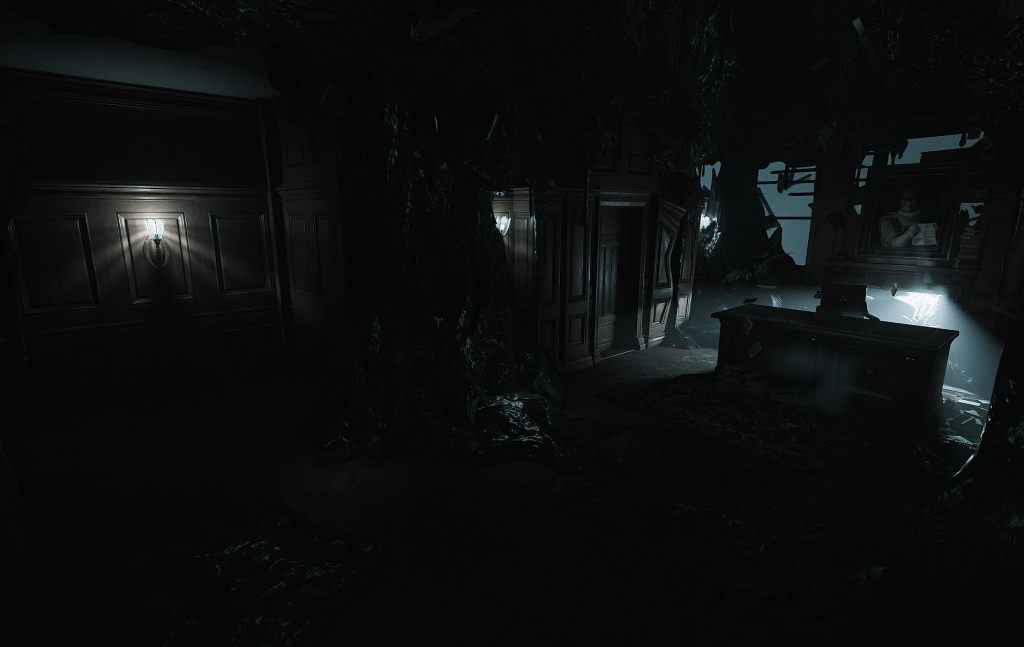
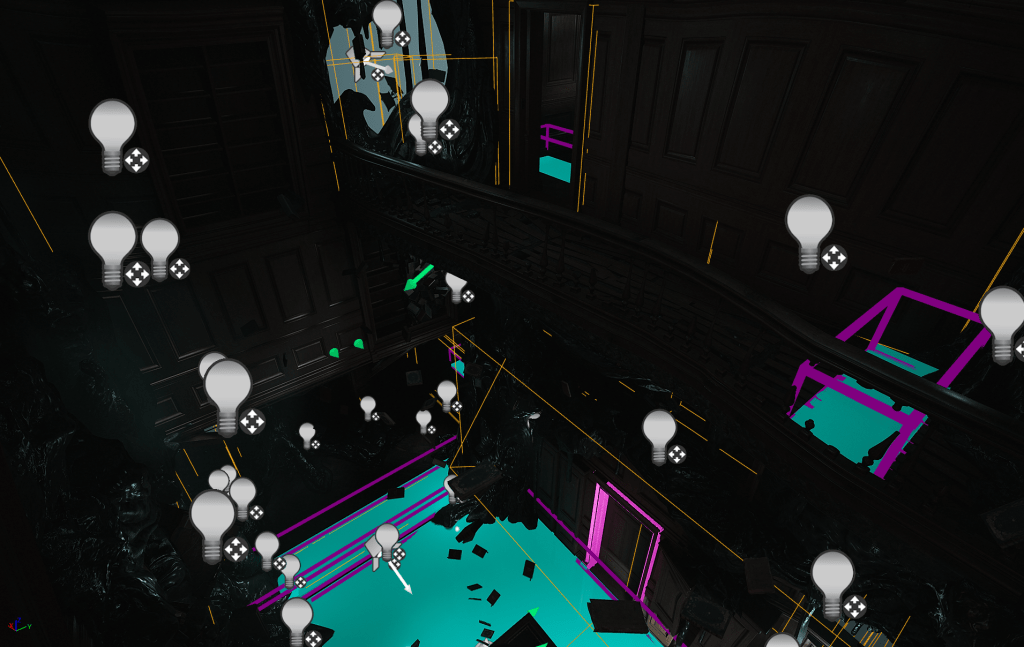
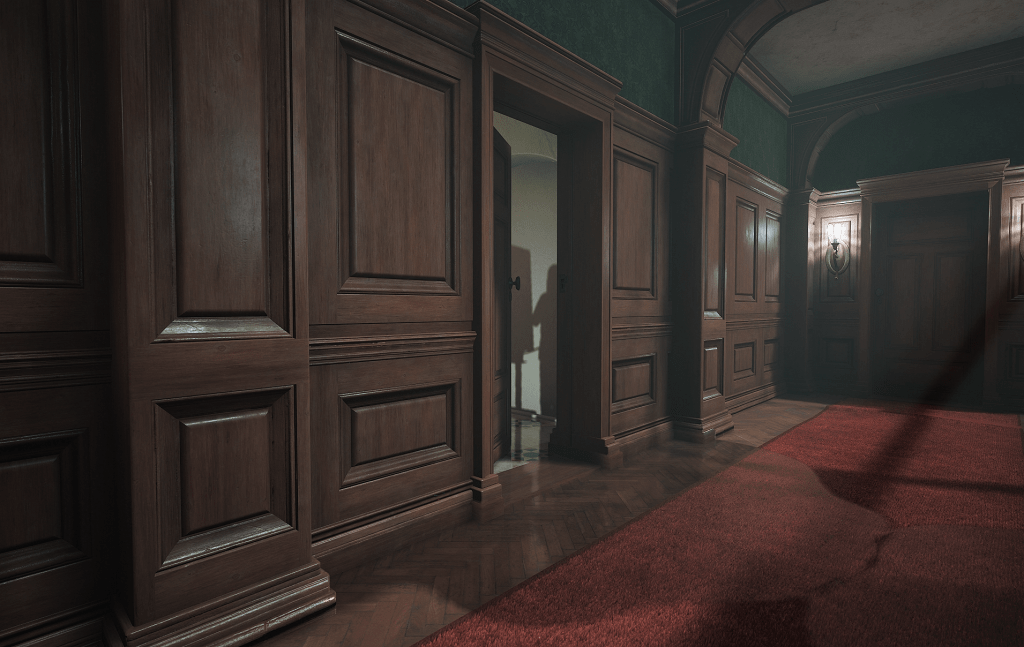
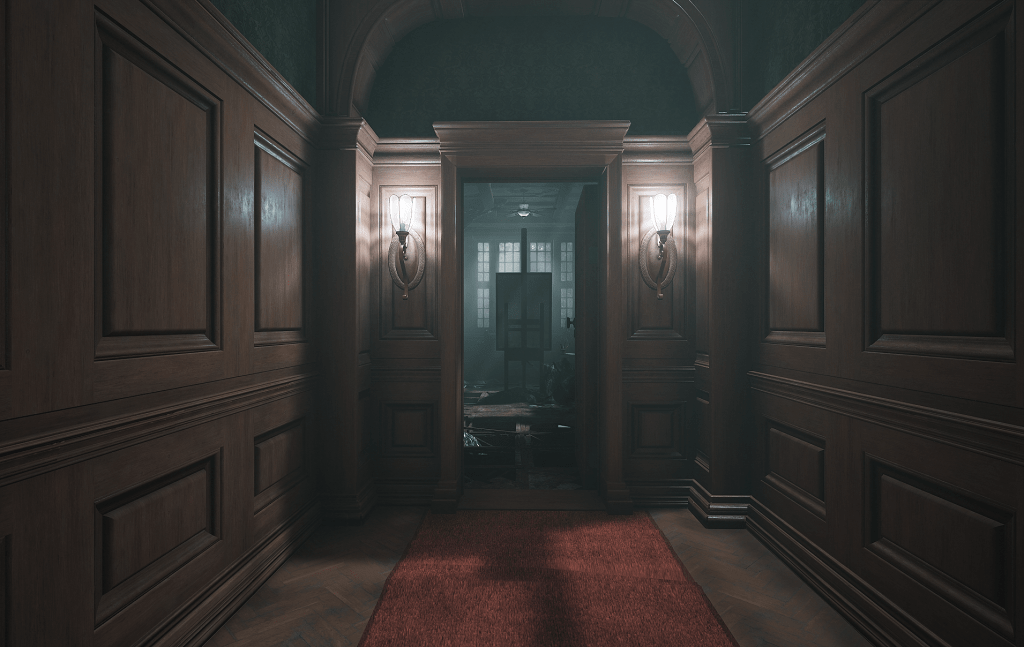
In this case the level baseline had already been created and several events were pre‑scripted. My main tasks for this chapter were the technical setup — e.g., setting up teleports, loops, overall level flow and streaming — and a mood pass, meaning placement of smaller and medium horror events such as falling elements, collapsing furniture, changing scene elements, etc.
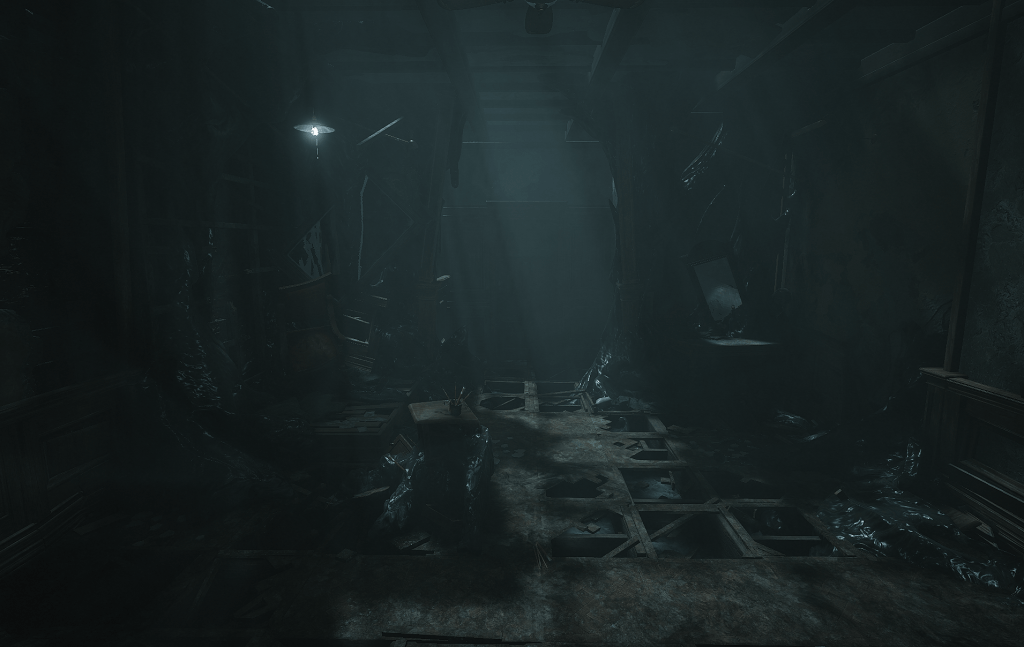
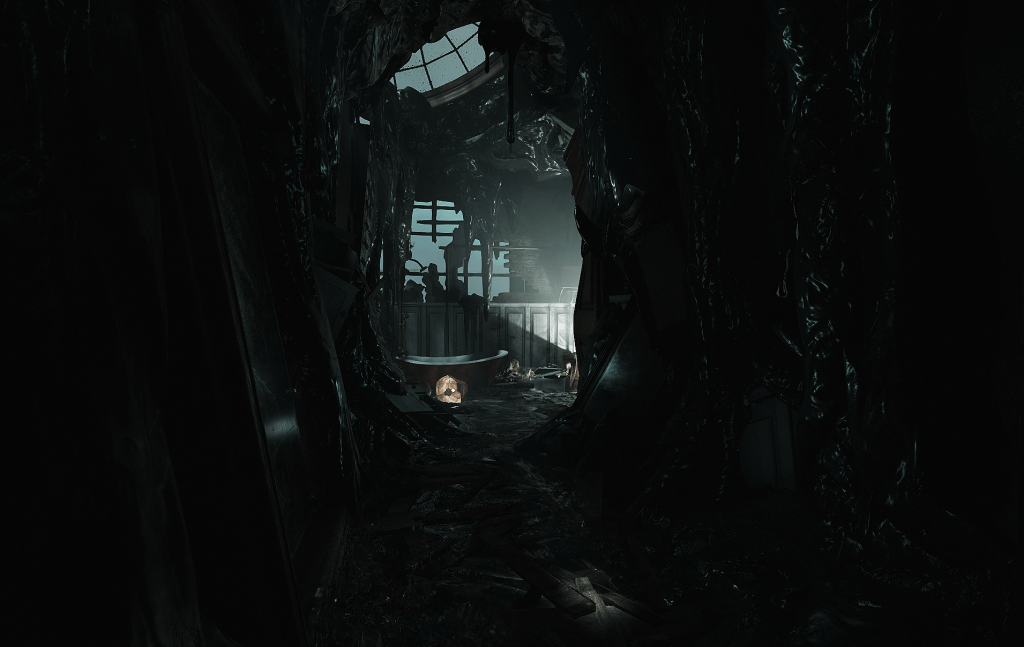
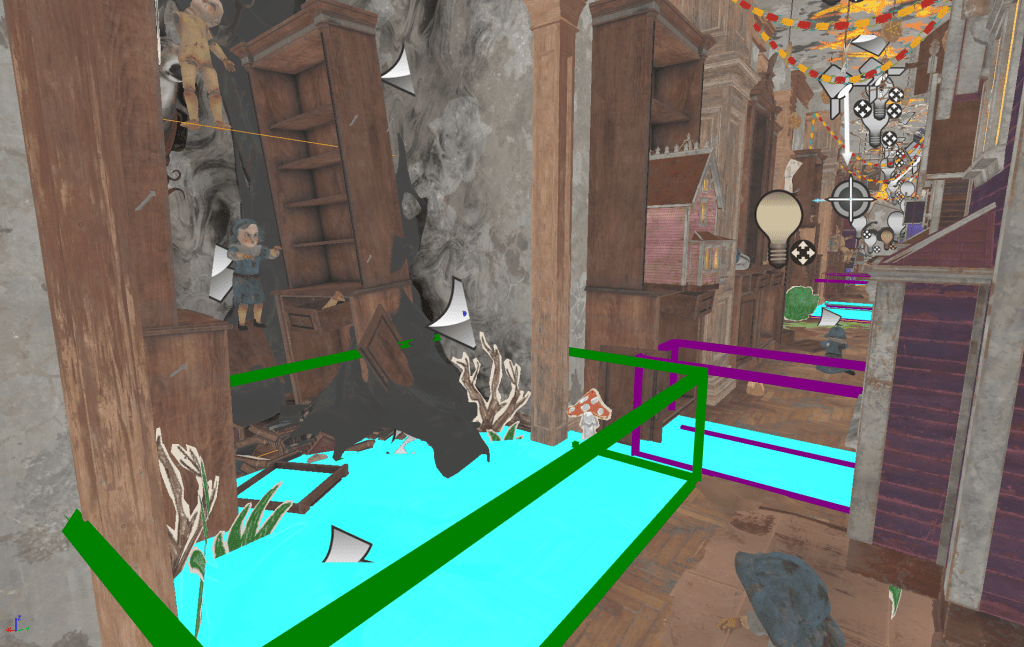
One of the first sequences showcasing destructible objects and introducing the first encounter with the Wife. Upon entering the room, we see the Wife, who vanishes as a lightbulb explodes, which also triggers crates to break apart. Moving through a narrow corridor, we repeatedly encounter destruction. Reaching the spot where she disappeared, we see the Wife through a hole, which triggers the door to slam shut.
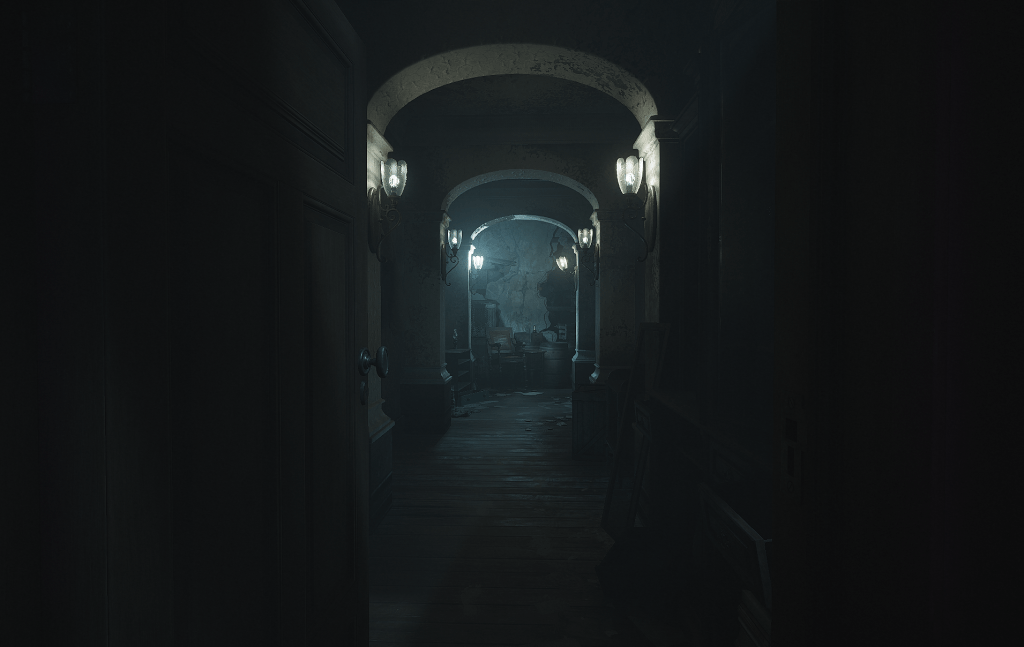
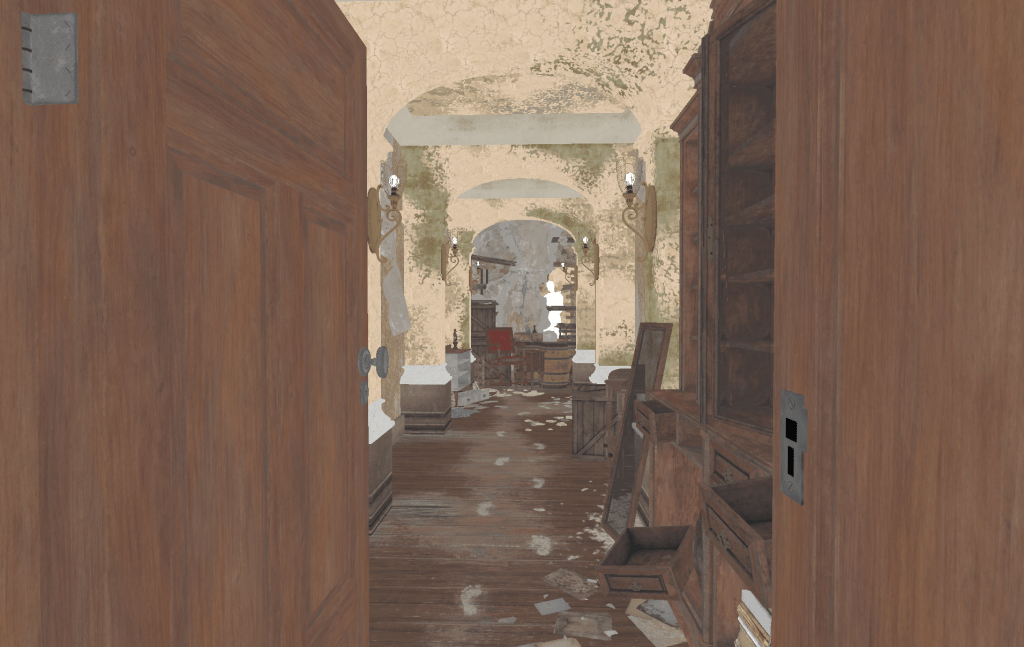
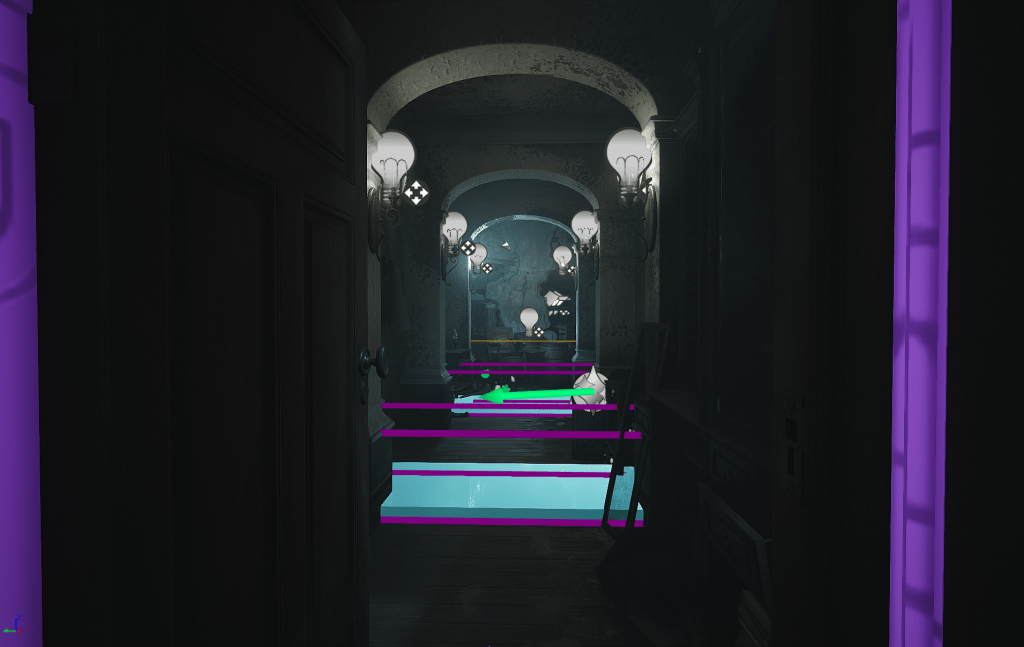
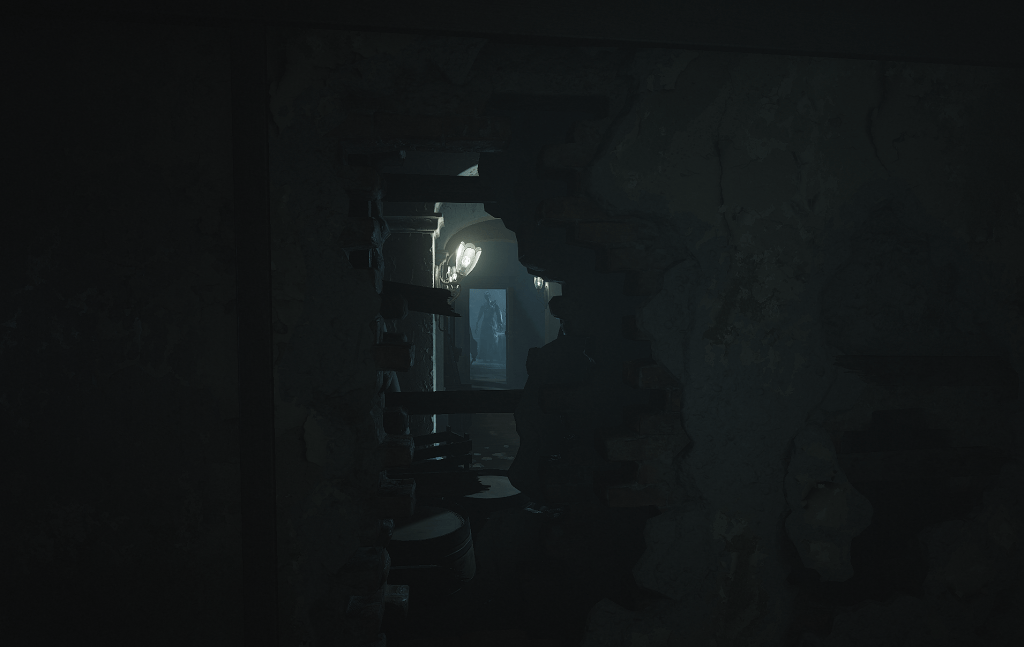
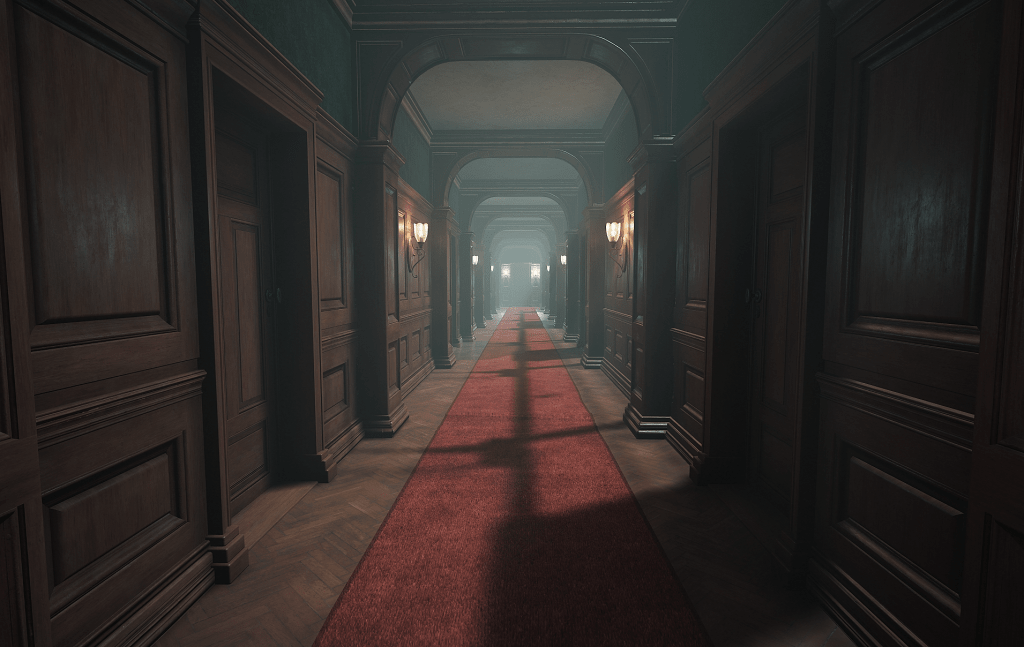
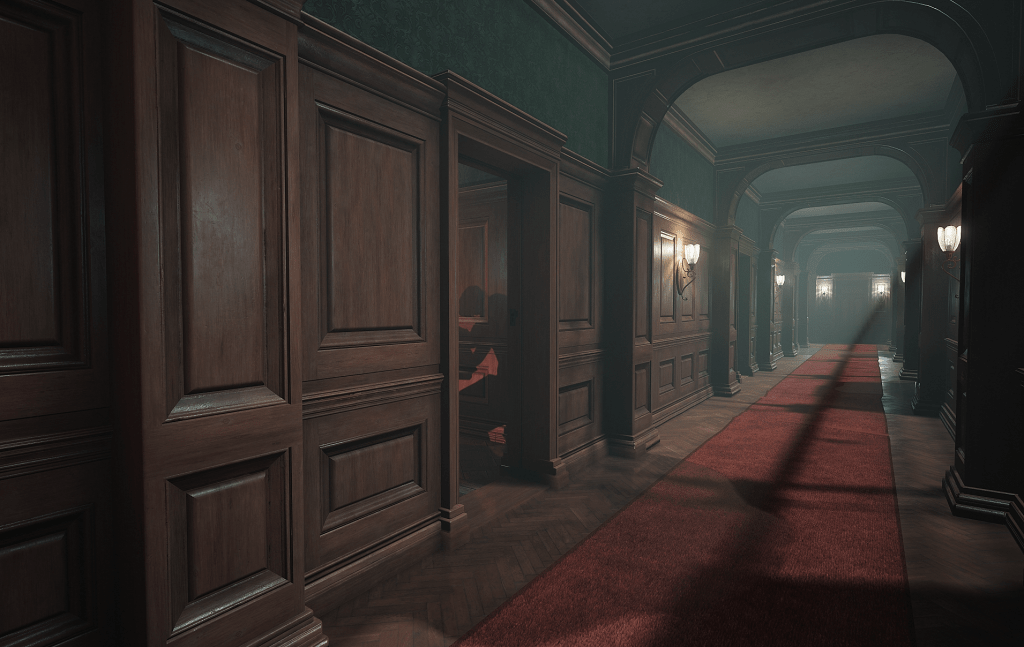
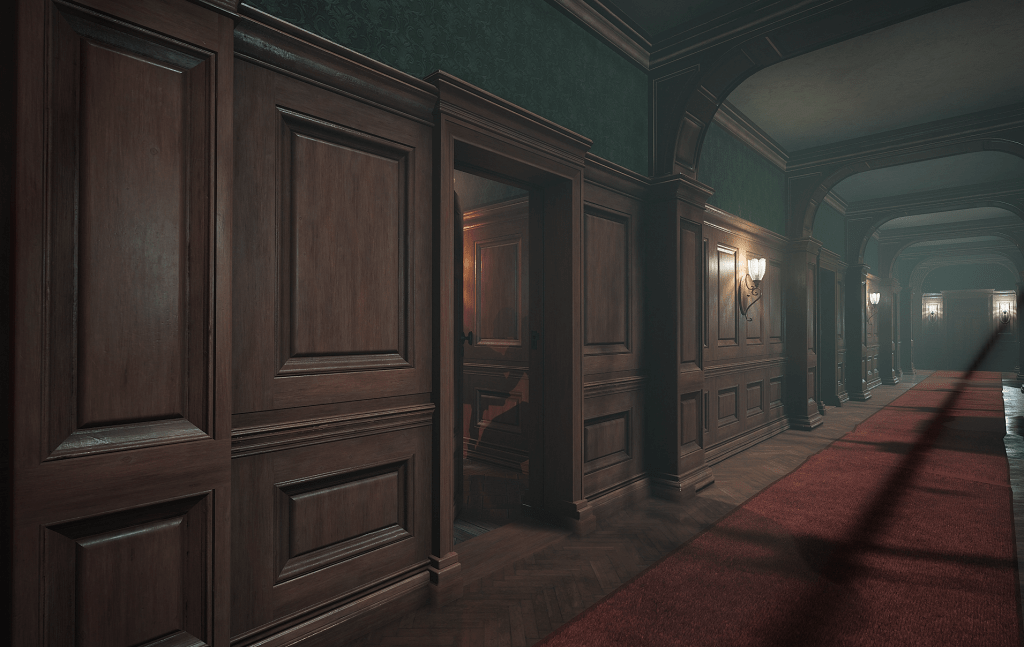
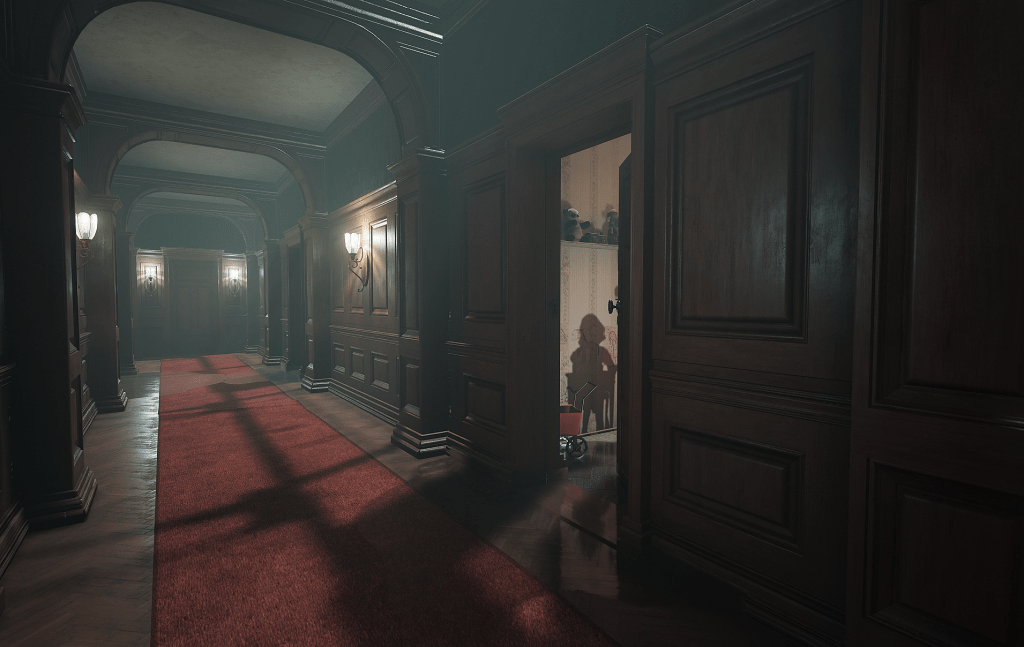
An example of looped corridors where the environment changes with progress and interactions.
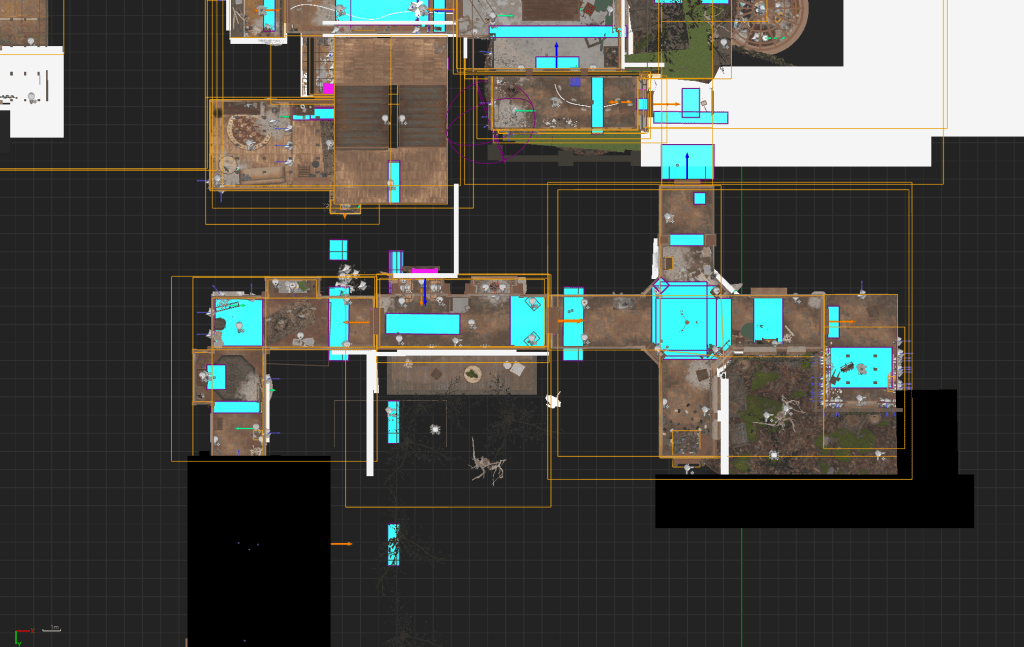
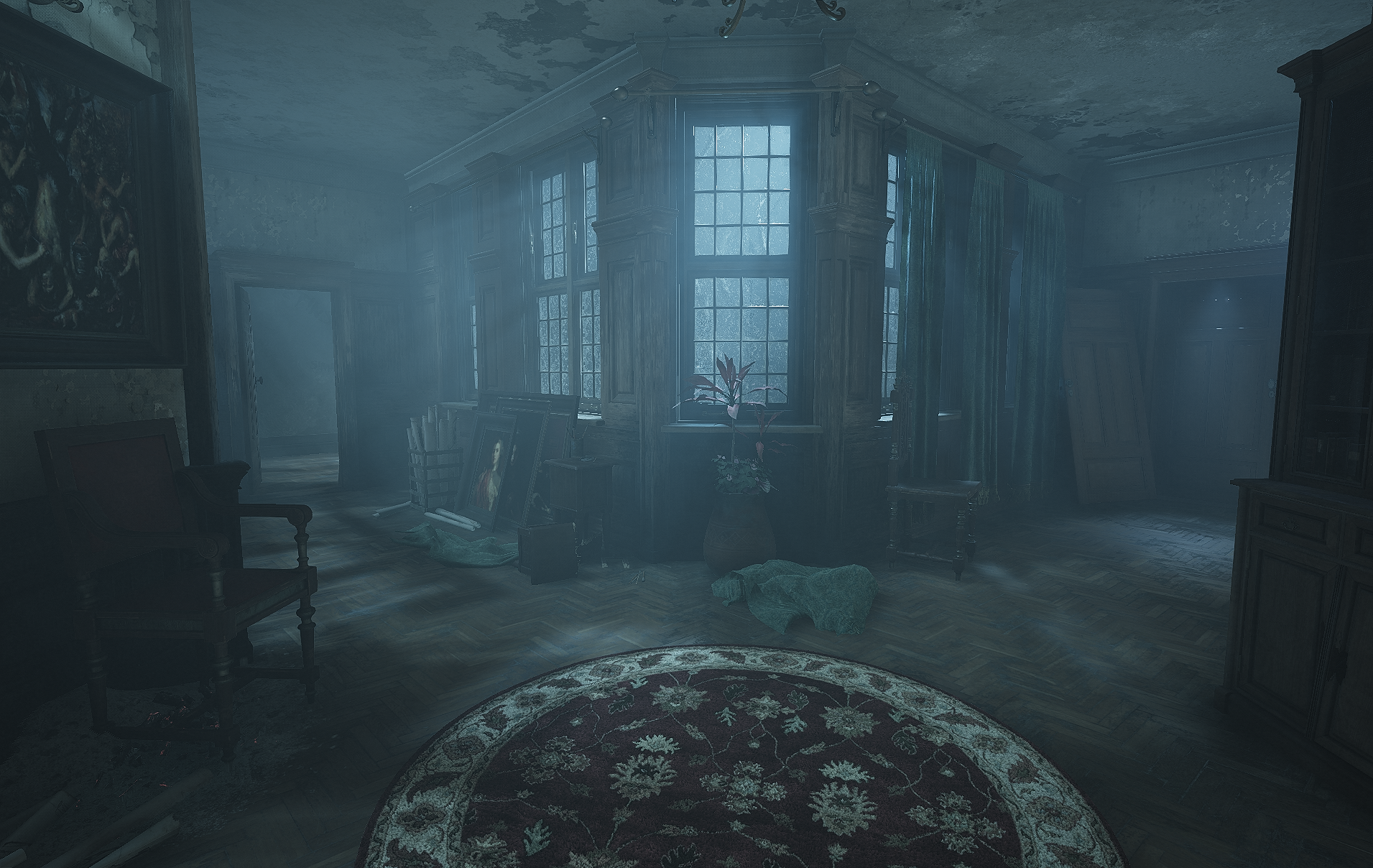
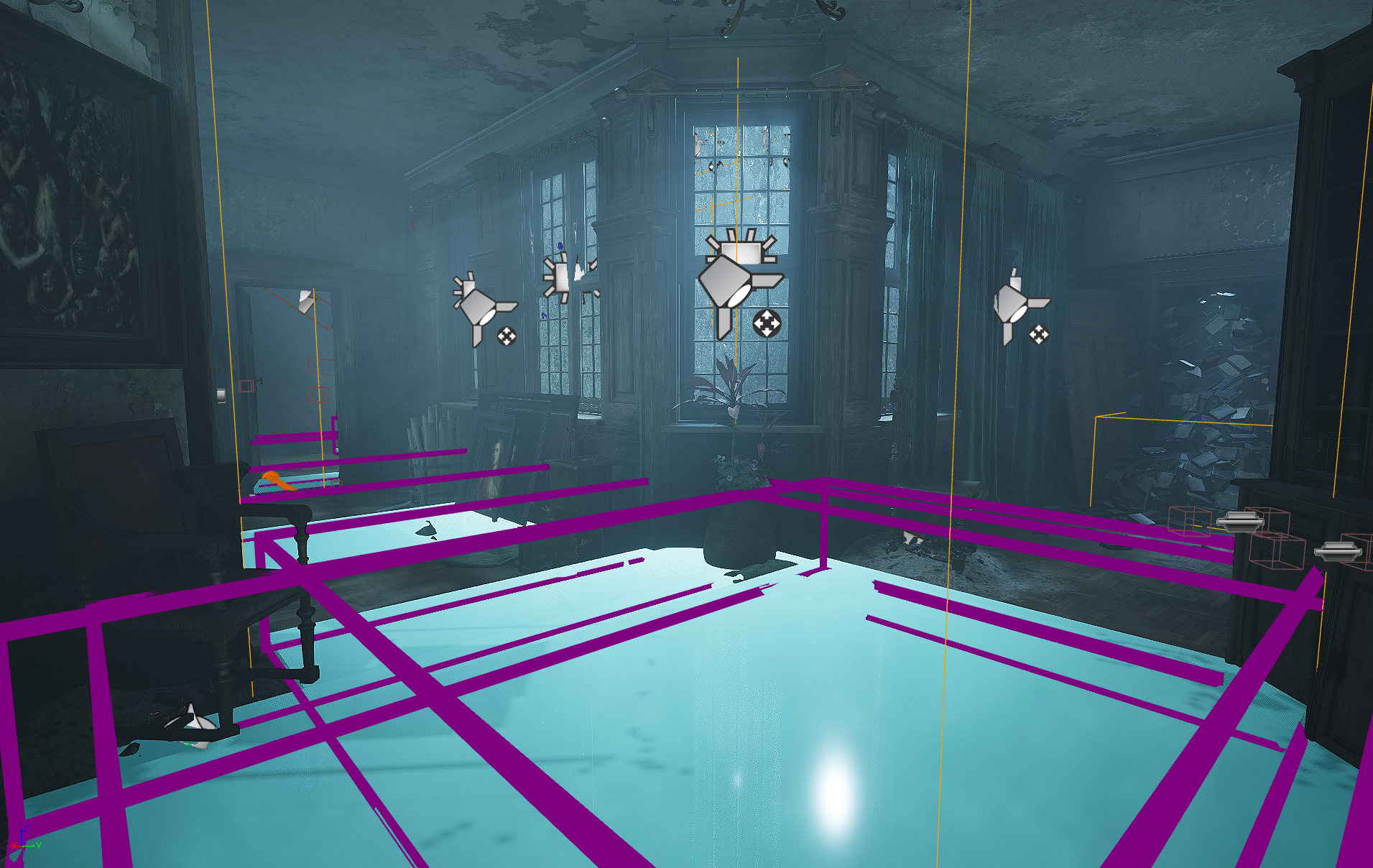
A classic Layers-style environment shift that unlocks new paths.
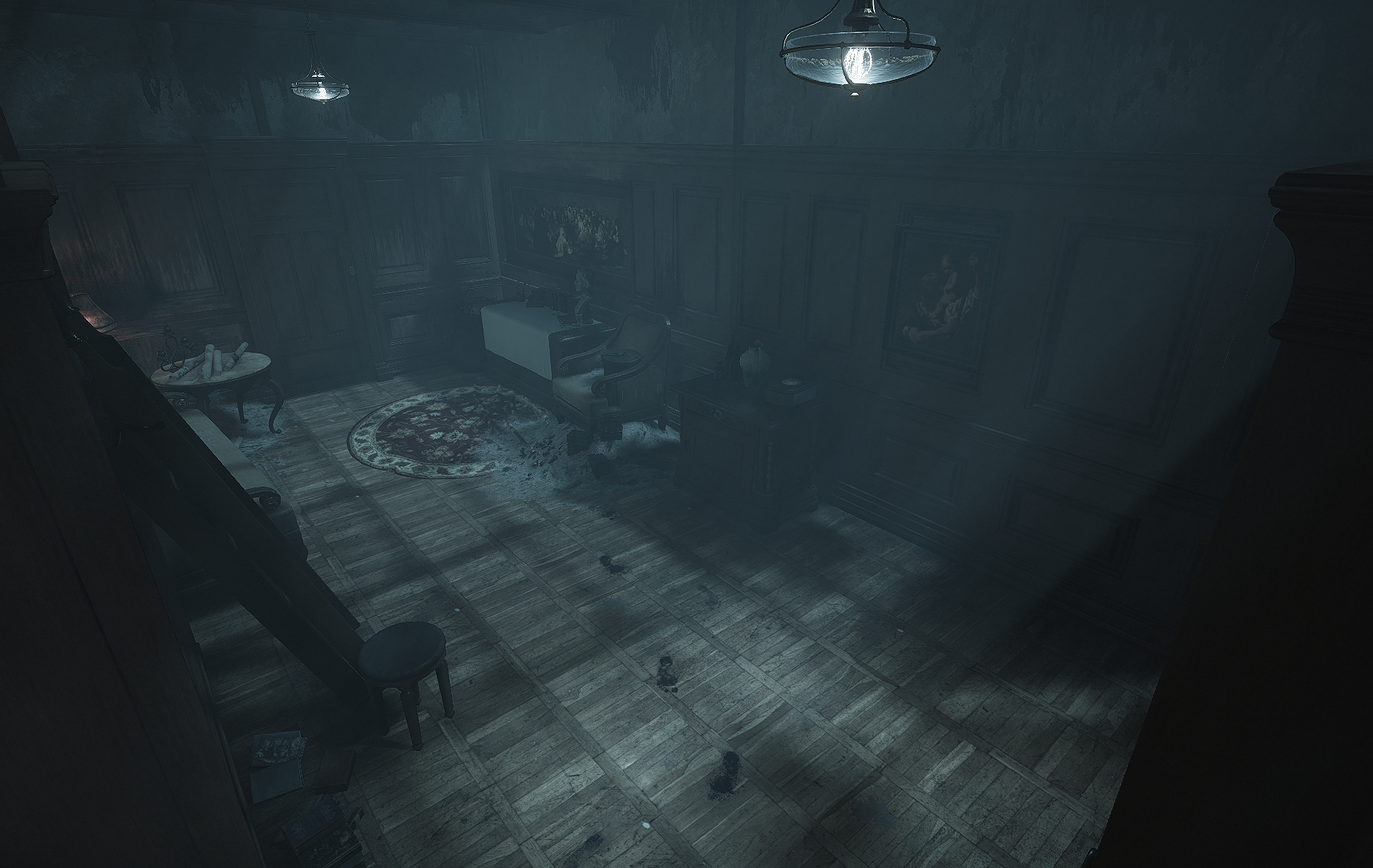
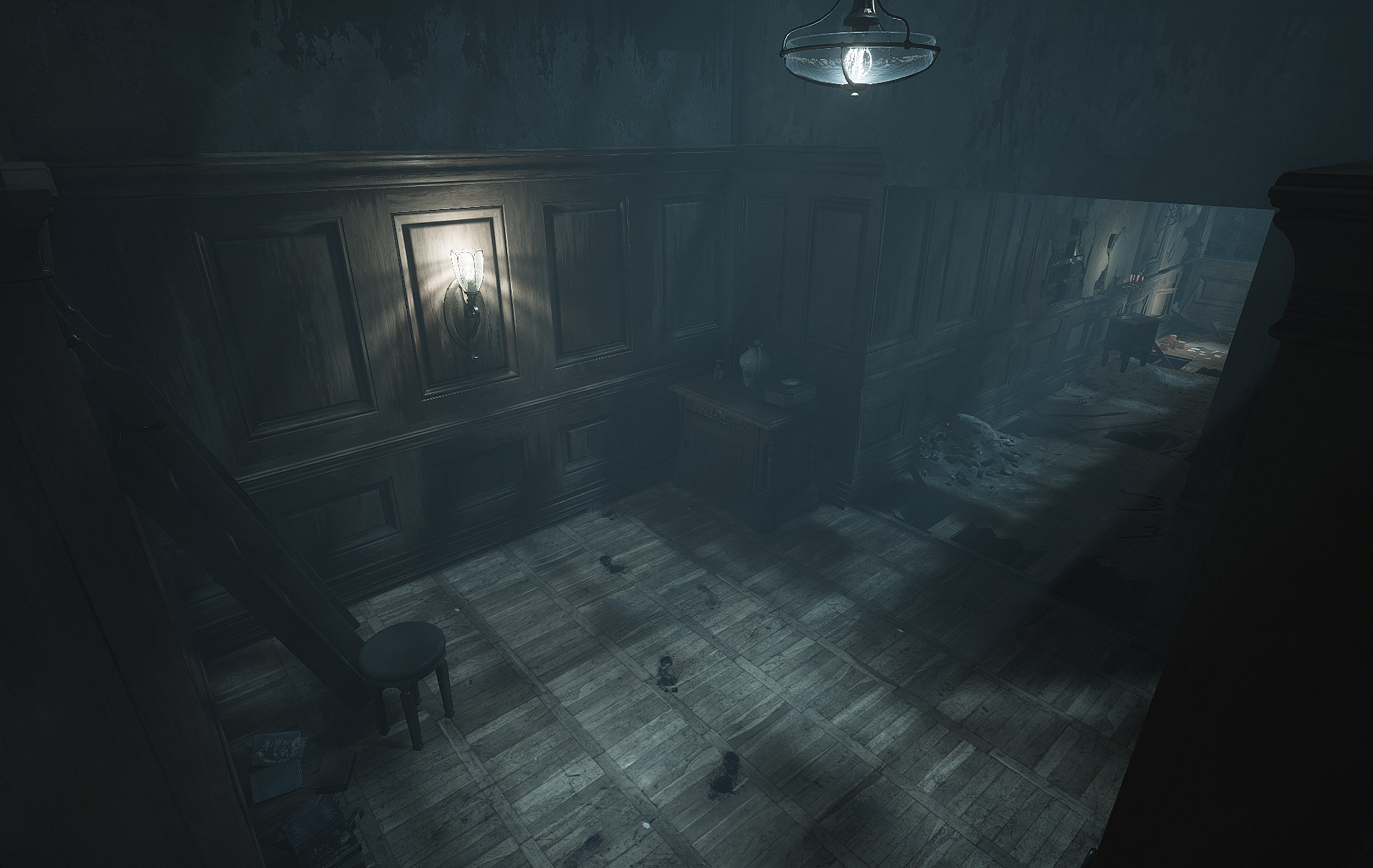
Jump scare setup using the Wife’s shadow silhouette, plus a setup for a room that collapses after you leave—right behind the player.
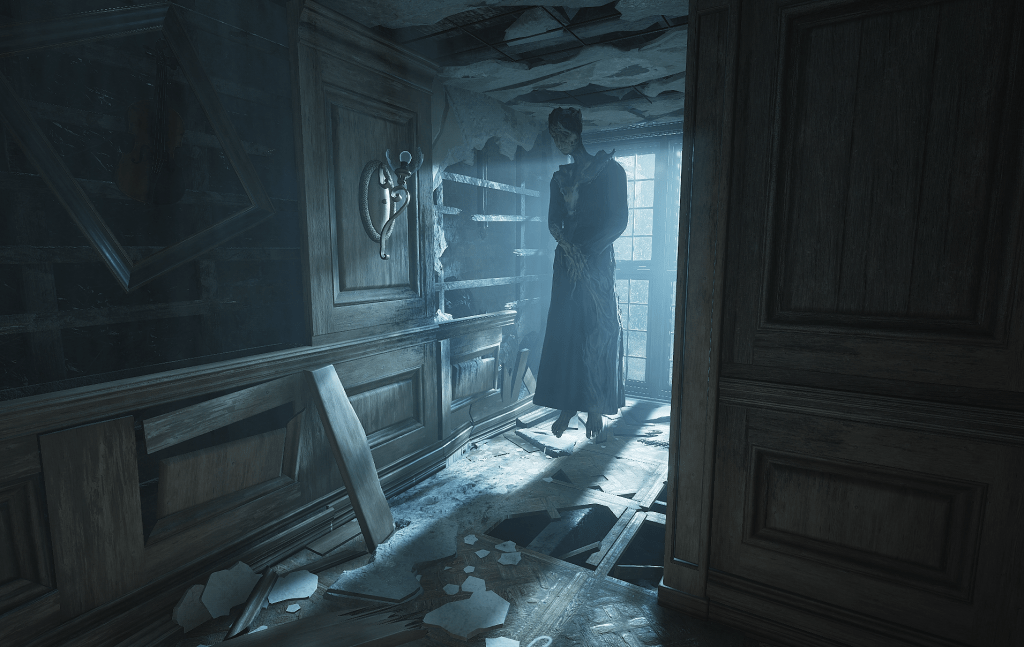
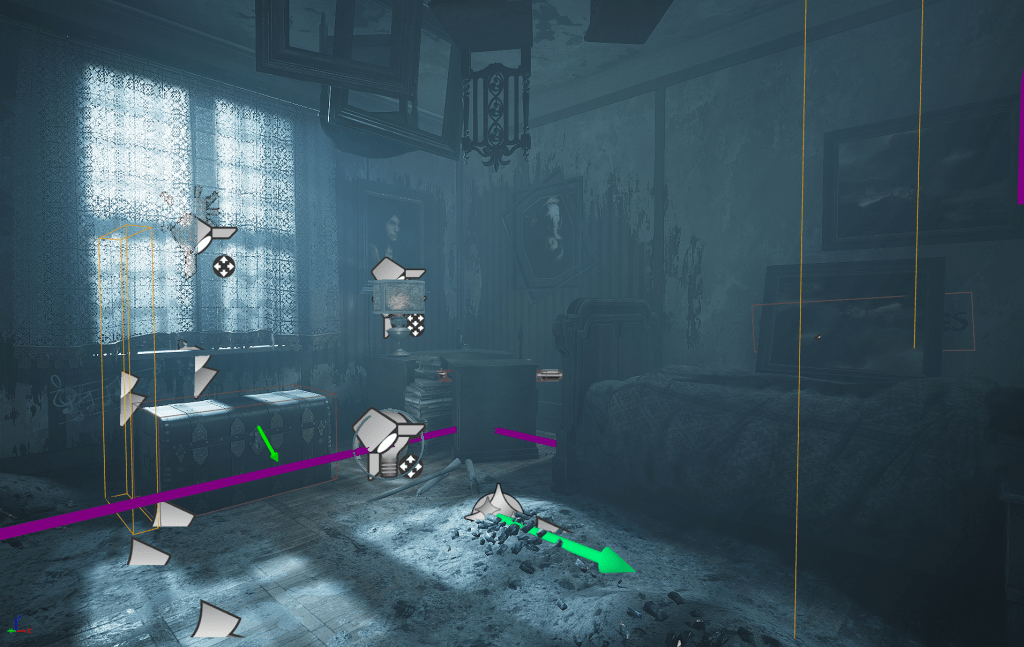
The well-known piano event from the original, later seen from the opposite side with the Wife in the background.
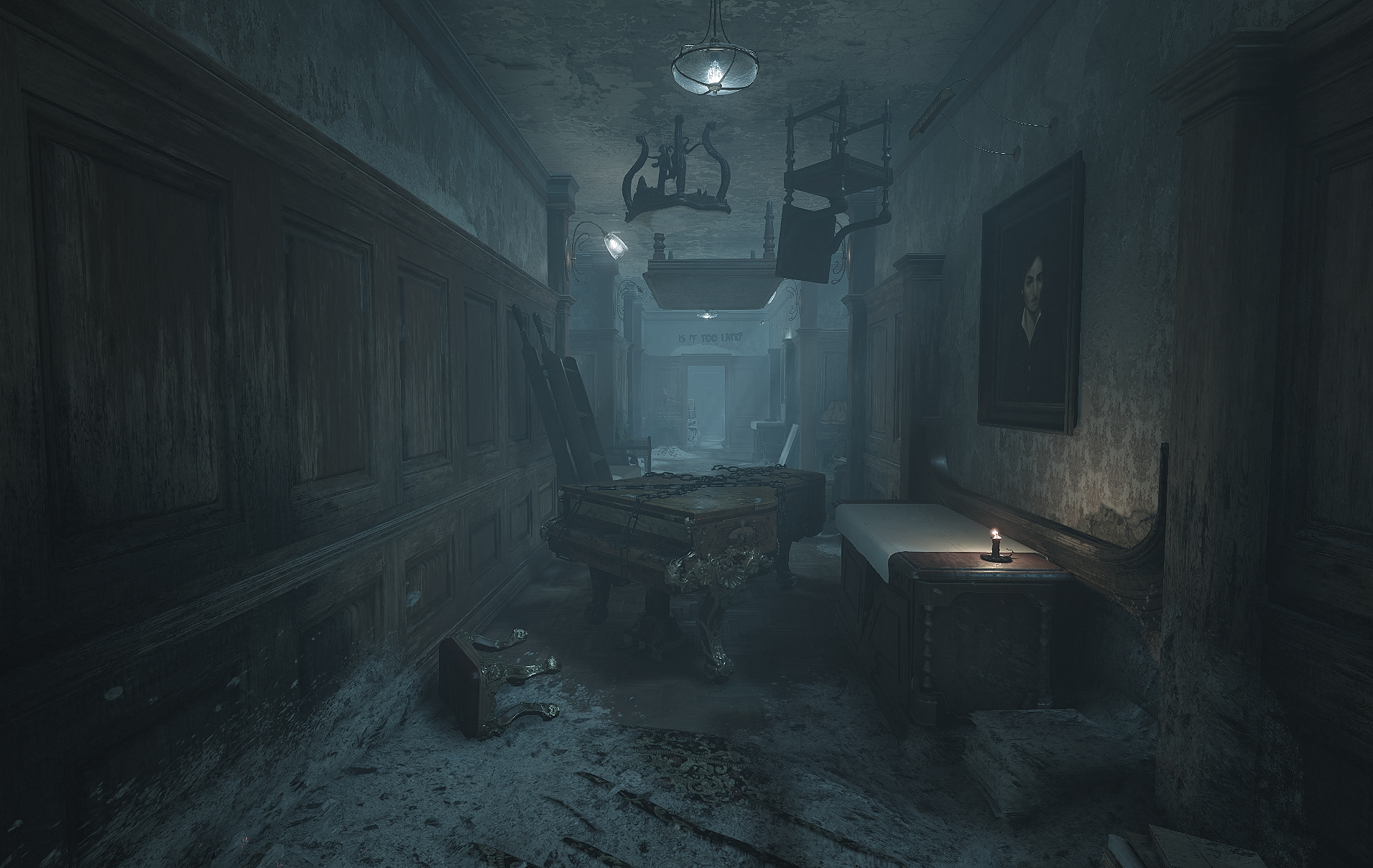
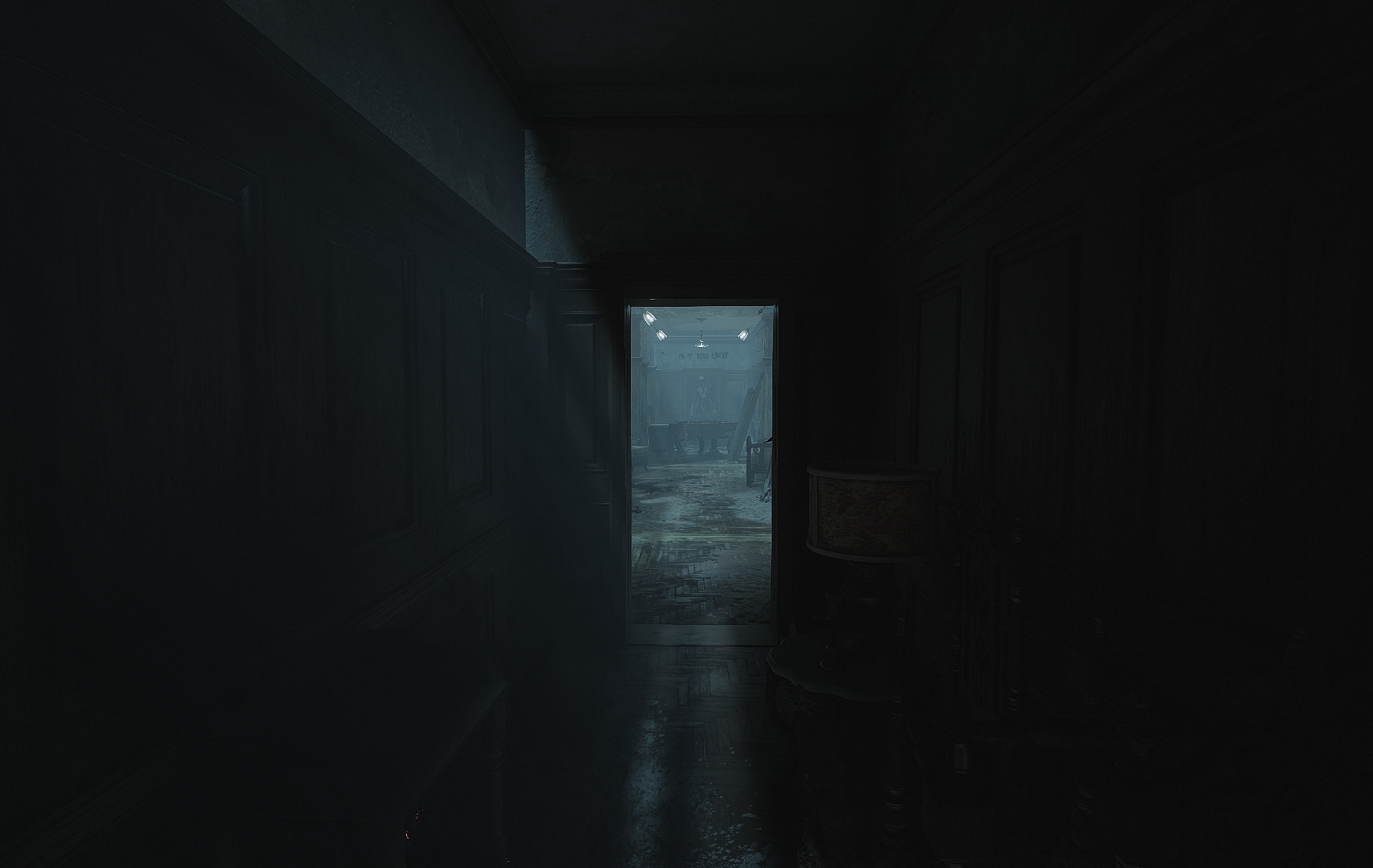
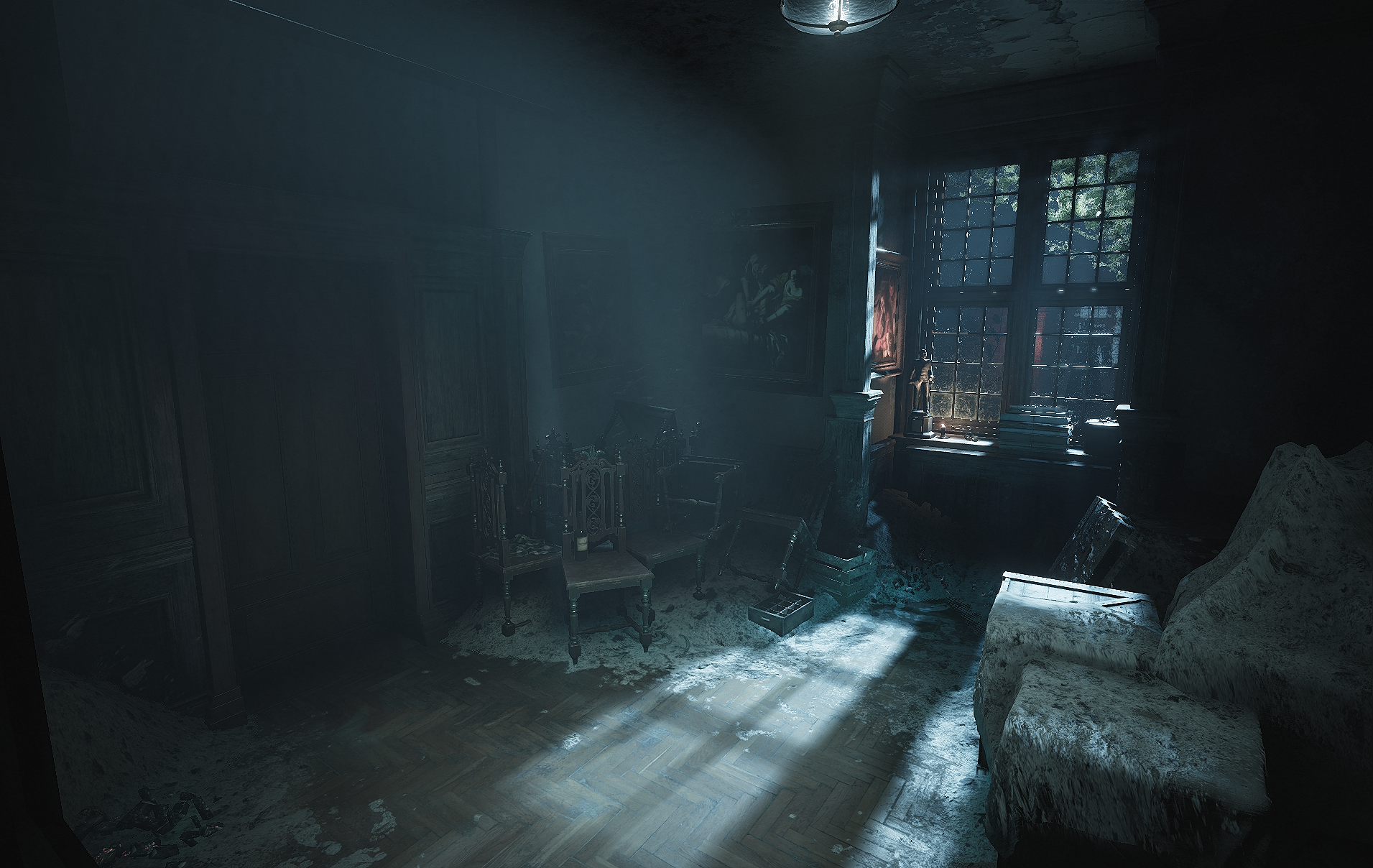
Jump scare setups – the Wife behind the window disappears as you approach, and when you turn around, you see her moving into the next room, foreshadowing the final “combat”.
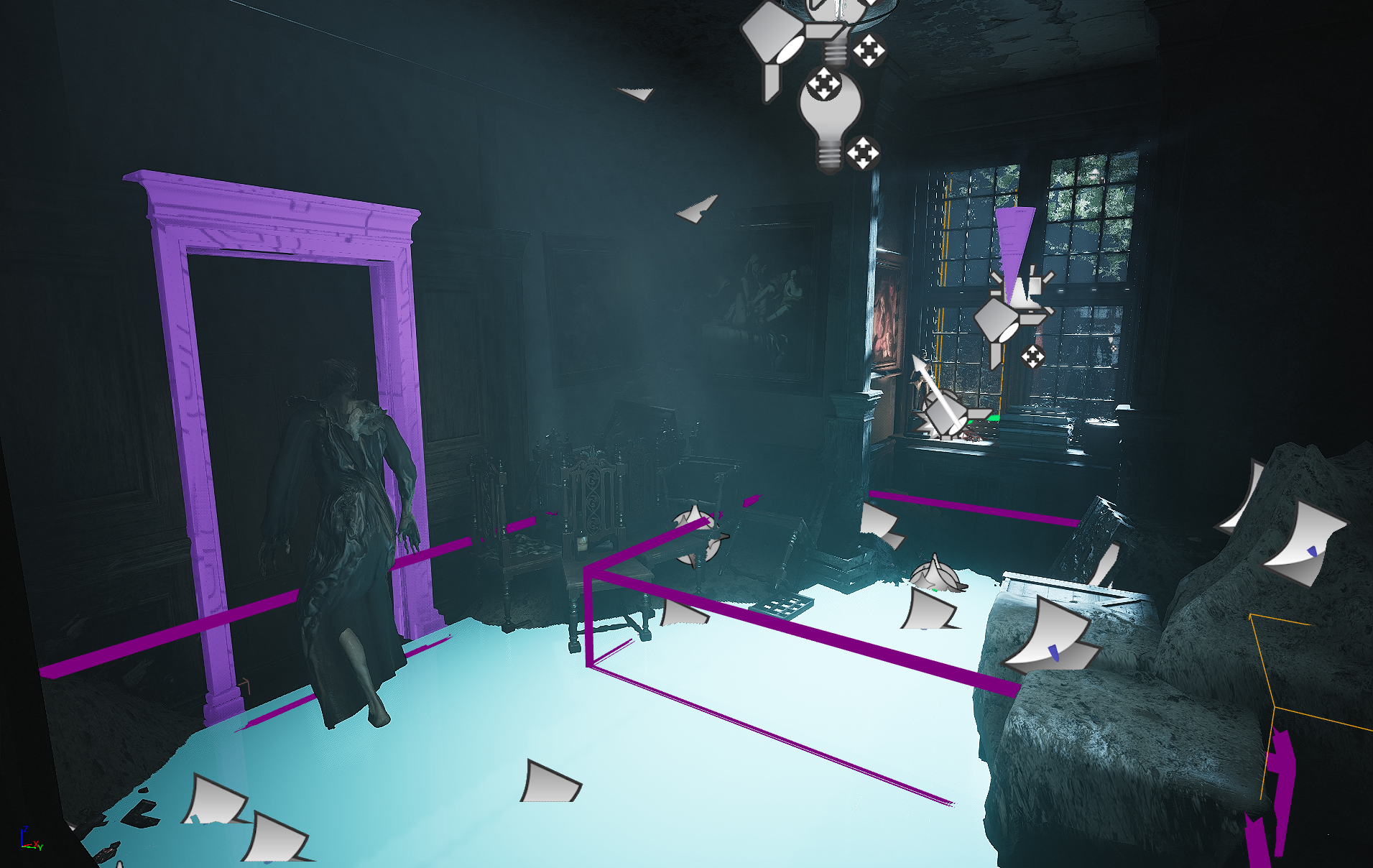
Chapter 2
Like Chapter 3, Chapter 2 already had its baseline and some events created. I handled the technical elements and the overall setup and mood pass. One of the technical elements that required iteration was a looping corridor, which needed proper setup to run smoothly.
This setup was fairly complex – an event where players enter a room, the room shifts, there’s a flash of lightning, they glimpse the Wife, and then they return to the original space. It required a fair amount of technical sleight of hand to run smoothly.
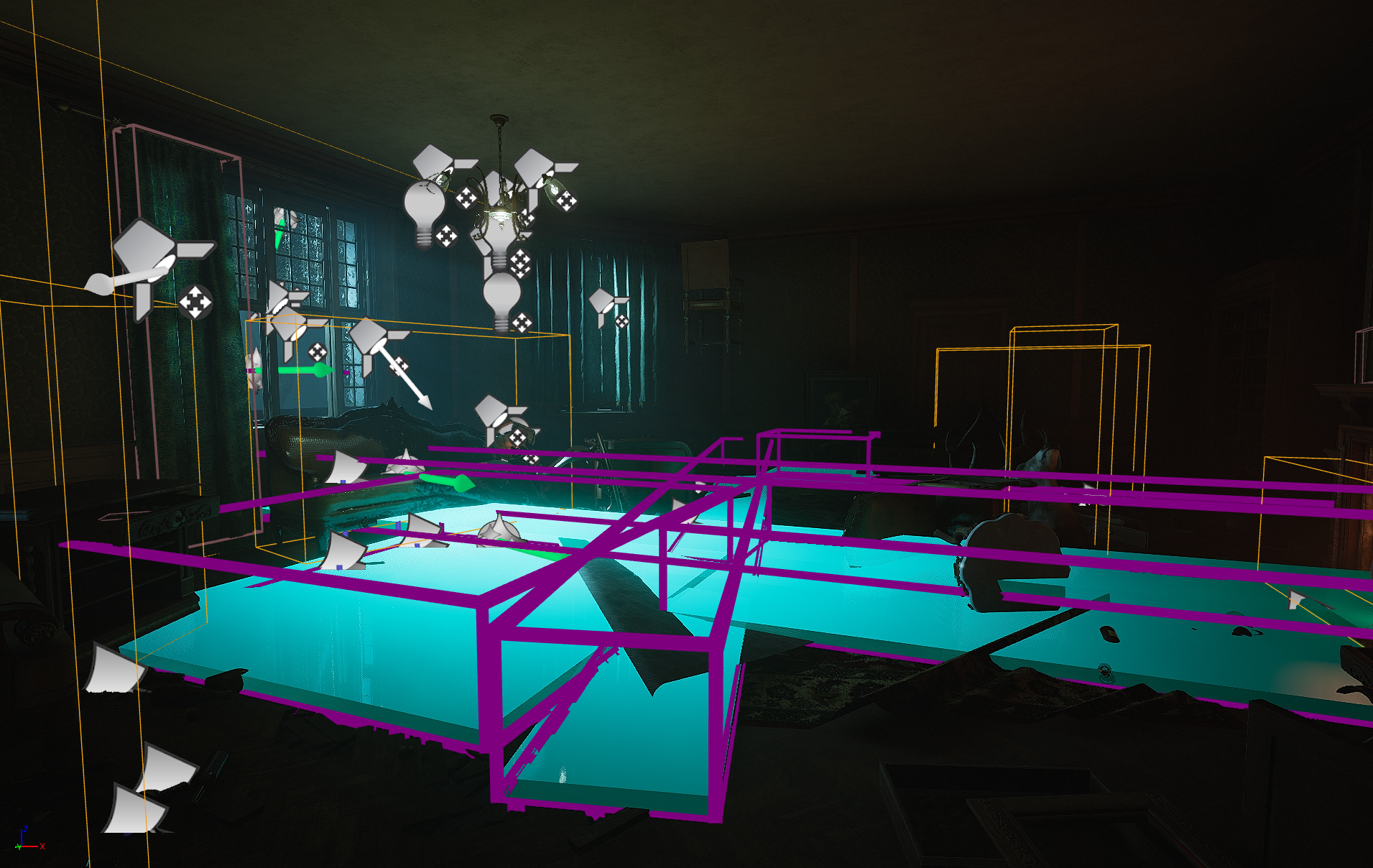
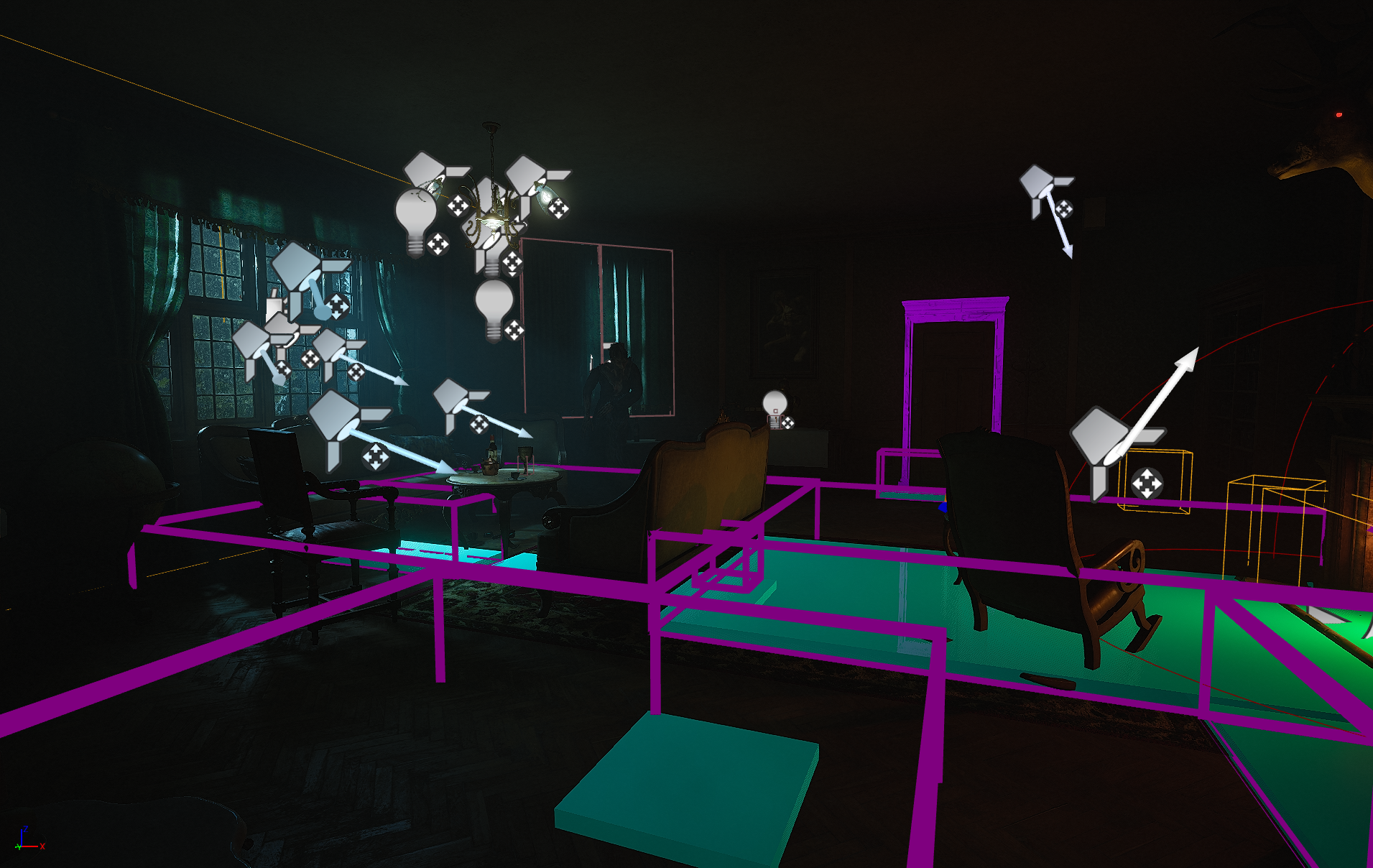
The room was duplicated in two locations; beats like an explosion behind the player and a destroyed version of the room after the animation were designed to surprise players and create a mind-bending effect.
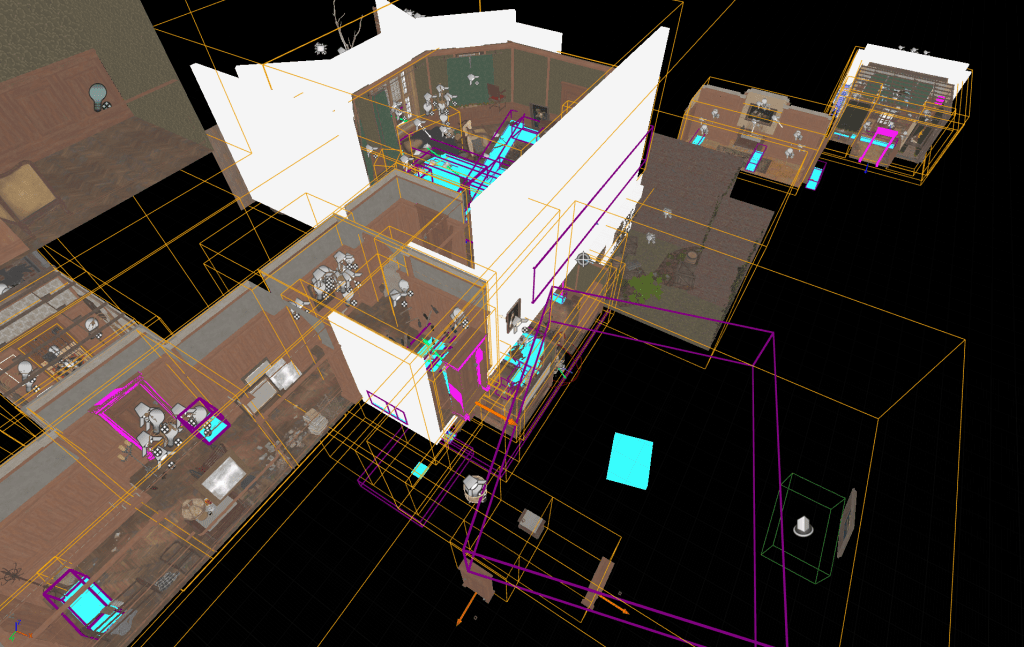
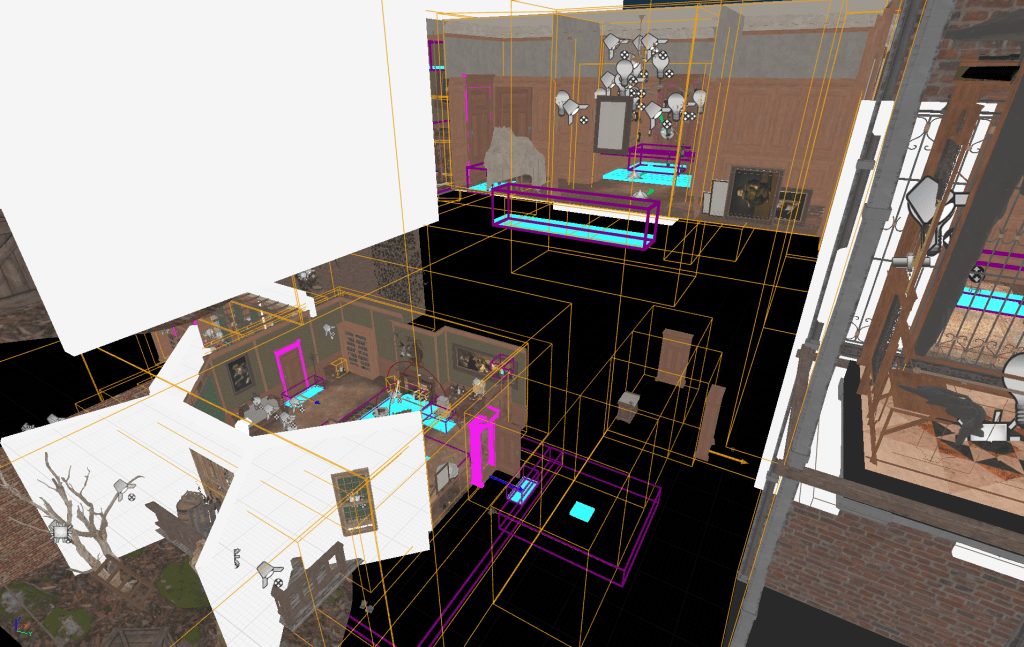
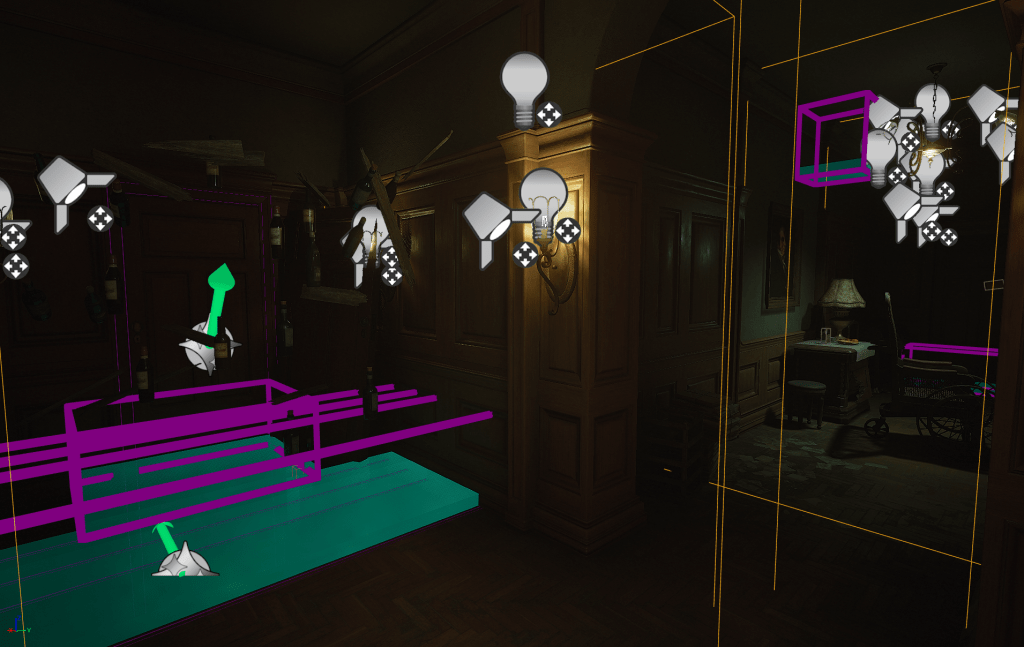
An elevator scene that we later mirrored nicely in The Last Note DLC.
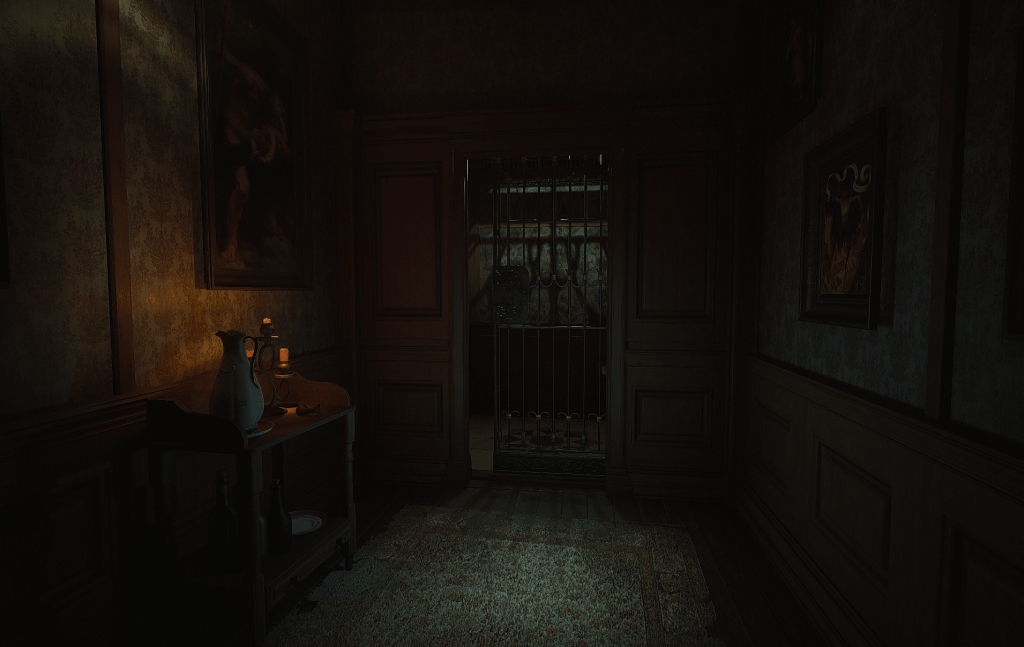
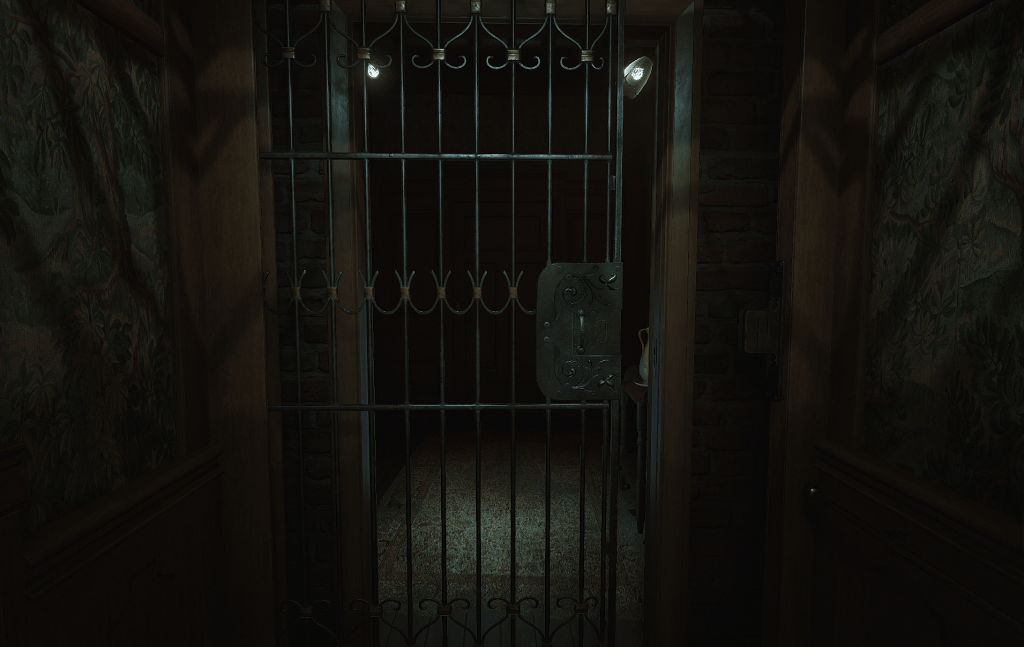
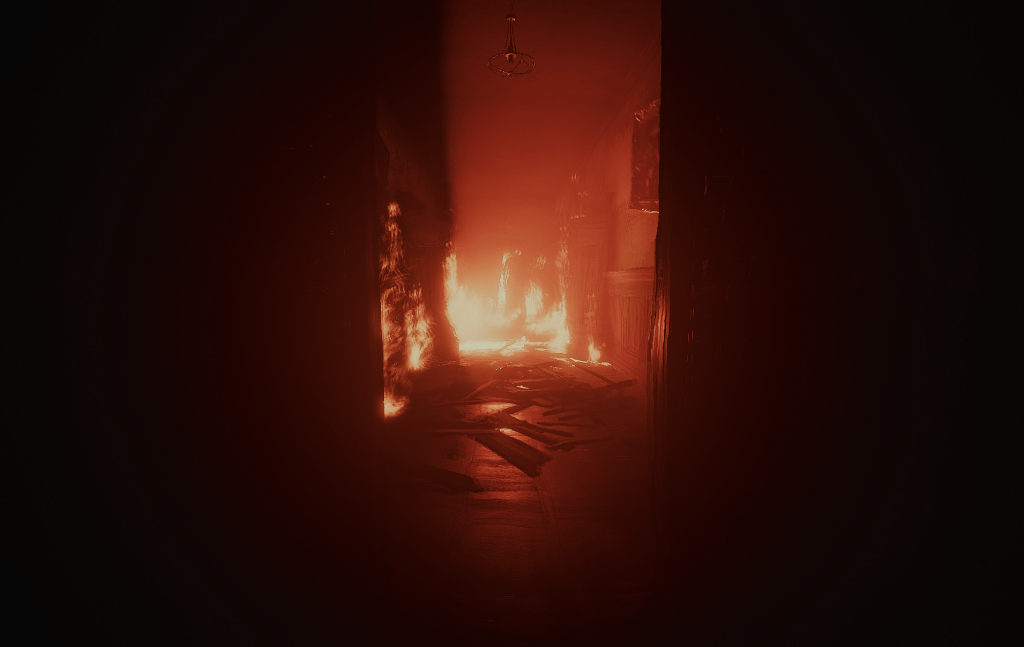
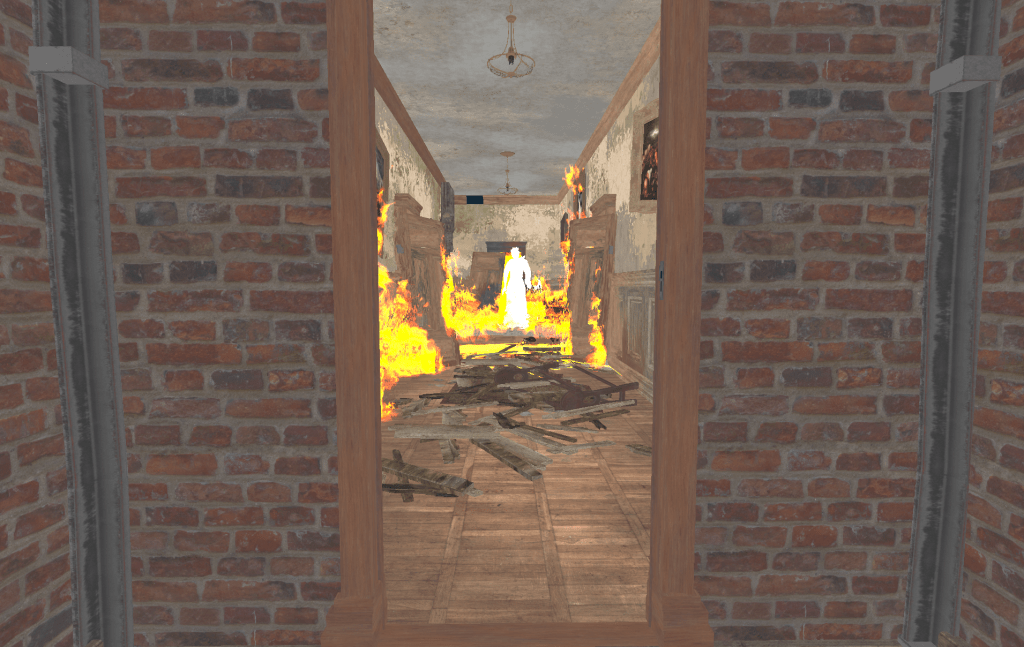
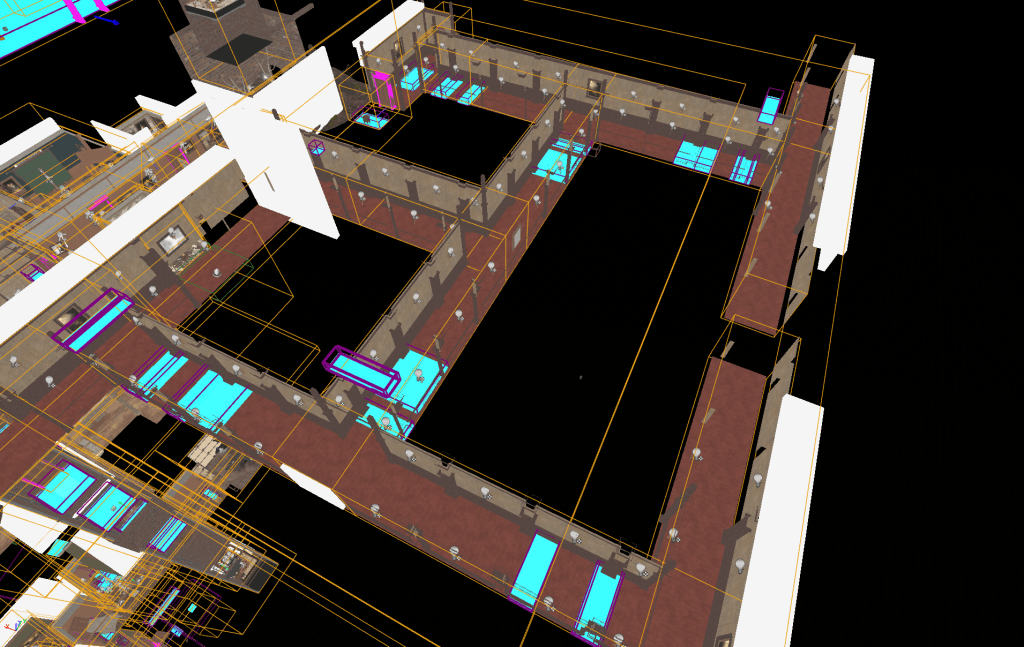
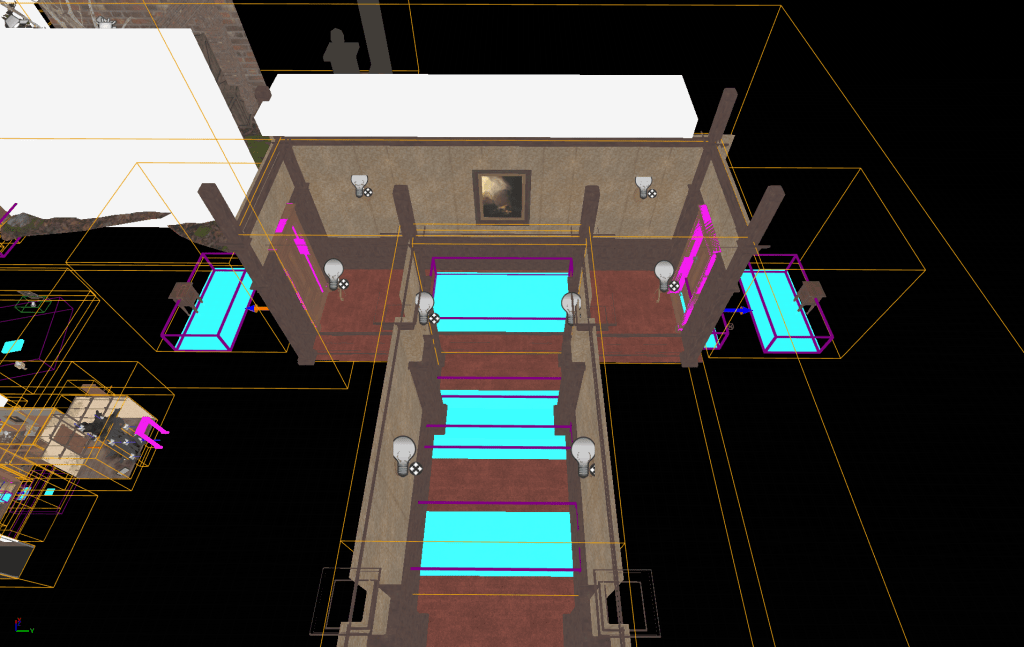
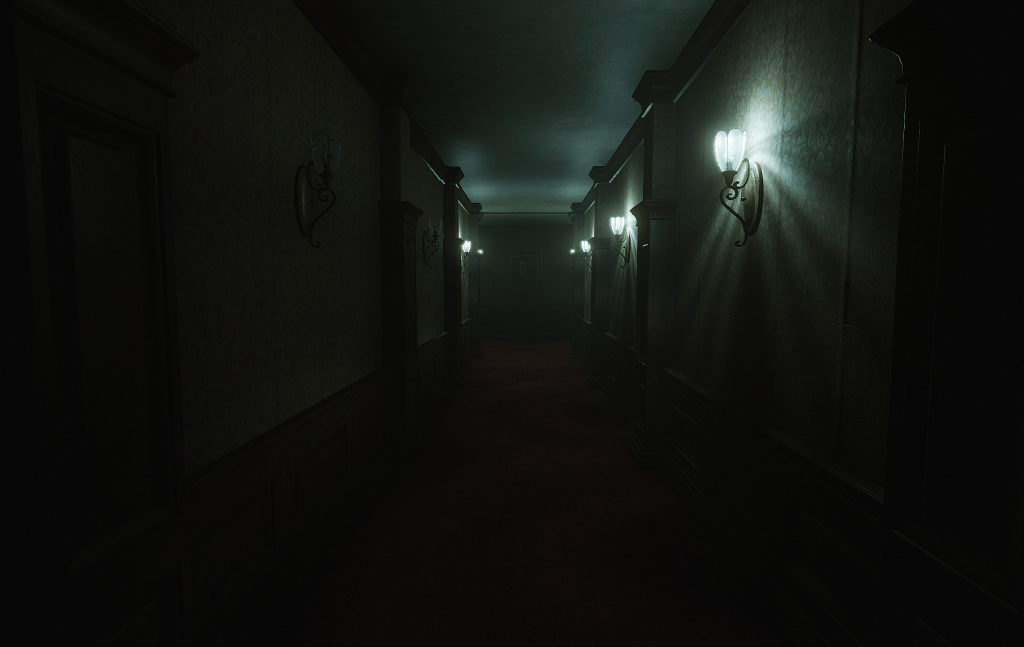
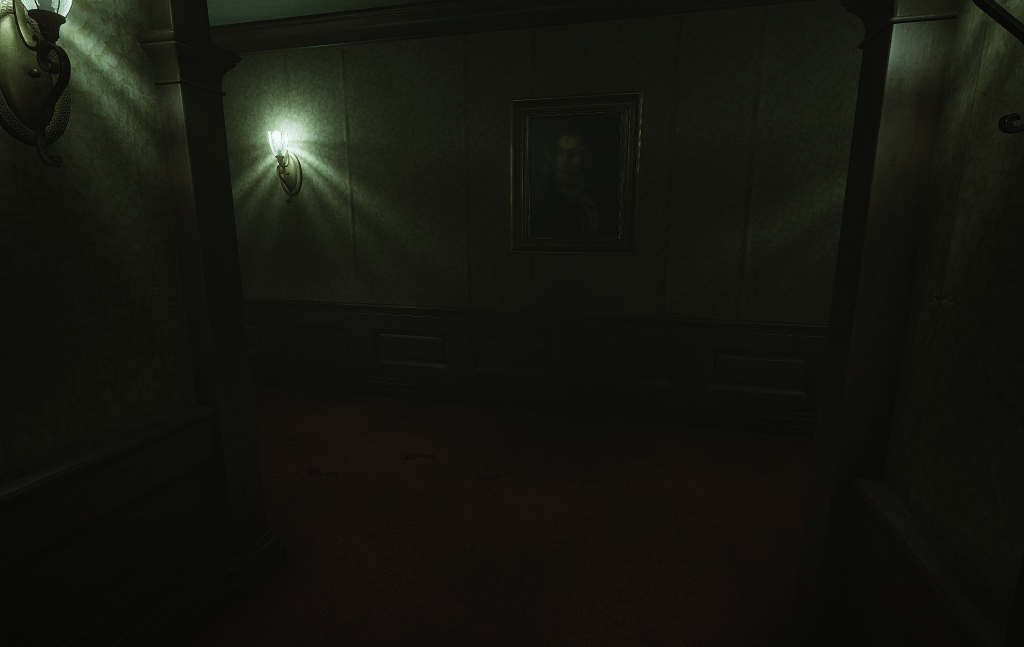
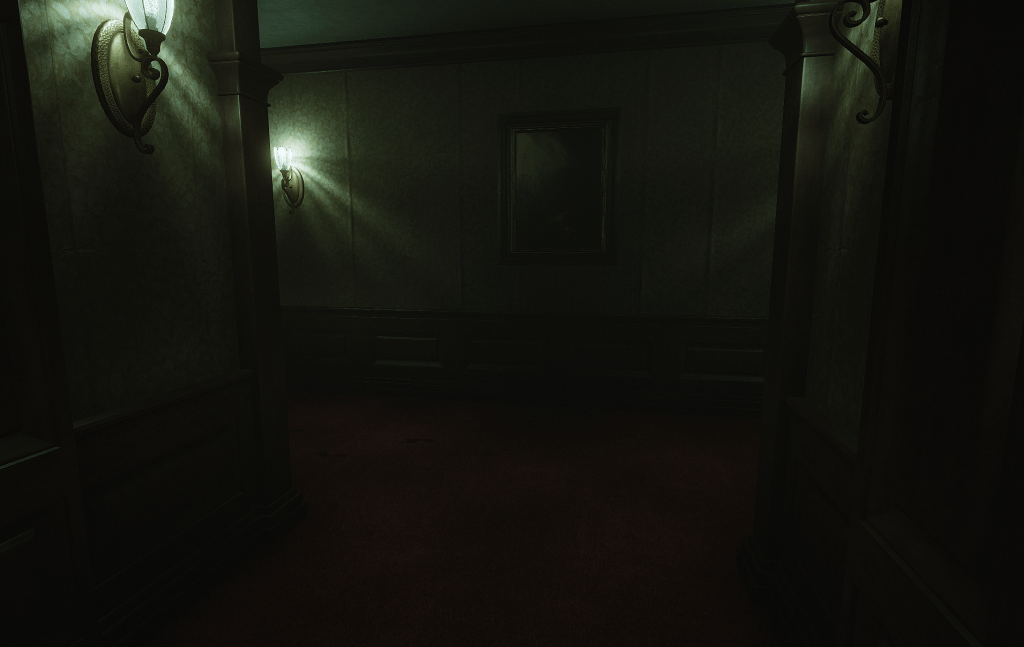
An example of a looped corridor where players choose whether to follow the Wife’s footsteps or take an alternate path. Each loop darkens the space, lights begin to flicker, and it culminates in a hallway reveal with artifacts tied to the Painter or the Wife, depending on the chosen loop.

Chapter 4
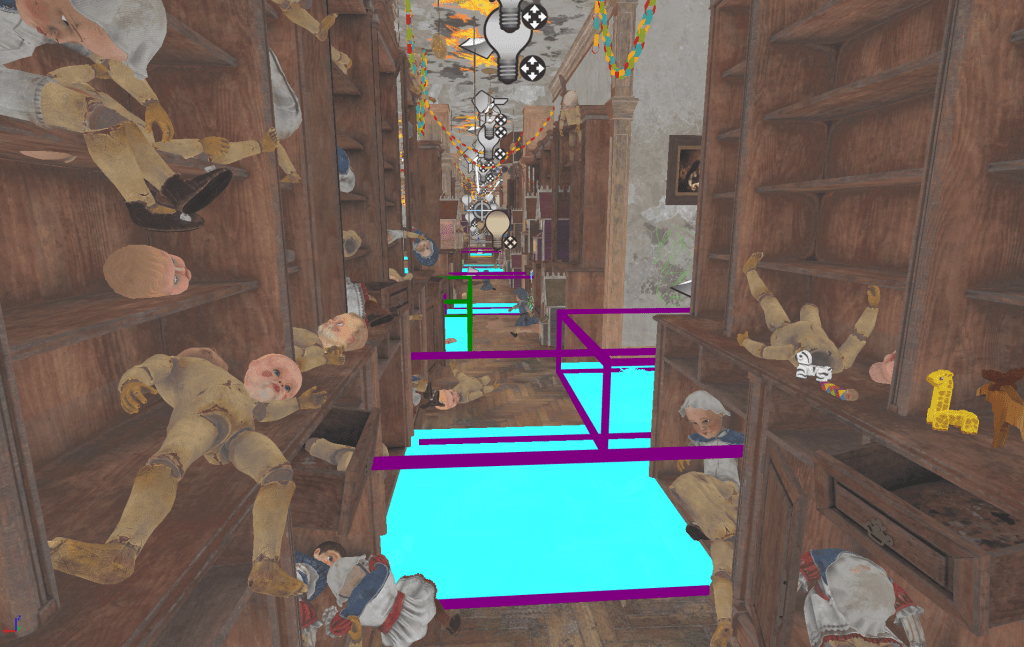
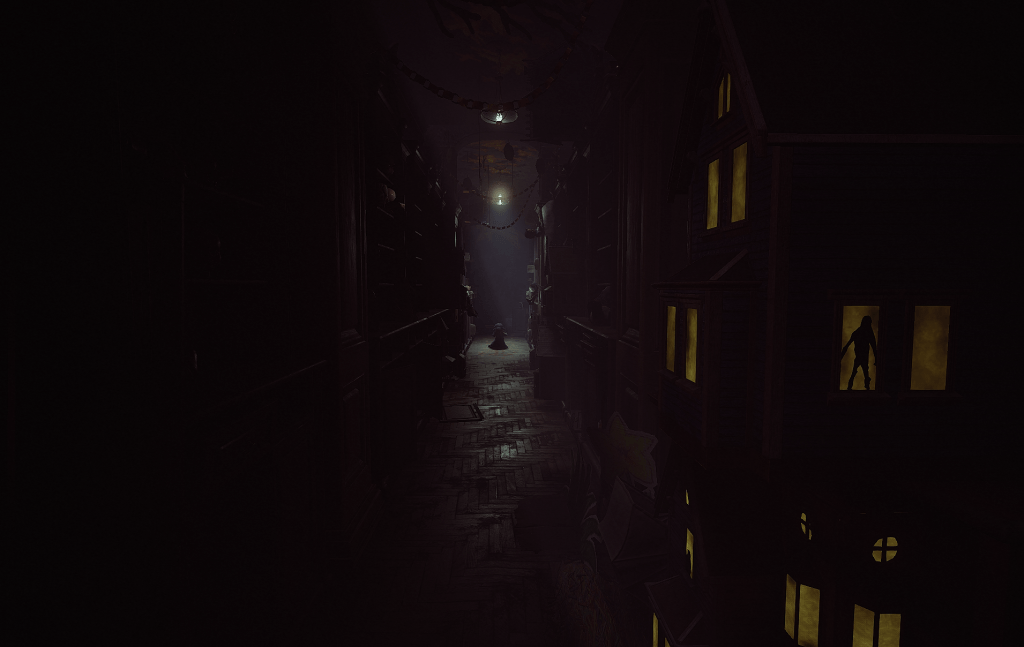
The baseline was set by Adam Szubert. My part was expanding the doll‑related events, the technical setup, and technically iterating a looped corridor with a running doll to make it clearer for the player and at the same time optimized.
Another looped corridor featuring a player choice. Here, players pick a side marked by child/family-related artifacts or by Painter artifacts. The chosen direction is reinforced by the appearance of an increasing number of artifacts tied to that path.
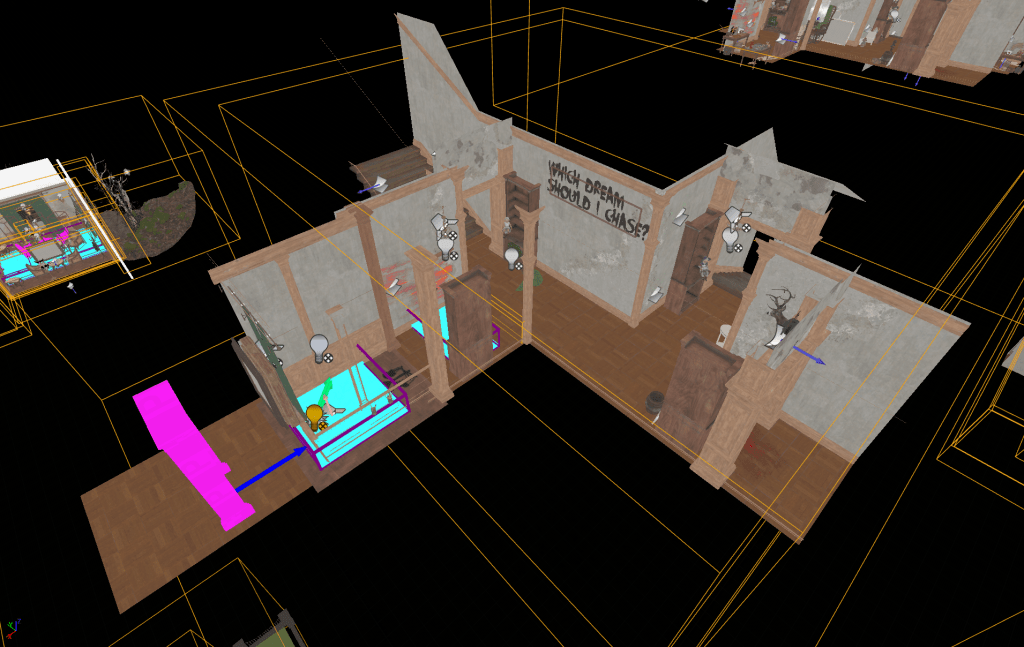
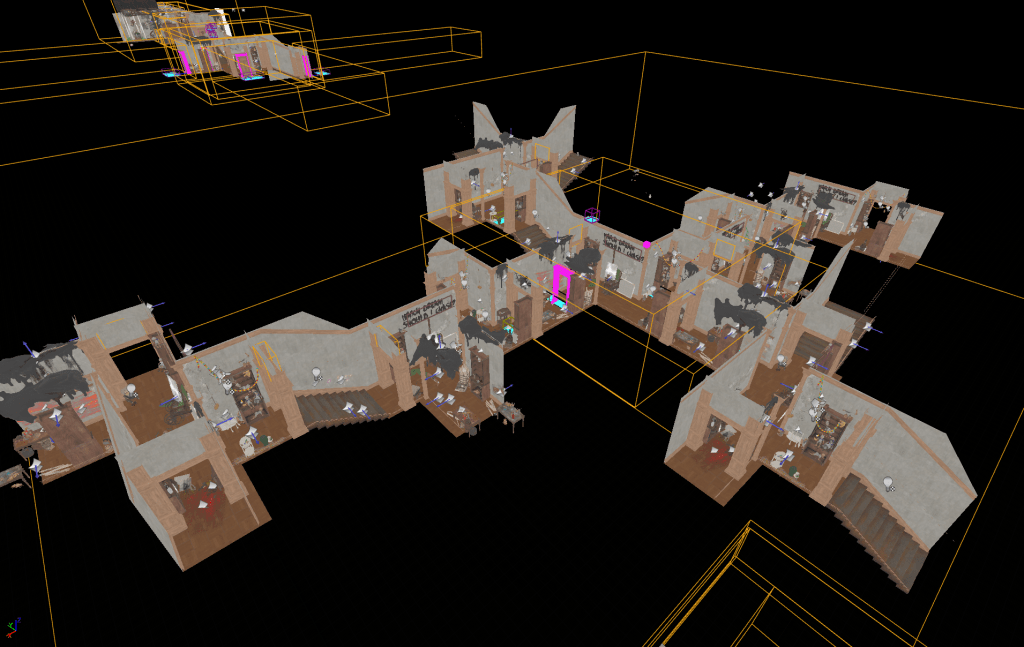
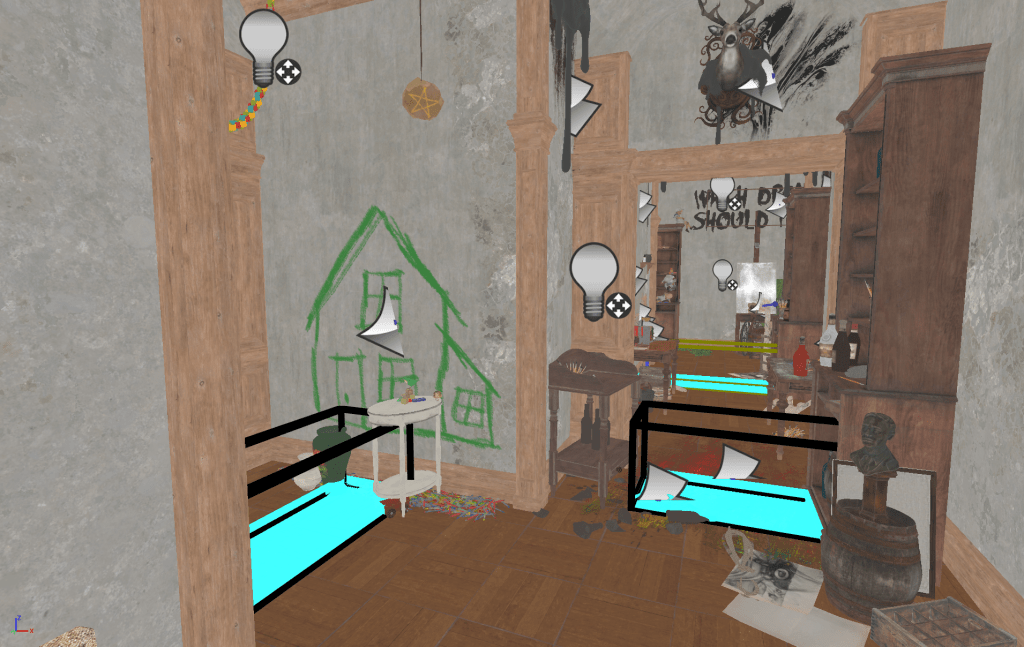
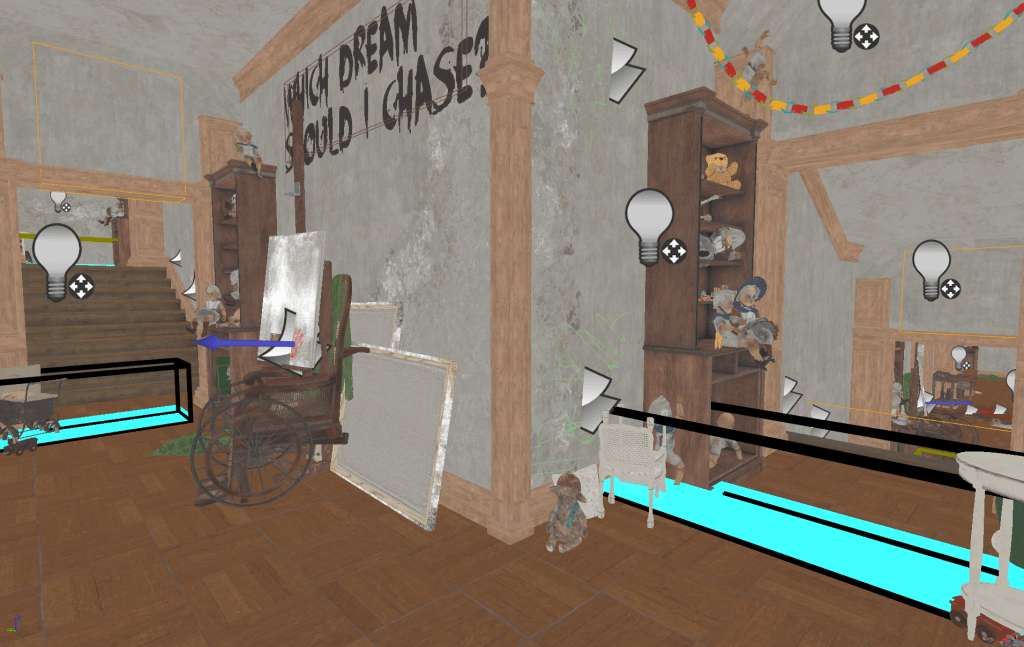
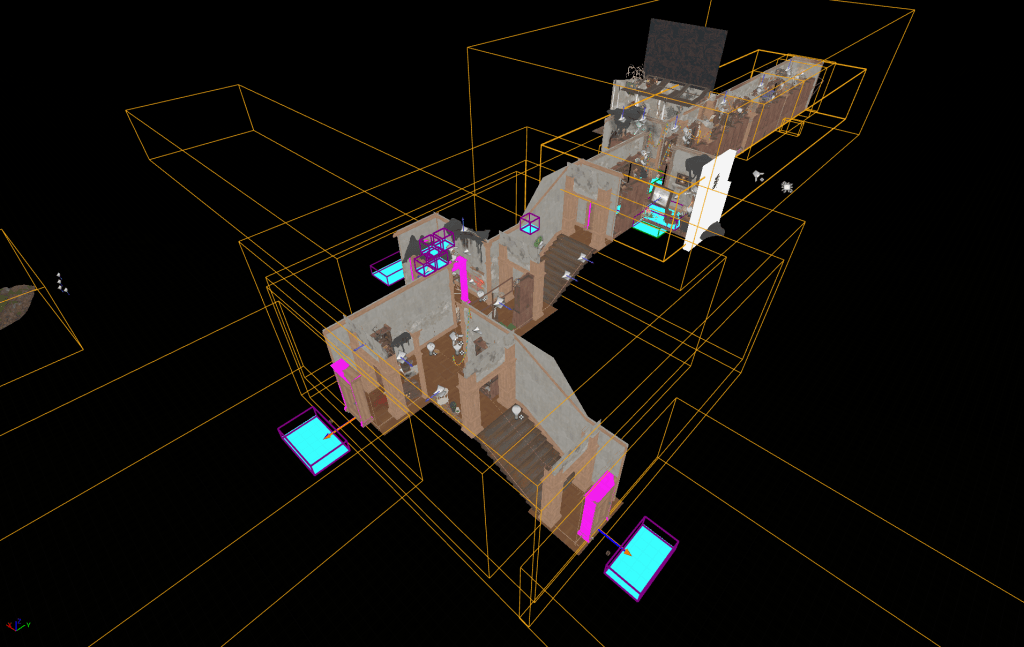
This is the mid-peak event of Chapter 4, featuring beats like a falling doll head, a doll running across the corridor, and a flickering model in the dark. A crying doll lures the player; as you approach, it vanishes, and from behind you hear the sounds of a larger doll assembling, culminating in a jump scare as the doll lunges at the player.
 Pawel Pruszynski